News Simplified – March 28, 2026
Big crypto headlines explained in simple words (no complicated jargon) 👇
The crypto market feels heavy right now. Prices are down, many people are worried, and headlines are flying everywhere. Today, I’m breaking down the biggest stories from the past week into plain English — like explaining to a friend over coffee. No technical terms, no hype, just the real picture.
1. Market Stuck in Extreme Fear
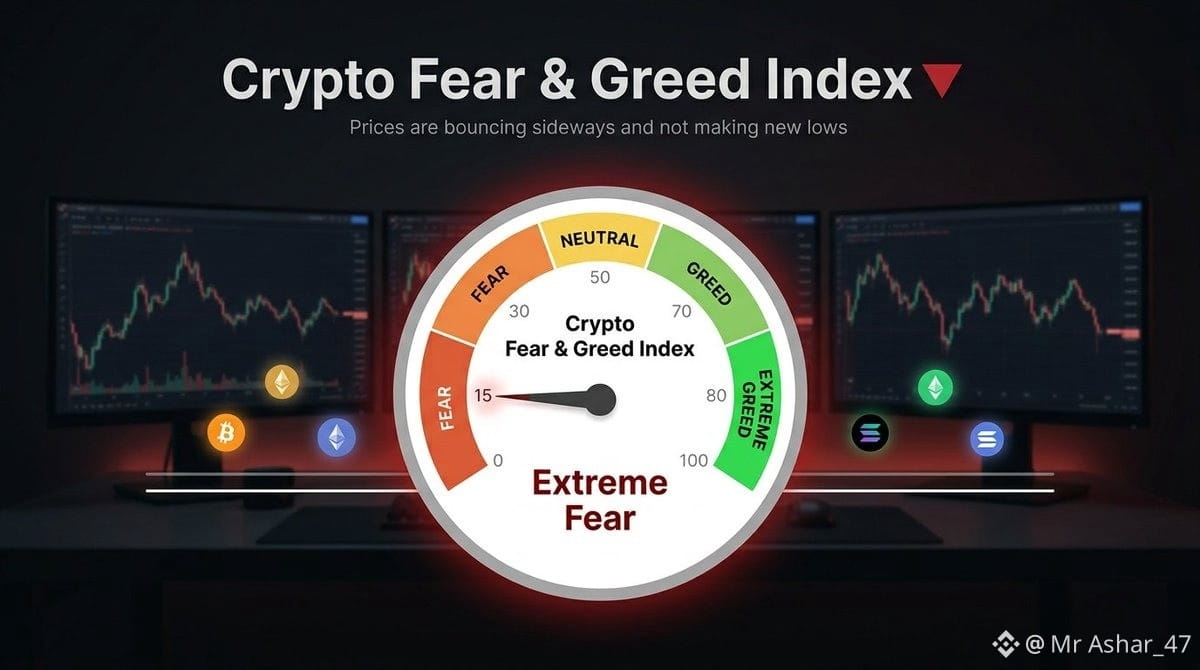
The Fear & Greed Index is sitting at 12–13. This is deep in the “Extreme Fear” zone.
Simple meaning: Most traders are scared. They’re selling their coins because they expect prices to drop even more. Everyone feels uncertain, and the mood is gloomy.
Think of it like this: When the whole market is terrified, people panic-sell, which pushes prices lower. It’s a self-fulfilling cycle for a while.
What it usually means: History shows that when fear gets this extreme, it often creates the conditions for a short-term bounce or recovery. Too many people selling at once can mean the worst selling pressure is almost over. But volatility stays high — prices can still swing wildly up or down in the next days or weeks.
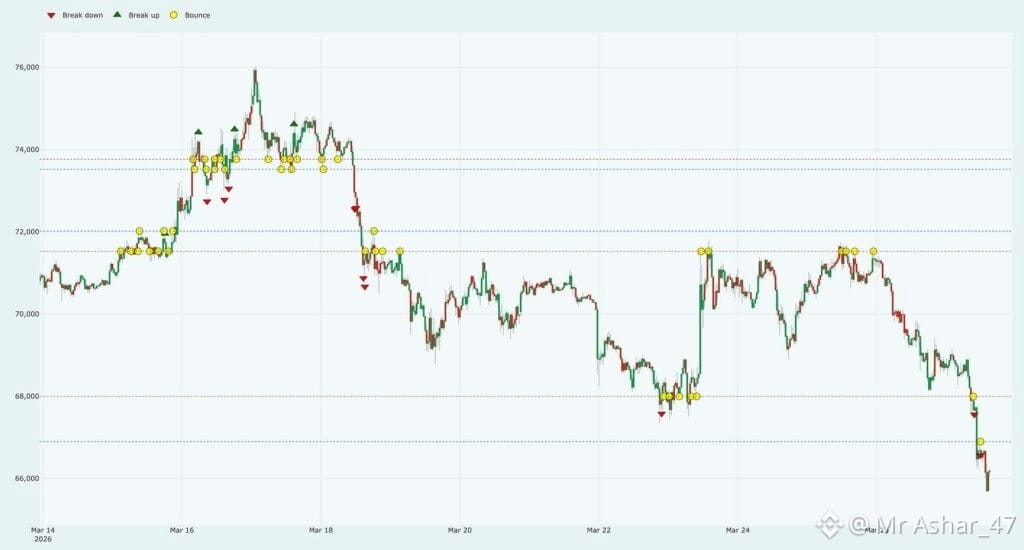
Right now, Bitcoin (BTC) is hovering around $66,000 – $67,000 after recent drops. It’s not crashing through the floor, but it’s not rallying either. Many see this as a consolidation phase where the market is catching its breath.
In short: Extreme fear is uncomfortable, but it has often been a signal that better days could be coming — if you stay patient and don’t make emotional decisions.
2. Bitcoin & Big Coins Are Down
This week, Bitcoin fell toward the $66,000 level. Ethereum (ETH) is trading near $2,000, Solana (SOL) is around $83–$90, and many other coins followed the same downward path, dropping 5-8% or more in some cases.
Why is this happening? Here are the main reasons in simple terms:
Profit-taking after earlier rallies: Some investors who bought earlier when prices were higher decided to cash out and lock in gains. When a lot of people do this at once, it creates selling pressure.
Geopolitical worries and broader market pressure: News from around the world (tensions between countries, economic uncertainty) makes investors nervous about risky assets like crypto. When traditional stock markets also dip, crypto often moves with them.
Big options expiries and ETF outflows: Large batches of options contracts (agreements to buy or sell at certain prices) expired this week, which can cause extra buying or selling. At the same time, some money flowed out of Bitcoin and Ethereum exchange-traded funds (ETFs), adding to the downward move.
Simple takeaway: Everything is moving together right now. When Bitcoin struggles, altcoins (smaller coins like ETH and SOL) usually drop harder because they’re seen as riskier. This correlation is common during uncertain times. It doesn’t mean the projects are bad — it just shows how the whole market reacts as one big group when fear rises.
If you’re holding, this is a reminder to check your risk level. Short-term dips like this have happened many times before, and markets have recovered from them.
3. Huge Regulatory Win for ETH, SOL & More
In a major development on March 17, the SEC (Securities and Exchange Commission) and CFTC (Commodity Futures Trading Commission) jointly ruled that Bitcoin, Ethereum, Solana, XRP, and 13 other major coins are officially classified as “digital commodities” — not securities.
The full list of 16 named digital commodities includes: Bitcoin (BTC), Ethereum (ETH), Solana (SOL), XRP, Dogecoin (DOGE), Cardano (ADA), Avalanche (AVAX), Chainlink (LINK), Polkadot (DOT), Hedera (HBAR), Litecoin (LTC), Bitcoin Cash (BCH), Shiba Inu (SHIB), Stellar (XLM), Tezos (XTZ), and Aptos (APT).
Simple meaning: This is like the government saying these coins are more like digital gold, oil, or wheat (commodities) than like company stocks or shares (securities). Commodities have lighter and clearer rules compared to securities, which come with very strict requirements.
Why this matters in everyday terms:
Less legal fear: Projects and companies no longer have to worry as much about sudden lawsuits or enforcement actions claiming their coin is an unregistered security. This reduces uncertainty.
Better for growth: Developers can build more freely. Users can stake, lend, or use these coins in DeFi (decentralized finance) and other apps with more confidence.
Long-term positive for Ethereum and Solana: These two networks power a huge part of decentralized apps, staking, and tokenization (turning real-world assets into digital tokens). Clearer rules make it easier for big institutions and everyday users to participate without worrying about breaking unknown laws.
Staking and yield become safer: The guidance also clarifies that certain staking and airdrops are not treated as securities transactions, which is good news for people earning rewards on their holdings.
This is one of the most important regulatory steps in years. It doesn’t fix everything overnight, but it removes a big cloud that has been hanging over the industry. Many see it as a foundation for healthier, more predictable growth in the future.
4. Binance in the Spotlight Again
Recent reports say Binance (the world’s largest crypto exchange) missed some red flags on accounts that moved around $1.7 billion linked to entities connected to Iran (possible sanctions issues).
Simple meaning: Investigators found that money flowed through certain accounts on Binance and eventually reached groups or businesses tied to Iran. U.S. sanctions rules make it illegal for American companies (and platforms serving global users) to do business with certain sanctioned countries or groups without proper checks.
The reports highlight that some clues were visible earlier — including transactions through intermediary companies — but weren’t fully blocked in time. Binance has responded by saying the funds didn’t all start or end on their platform, that they have reduced exposure to risky areas significantly, and that they take compliance seriously.
Why you should care:
Exchanges handle billions of dollars every day. Governments watch them closely to prevent misuse for illegal activities, money laundering, or bypassing sanctions.
This story reminds everyone that even the biggest platforms face ongoing pressure to improve their monitoring systems.
Practical advice: Always use trusted, well-regulated platforms. Enable security features like 2FA, be careful with large transfers, and understand the rules in your own country. Compliance issues can lead to fines, restrictions, or loss of trust.
Binance remains a major player, but stories like this show the industry is still maturing when it comes to following global financial rules.
5. Ripple CEO Speaks Out
Brad Garlinghouse, the CEO of Ripple (the company behind XRP), recently warned against “weaponizing” crypto rules. He hopes for better, clearer policies ahead instead of heavy-handed enforcement.
Simple meaning: He is saying regulators should not use rules as a weapon to attack or slow down the crypto industry. Instead of constant fights and surprise actions, we need fair, predictable laws that let innovation grow.
He specifically mentioned avoiding “another Gary Gensler moment” — referring to the previous SEC chair’s strict approach that created a lot of legal battles. Garlinghouse noted that Ripple’s business continues to grow even in volatile times, but the industry would benefit from stable regulations like the proposed CLARITY Act in Congress.
Why this matters: Industry leaders speaking up pushes for balance. Clear rules help everyone — from small users to big companies — plan ahead without constant fear of changing enforcement. It supports long-term building rather than short-term survival mode.
Bottom Line (Super Simple)
The crypto market is currently in a scary correction phase. Prices are lower, fear is high, and short-term moves feel painful. However, a big piece of good news is quietly arriving: clearer regulatory rules that treat major coins as commodities instead of risky securities. This removes uncertainty and opens the door for healthier growth in DeFi, staking, tokenization, and adoption.
It’s the classic mix of short-term pain and potential long-term gain. Markets have gone through similar fear cycles many times — some turned into great buying opportunities for patient holders, while others took longer to recover.
Quick Tip for Right Now:
Stay patient and avoid emotional decisions.
Use small position sizes if you’re trading.
Watch Bitcoin support levels closely — they often decide the direction for the whole market.
Remember: Extreme fear has created opportunities before. Focus on risk management and only invest what you can afford to lose.
The road ahead may still have bumps, but clearer rules are a quiet positive sign that the industry is maturing.
Which news caught your attention the most — the extreme fear, the regulatory win, or something else? Want me to simplify another headline, explain a specific coin, or break down how this affects your portfolio? Drop your questions or thoughts in the comments below 👇
I’ll keep these “Simplified” posts coming with straightforward explanations. Stay informed, stay safe, and trade (or hold) responsibly.
#CryptoNews #BTC #ETH #Solana #XRP #Regulation #BinanceSquare #FearAndGreed