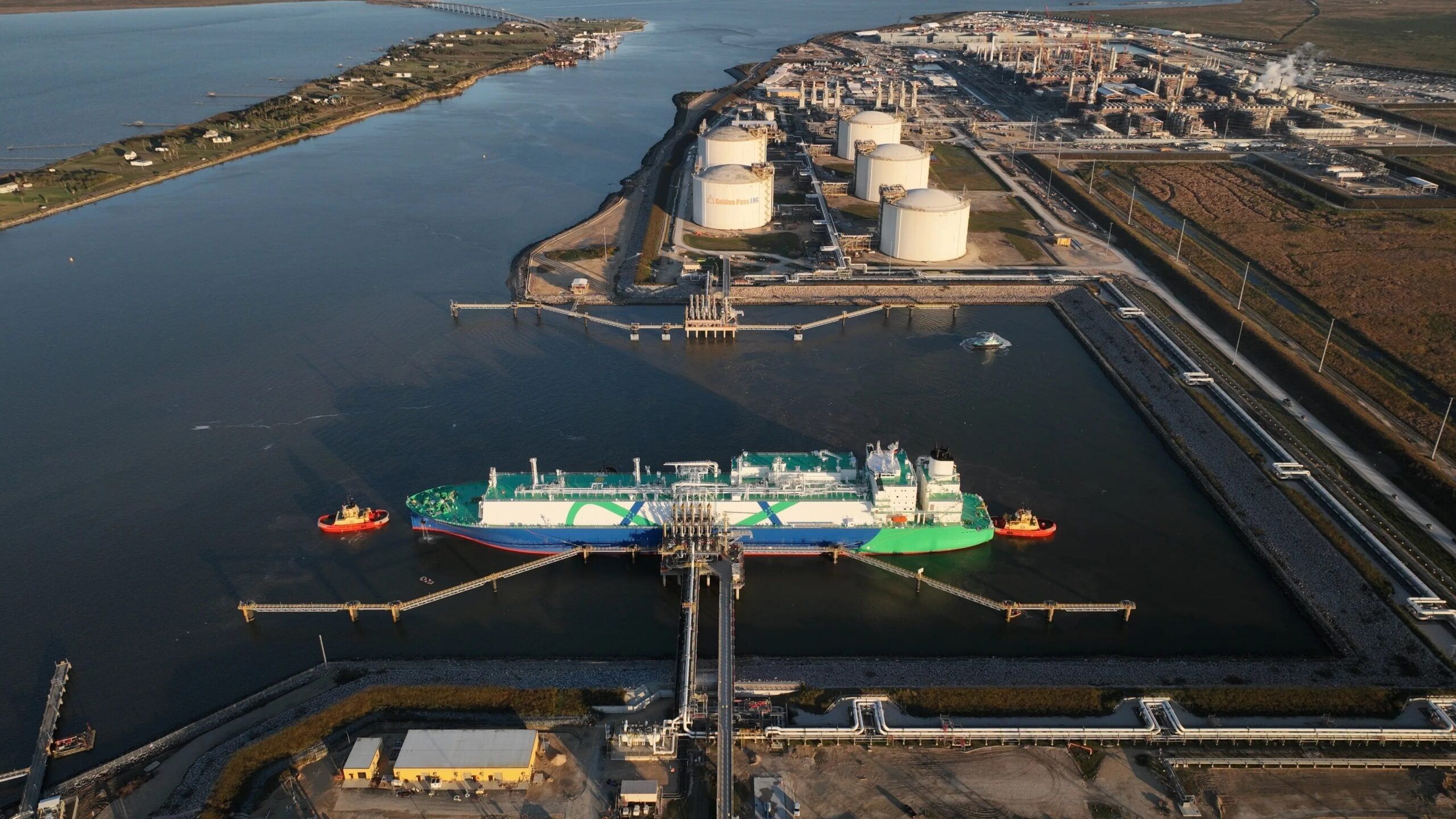
The energy landscape is changing fast, and the United States has officially stepped up to fill a massive gap in the global market. In March, U.S. exports of Liquefied Natural Gas (LNG) surged to an all-time high, reaching a staggering 11.7 million metric tons. This boom comes at a critical time as conflict in the Middle East continues to disrupt traditional supply chains, forcing countries to look for more reliable energy partners.
Why the sudden surge?
The ongoing war in the Middle East has taken nearly 20% of the world’s LNG supply offline. A major blow came when QatarEnergy had to halt production after an Iranian strike damaged its facilities—an outage that could affect the market for the next five years. With the Strait of Hormuz becoming a risky route for cargo, buyers who once relied on Middle Eastern gas are now turning their eyes toward American shores to keep the lights on.
Asia and Europe compete for supply
While Europe remains the biggest buyer of U.S. gas, taking about 64% of total exports, Asia is catching up quickly. In fact, shipments to Asia more than doubled in March as prices there spiked. Everyone is looking for a piece of the pie, and with new U.S. facilities like the Golden Pass project ramping up production, America is proving it has the capacity to be the world's leading exporter.
What this means for the future
The U.S. is now firmly positioned as the world’s energy "safety net." Even with plants running above their normal capacity, top exporters are working overtime to meet this global demand. As more production units start up in the coming months, these record-breaking numbers might become the new normal. For now, the U.S. is not just exporting fuel; it’s exporting stability to a world that desperately needs it.
#ADPJobsSurge #DriftProtocolExploited #OilRisesAbove$116 #ADPJobsSurge #USNoKingsProtests $GUN $STO $GUA