
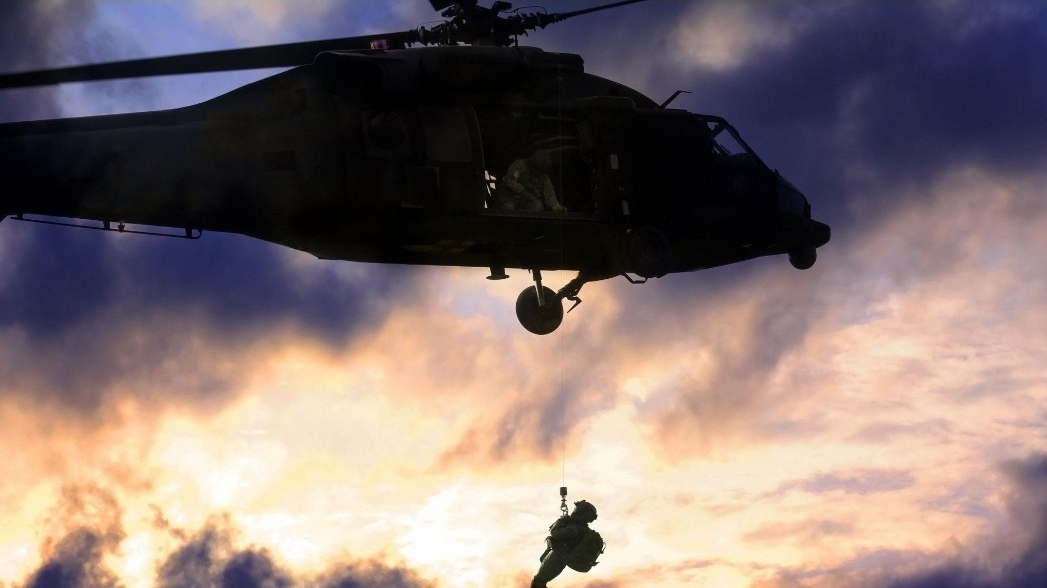

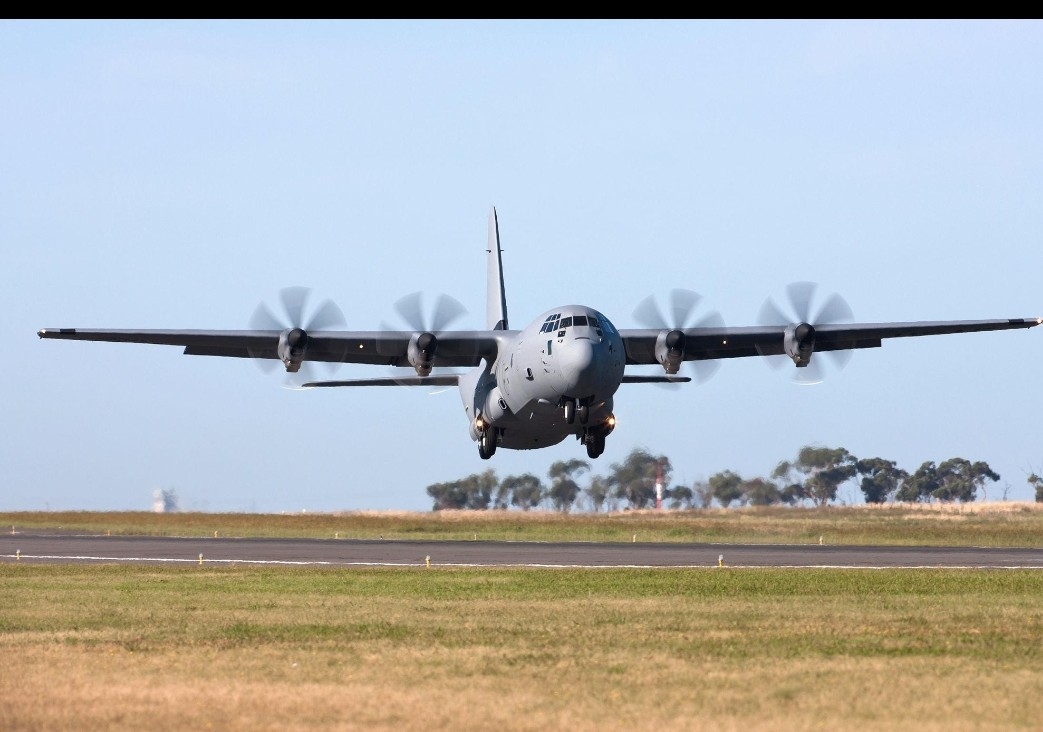
 On April 3, reports emerged of a failed U.S. military operation aimed at rescuing a pilot from a downed American fighter jet inside Iran. According to coverage by Tasnim News Agency, the mission involved advanced military assets, including a Black Hawk helicopter and a C-130 Hercules transport aircraft.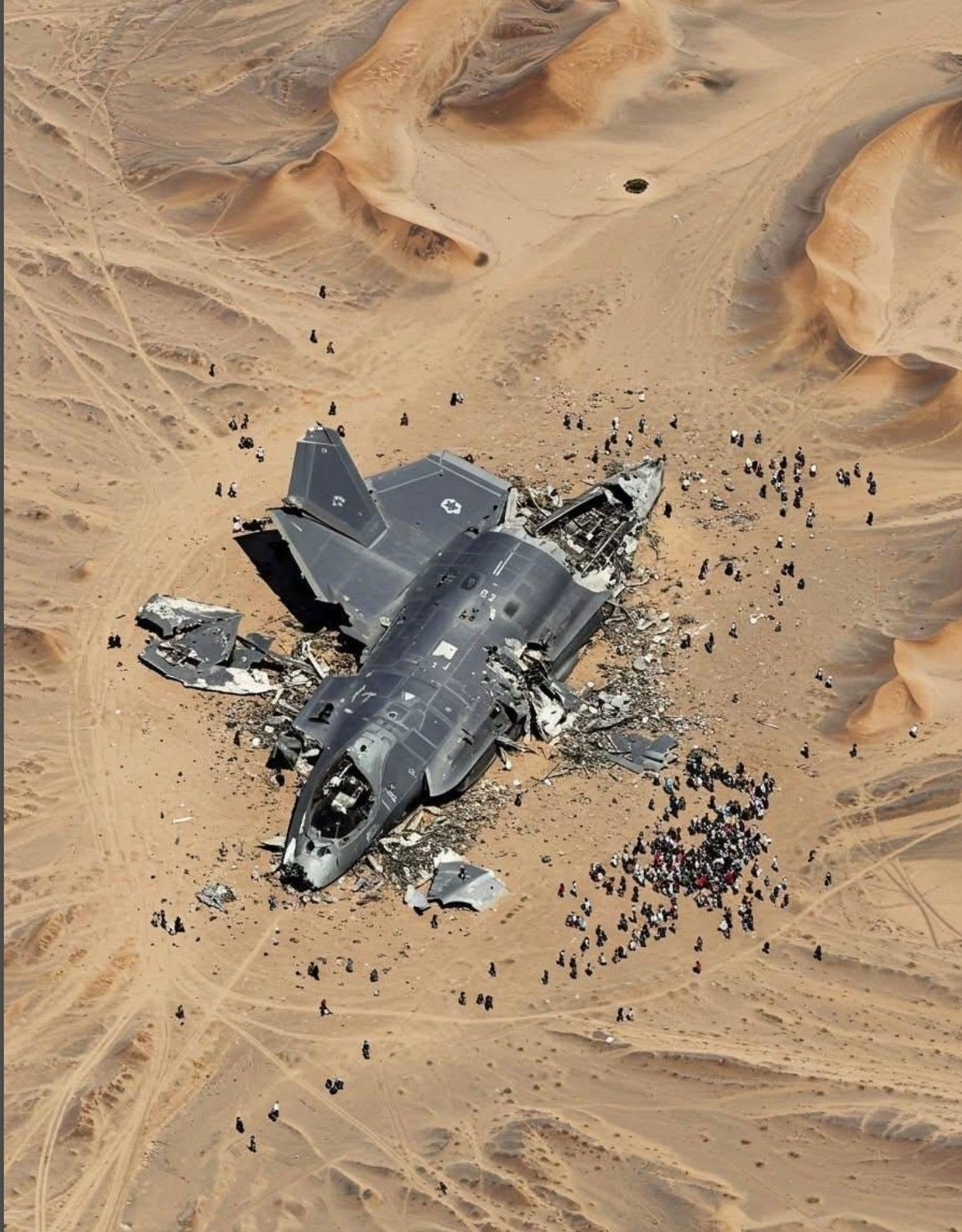
The rescue attempt highlights the high-risk nature of military operations conducted in hostile or restricted territories. While exact details remain limited, the mission’s failure suggests that U.S. forces encountered significant challenges—potentially including difficult terrain, rapid response by local forces, or intelligence gaps regarding the pilot’s location.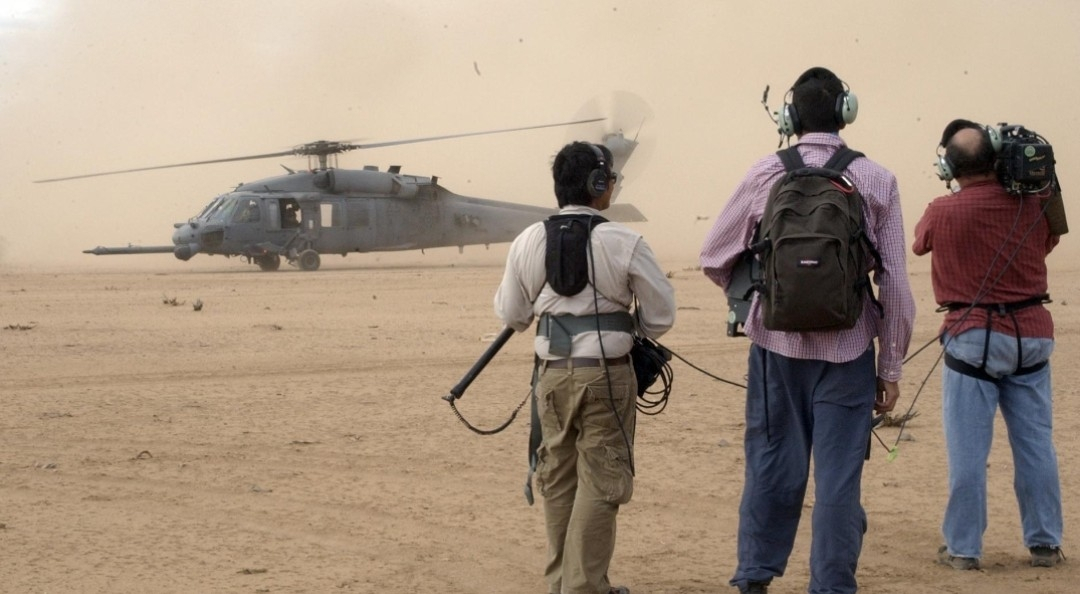
Such operations typically rely on precise coordination, speed, and real-time intelligence. Even with advanced equipment and elite personnel, missions like these can quickly become complicated when conducted in politically sensitive environments. The presence of U.S. aircraft within Iranian territory, if confirmed, further underscores the fragile and tense relationship between United States and Iran.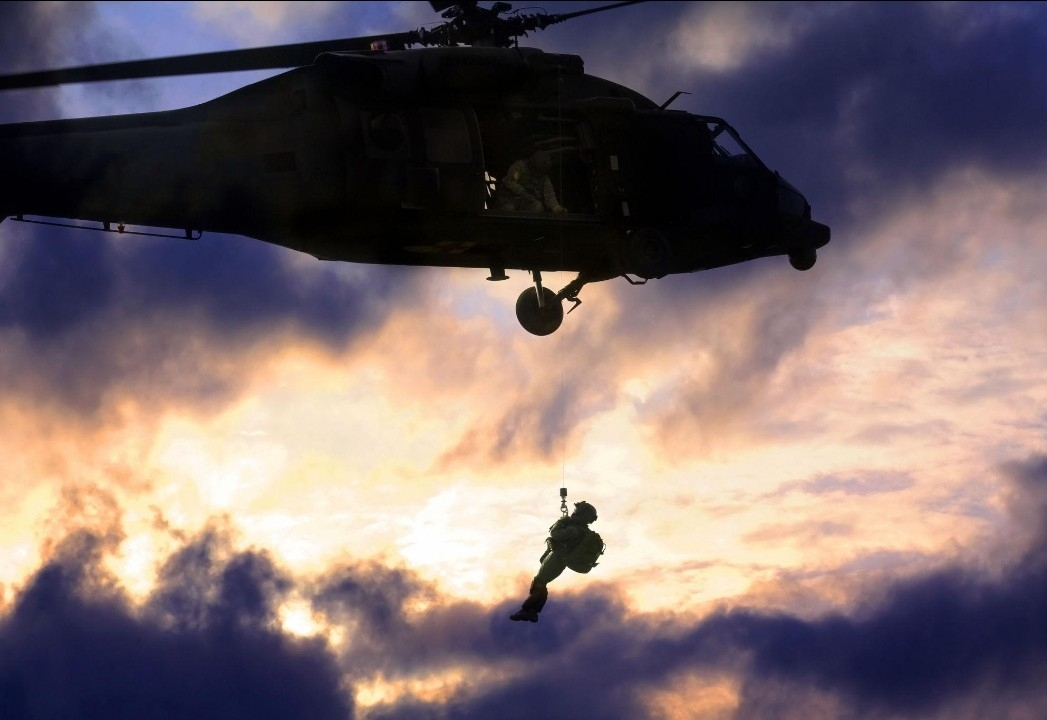
This incident comes at a time when geopolitical tensions between the two nations remain elevated. Any military movement in the region is closely watched and can have broader implications for regional stability and global security. Analysts suggest that failed operations of this nature can increase diplomatic strain and raise questions about escalation.
While neither side has released full official details, the situation serves as a reminder of the unpredictable nature of military engagements. Rescue missions, especially those involving downed pilots, are among the most urgent yet dangerous operations undertaken by armed forces.
As more information emerges, global observers will be closely monitoring developments, particularly any response from Tehran or Washington.#TRUMP
