
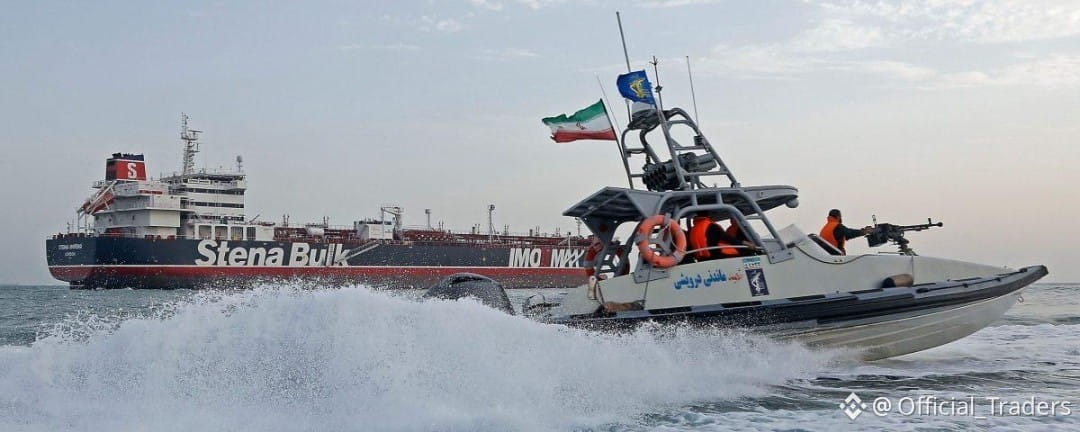
🇨🇳🇮🇷 THE BIGGEST WINNER OF THIS WAR NEVER FIRED A SINGLE SHOT
While the world focused on missiles, strikes, and rising tensions, something far more strategic was unfolding quietly in the background. China, without launching a single attack or making any aggressive move, may have positioned itself as the biggest winner of this entire conflict.
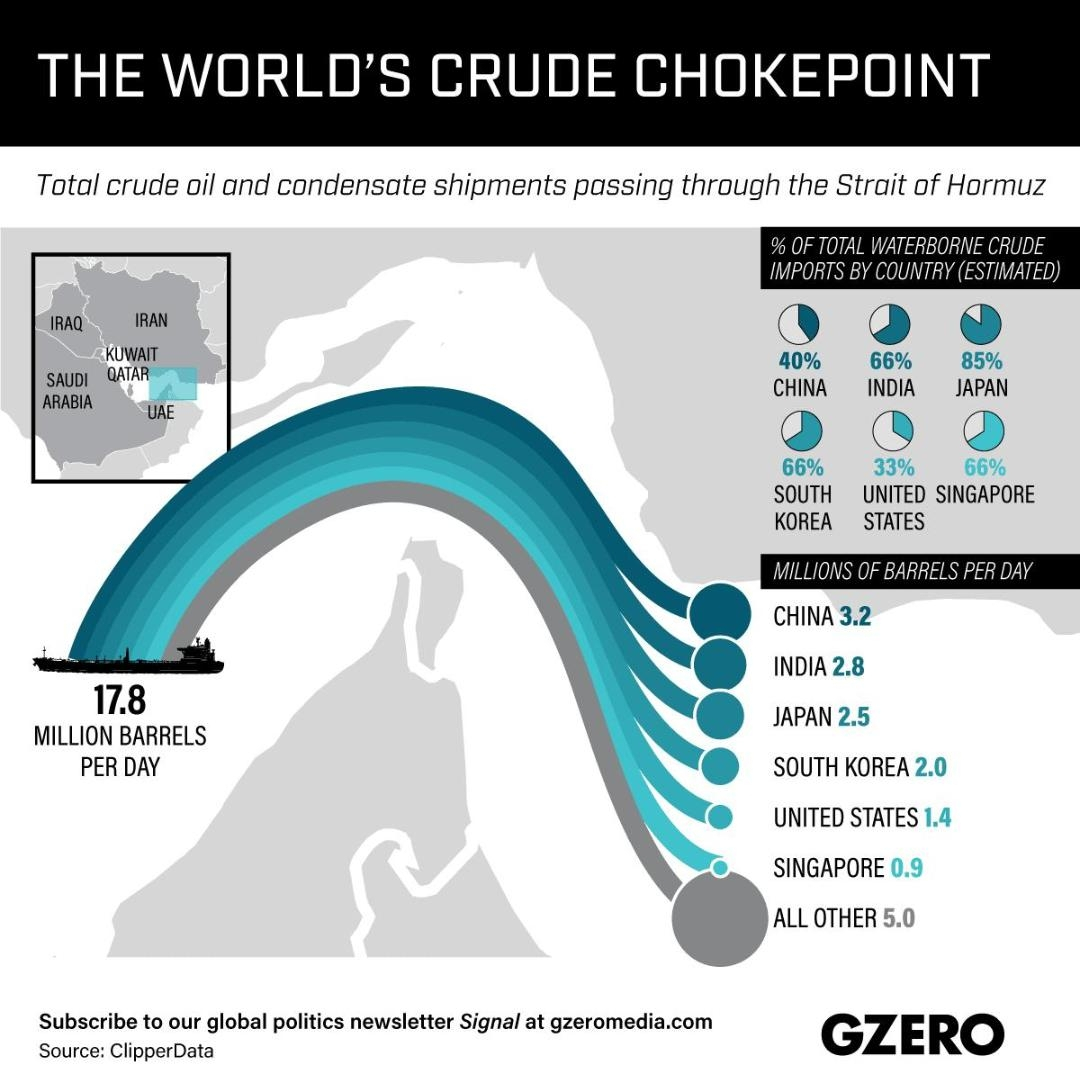
For years, China has been Iran’s largest oil buyer and its most important economic partner. Their long-term relationship isn’t accidental—it’s the result of a carefully structured 25-year cooperation agreement that effectively tied Iran’s economic future to Beijing long before any conflict escalated. This wasn’t a reaction. It was preparation.
When Iran entered this conflict, it wasn’t isolated. It stepped in as a nation already deeply connected to China’s economic system. Its oil exports, trade channels, and even sanctions workarounds were already aligned with Beijing’s interests.
On the other side, the United States spent over 40 days attempting to force control over the Strait of Hormuz. Despite deploying resources, conducting operations, and applying pressure, the objective was never fully achieved. The ceasefire arrived before any decisive control was established.

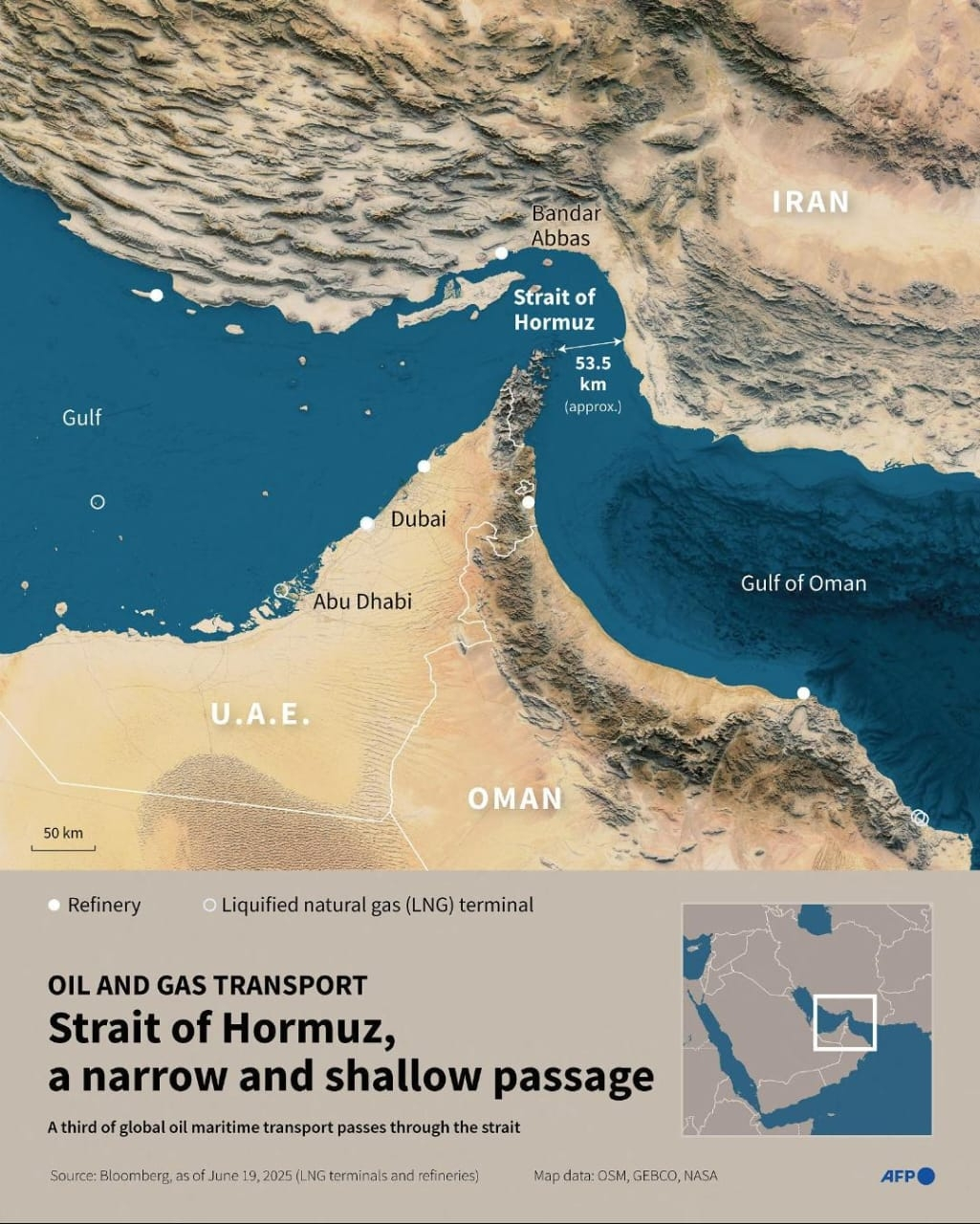
The result? The Strait of Hormuz remained under Iranian influence, operating on Iran’s terms, with tolls being charged on vessels passing through. This outcome sent a clear signal globally—that controlling this strategic chokepoint is far more complex than expected.
But here’s where it becomes even more interesting.
China didn’t intervene. It didn’t escalate. It didn’t even visibly participate. Yet, as the situation unfolded, its position strengthened. Iran, still dependent on China for oil exports and economic stability, continues to operate within Beijing’s sphere of influence.
Meanwhile, the United States reportedly spent around $28 billion, lost aircraft, and depleted significant military resources in an attempt to secure access and stability in the region.

And yet, the strategic balance didn’t shift in its favor.
Roughly 20% of global oil flows through the Strait of Hormuz. That’s not just a regional detail—it’s a global pressure point. And now, that pressure point sits closer to China’s indirect influence than ever before.
No direct conflict. No military losses. No financial drain.
Just patience, positioning, and long-term strategy.
China didn’t need to fire a shot. It didn’t need to spend billions. It simply observed, waited, and allowed the situation to unfold in a way that reinforced its influence.
Final thought:
In modern geopolitics, the biggest wins aren’t always loud—they’re calculated, silent, and strategic.