
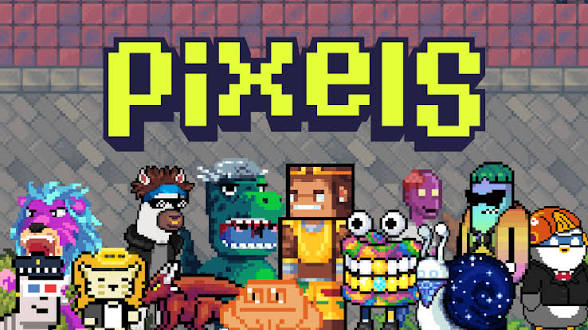
 After spending significant time analyzing the current state of blockchain gaming, it has become increasingly clear that Pixels represents a fundamental shift in how we approach web3 integration. While many projects in this space have stumbled by prioritizing speculative mechanics over genuine engagement, Pixels has quietly matured into one of the most resilient ecosystems available today. Built on the Ronin network, the platform successfully strips away the technical friction that typically alienates mainstream gamers. There are no cumbersome wallet pop-ups or confusing gas fee calculations interrupting the flow; instead, users are greeted with a seamless, browser-based experience that places gameplay squarely at the center of the design philosophy.
The visual presentation often draws immediate attention, but the 16-bit aesthetic is far more than a nostalgic nod to retro gaming. It is a calculated strategic decision designed to lower the barrier to entry without sacrificing mechanical depth. Beneath the pixelated surface lies a sophisticated framework of farming and resource-gathering mechanics that demand genuine player investment. What truly distinguishes this ecosystem, however, is the organic nature of its economy. We are not observing a system where players click mindlessly for artificial rewards. Instead, we are witnessing a fully functional, player-driven market where NFT assets and the $PIXEL token serve as tangible utilities within a living, breathing MMO. Every transaction feels grounded in actual gameplay necessity rather than manufactured scarcity.
It is exceptionally rare to encounter a free-to-play model that sustains this level of organic engagement without resorting to aggressive monetization tactics or pay-to-win structures. Most competitors rely on hype cycles that inevitably burst, leaving behind hollow communities. Pixels avoids this trap by constructing a solid economic loop on a scalable infrastructure like Ronin. This foundation allows the user base to expand naturally, fostering a culture where retention is driven by community bonds and the satisfaction of craft rather than the promise of financial upside. The data suggests that when players feel ownership over their digital labor and see their efforts reflected in a stable market, they remain engaged for the long term.
This evolution proves that sustainable web3 gaming is not an oxymoron. It requires a departure from the extractive models of the past and a return to core gaming principles enhanced by blockchain transparency. Pixels demonstrates that when the technology recedes into the background, the game itself can shine. The resilience of this ecosystem comes from its ability to function as a game first and a crypto project second. By focusing on utility, scalability, and genuine player agency, Pixels has established a blueprint for the future of the industry. This is not merely a trend; it is a practical demonstration of what happens when developers respect their audience and build systems intended to last. The result is an environment where the economy supports the gameplay, creating a cycle of value that feels authentic, robust, and undeniably real.