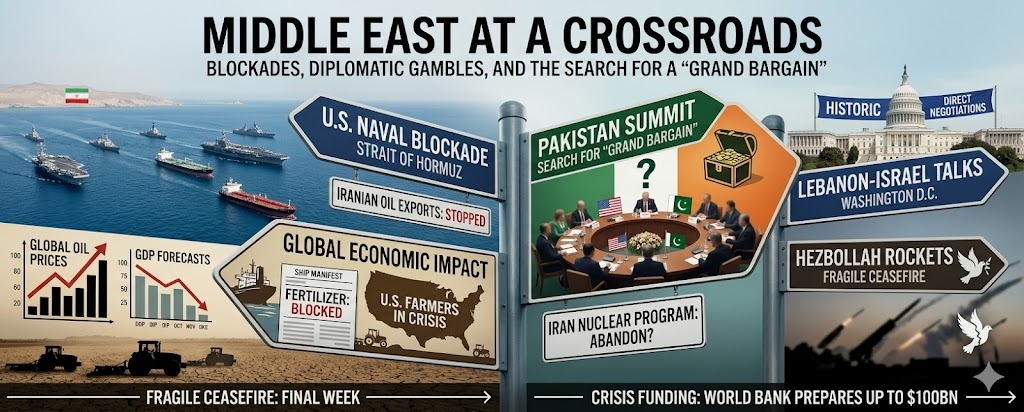
The geopolitical landscape of the Middle East is shifting rapidly as the fragile ceasefire between the U.S. and Iran nears its final week. Recent developments suggest a high-stakes environment where aggressive military posturing meets desperate diplomatic maneuvering.
The Blockade and Economic Aftershocks
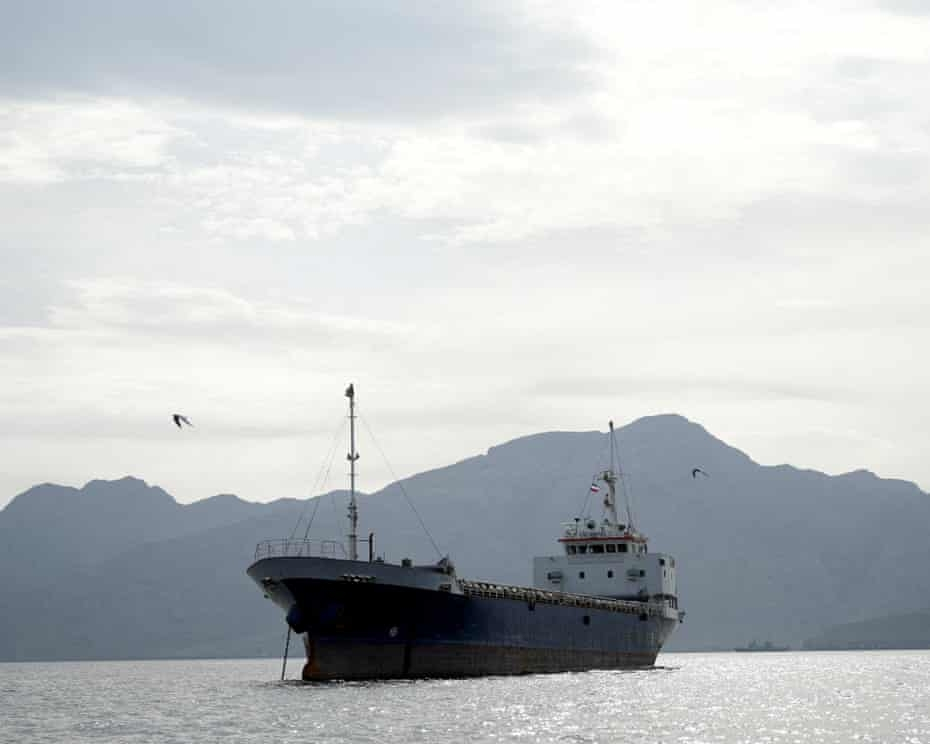
The U.S. has intensified its pressure on Tehran, implementing a naval blockade of Iranian ports supported by a dozen warships and thousands of troops. While the U.S. Central Command maintains that the Strait of Hormuz remains open for non-Iranian traffic—with over 20 commercial ships transiting in the last 24 hours—the exclusion of Iranian oil is sending ripples through global markets.
The domestic fallout in the U.S. is becoming tangible:
Agricultural Crisis: Over 70% of American farmers report they can no longer afford necessary fertilizer due to a 30% price hike linked to Middle East tensions.
Economic Outlook: While U.S. Treasury Secretary Scott Bessent remains optimistic about a 3.5% growth rate, the IMF warns that further escalation could trigger a global recession.
The Pakistan Summit: A New Hope?
In a significant pivot, President Donald Trump has indicated that peace talks could resume in Pakistan within the next 48 hours. Vice President JD Vance has characterized the administration's goal not as a "small deal," but as a "Grand Bargain." The proposal is clear: a verified commitment from Iran to abandon nuclear ambitions in exchange for full reintegration into the global economy.
The Lebanon-Israel Factor
Simultaneously, Washington is hosting historic direct talks between Lebanon and Israel. While Lebanese President Joseph Aoun views this as a "beginning of the end" for his country’s suffering, the situation remains volatile. Hezbollah’s recent rocket fire into northern Israel and their public refusal to abide by any resulting agreements underscore the immense difficulty of achieving a lasting regional settlement.
We are witnessing a "maximum pressure" campaign operating in tandem with "maximum engagement." The coming days in Pakistan will likely determine whether the region moves toward a transformative economic peace or descends back into open conflict. With the World Bank preparing up to $100bn in crisis funding, the international community is bracing for both possibilities.
#MiddleEastCrisis #StraitOfHormuz #Geopolitics2026 #GlobalEconomy #DiplomacyInAction