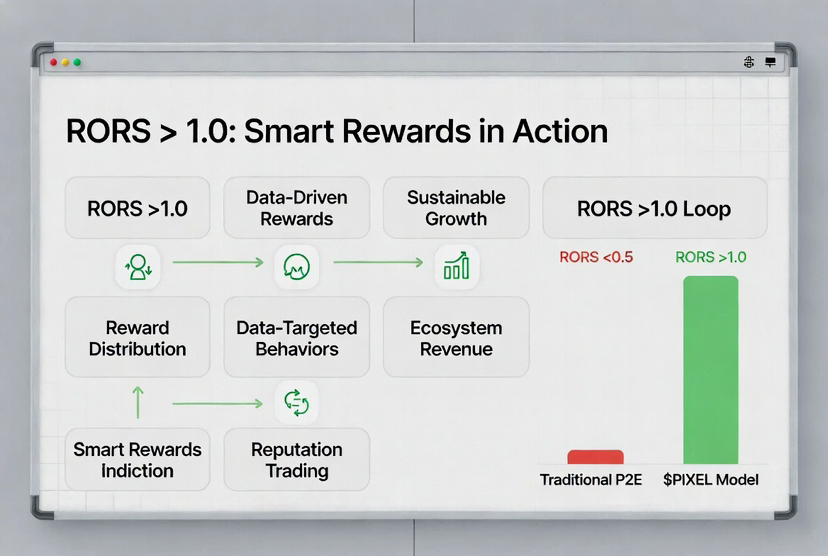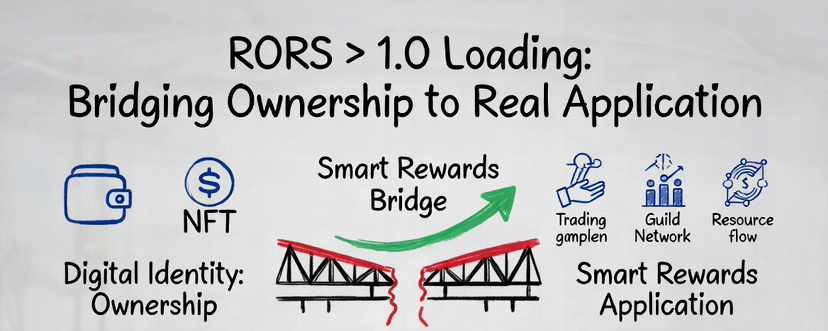
The current state of Web3 gaming often feels like a giant casino where tokens are treated more like lottery tickets than functional tools. Most players buy in with the hope that prices will skyrocket, praying the ecosystem doesn't collapse before they can exit. Pixels ($PIXEL) is attempting to break this cycle by shifting the focus from speculative holding to actual utility. Instead of encouraging people to just sit on their assets, the project is building a system where tokens, NFTs, and virtual land are meant to be used, traded, and integrated into active gameplay.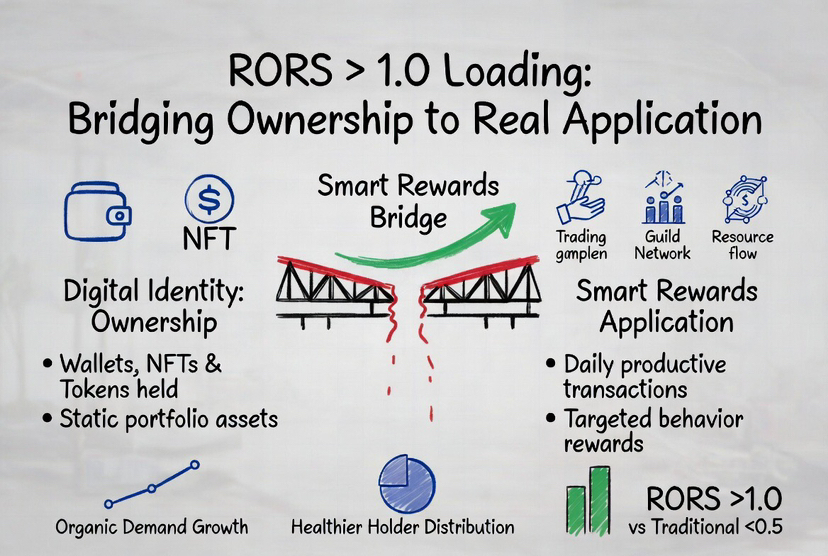
It asks a question: what are these digital assets, for?
If $PIXEL succeeds it could show how Web3 games can be fun and have an economy.
One of the biggest hurdles in the space is the "dead wallet" syndrome, where people own assets but have no reason to interact with them. $PIXEL addresses this by moving away from the standard model of daily token emissions. In many other projects, tokens are printed and handed out regardless of whether any value was added to the game, which often leads to hyperinflation and a slow death for the economy. PIXEL has pivoted to a rewards-based system where tokens are distributed based on active participation and resource management. Essentially, you get rewarded for making the ecosystem stronger, ensuring that every token entering circulation is tied to actual gameplay value.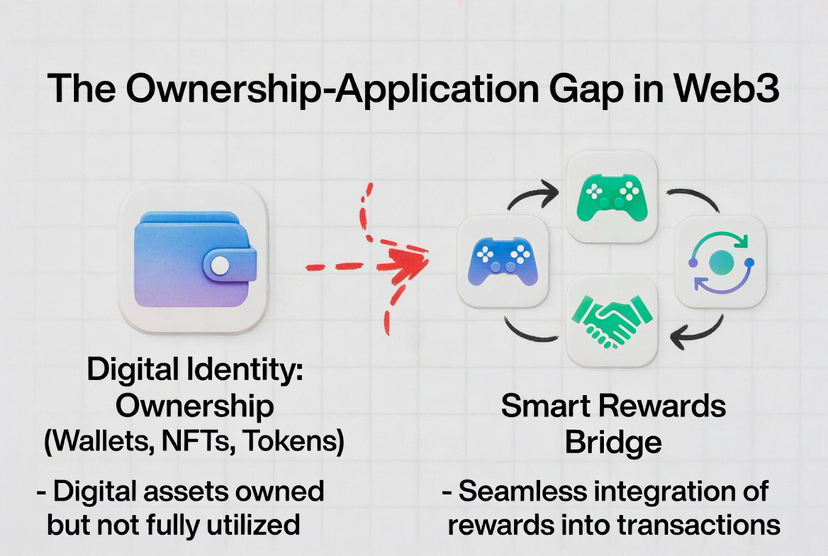
This shift represents a growing maturity in the Web3 space. Players are starting to realize that owning a digital item isn't enough; that item needs to have a job. Whether it's trading resources or participating in a complex in-game economy, the goal is to keep the community engaged rather than just watching a price chart. It is a move away from "play-to-earn" as a job and toward a sustainable environment where the token is a medium of exchange for fun and progression.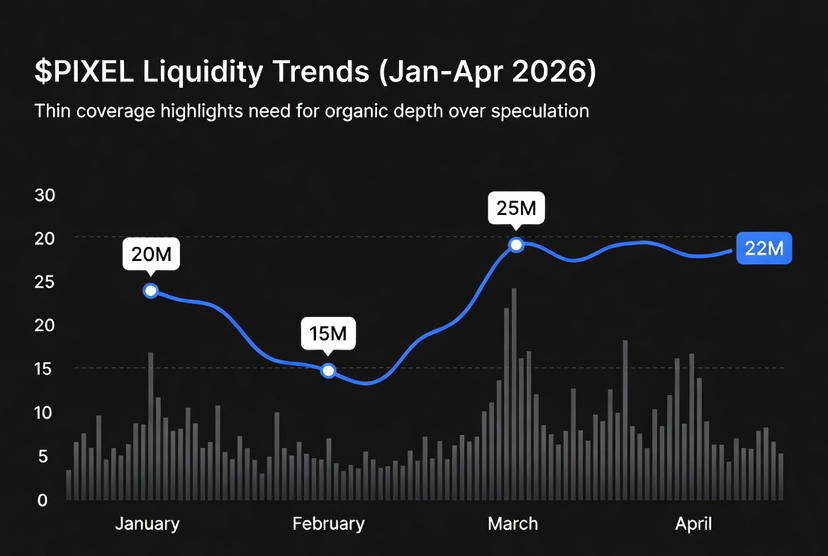
Of course, this approach isn't without its growing pains. The market for PIXEL can still be volatile, and liquidity remains a risk, as it is with any crypto-adjacent project. There is no guarantee of success, and the transition from a speculative model to a utility-driven one is an uphill battle. However, the project's willingness to experiment with data-backed rewards over endless printing makes it a standout.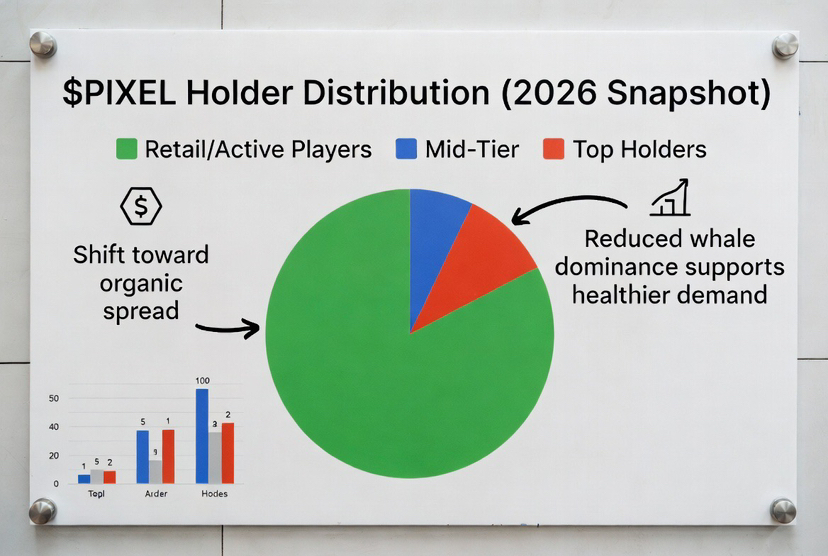
By focusing on users $PIXEL is trying to change the industry.
Ultimately, the success of a project shouldn't be measured by how many people are holding the token in a cold wallet, but by how many people are actually using it within the game. Pixels is positioning itself at the forefront of this change, acting as a test case for whether a fair and sustainable Web3 economy can actually survive in the long run. By prioritizing active users over passive speculators, it is trying to move the needle for the entire industry. Whether you're a gamer or just an observer of the space, it’s a movement worth watching because it tackles the fundamental question of what these digital assets are actually for. If PIXEL succeeds, it could provide the blueprint for a future where Web3 games are defined by their playability and economic health rather than just their hype cycles.