
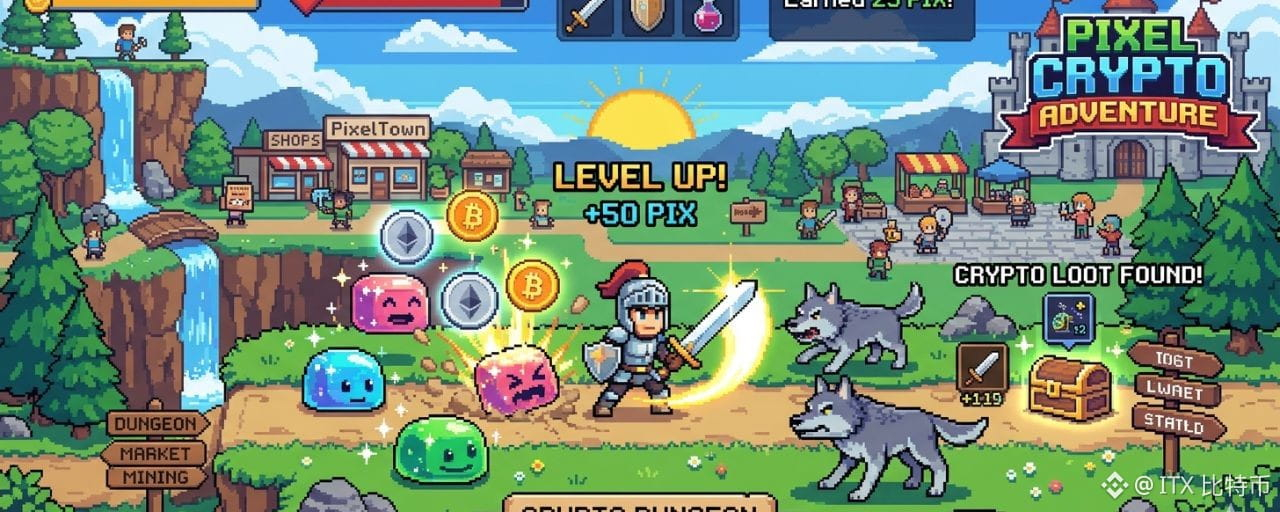

The Rise of Pixel Crypto Gaming: A New Frontier in Blockchain Entertainment
The gaming industry has undergone a massive transformation with the integration of blockchain technology, and one of the most exciting developments in this space is Pixel Crypto Gaming. Combining nostalgic pixel art aesthetics with decentralized finance (DeFi) mechanics, these games are capturing the attention of both gamers and crypto enthusiasts. Platforms like Binance have played a pivotal role in fostering this niche, offering support for in-game assets and fostering a thriving ecosystem.
What Is Pixel Crypto Gaming?
Pixel Crypto Gaming refers to blockchain-based games that utilize pixel art graphics, often incorporating play-to-earn (P2E) mechanics. These games leverage non-fungible tokens (NFTs) and cryptocurrencies to enable true ownership of in-game assets, allowing players to trade, sell, or use them across different platforms. The retro-inspired visuals appeal to a broad audience, blending simplicity with the financial incentives of blockchain technology.
Why Pixel Art?
Pixel art has a timeless charm, evoking nostalgia for classic video games while remaining cost-effective to develop. Unlike high-end 3D games, pixel-based projects can be created with smaller teams and budgets, making them ideal for indie developers entering the crypto gaming space. Additionally, the minimalist design allows for seamless integration with blockchain mechanics, ensuring smooth gameplay even on less powerful devices.
The Role of Binance in Pixel Crypto Gaming
As one of the largest cryptocurrency exchanges, Binance has been instrumental in supporting Pixel Crypto Gaming through:
- NFT Marketplaces: Binance NFT provides a platform for trading in-game assets, giving players liquidity and exposure. - Launchpad Support: Many pixel-based blockchain games have launched their tokens via Binance Launchpad, gaining instant visibility. - Smart Chain Integration: Binance Smart Chain (BSC) offers low transaction fees, making it a preferred blockchain for gaming projects.
Games like Thetan Arena and My DeFi Pet have benefited from Binance’s infrastructure, demonstrating how the exchange is shaping the future of crypto gaming.
Play-to-Earn: The Driving Force
The play-to-earn (P2E) model is a major attraction in Pixel Crypto Gaming. Players can earn cryptocurrency or NFTs by completing in-game tasks, competing in battles, or trading assets. This model has gained traction in developing countries, where gamers can generate real income through gameplay. However, sustainability remains a challenge, as seen in the rise and fall of some P2E projects.
Challenges and Future Outlook
While Pixel Crypto Gaming holds immense potential, it faces hurdles such as:
- Market Volatility: The value of in-game tokens can fluctuate drastically, affecting player earnings. - Regulatory Uncertainty: Governments are still defining policies around blockchain gaming and NFTs. - User Retention: Many players join for profits rather than gameplay, leading to short-term engagement.
Despite these challenges, the sector is evolving rapidly. Developers are focusing on deeper gameplay mechanics, improved graphics, and sustainable tokenomics to ensure long-term growth.
Conclusion
Pixel Crypto Gaming represents a unique fusion of retro aesthetics and modern blockchain innovation, offering players both entertainment and financial opportunities. With platforms like Binance supporting this ecosystem, the future looks promising. As the industry matures, expect more polished, engaging, and economically sustainable pixel-based games to emerge, reshaping how we play and earn in the digital age.
PIXELUSDT
Perp