
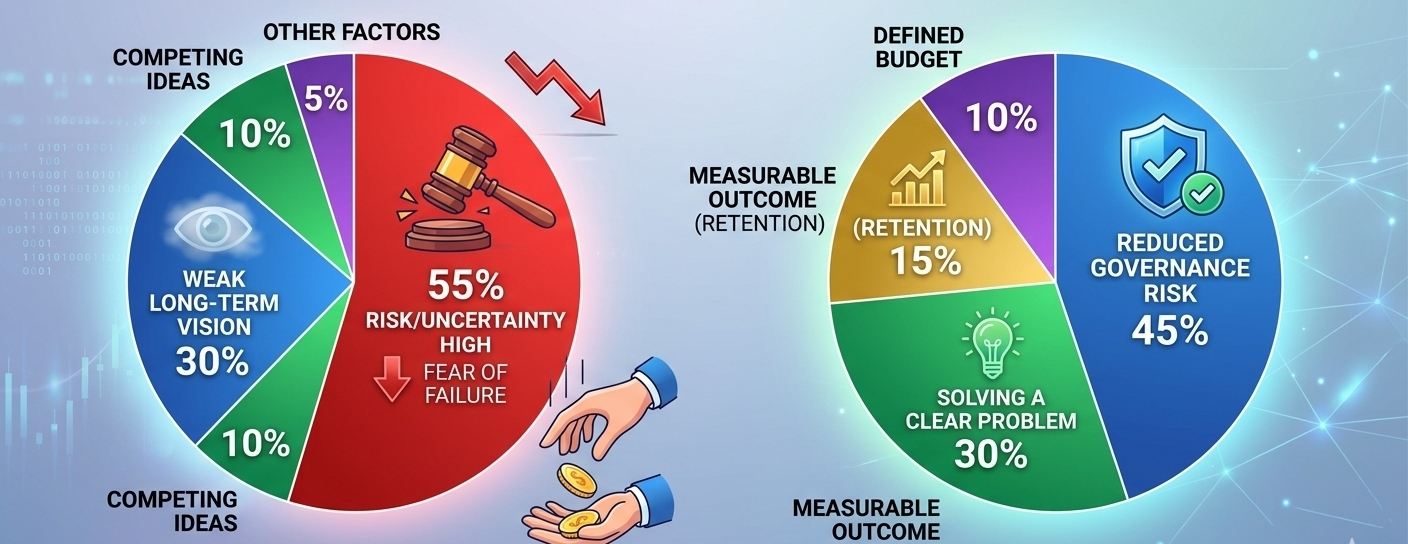
What if the biggest risk in Web3 gaming isn’t gameplay, but trust? In many token communities, proposals don’t fail because the ideas are small. They fail because the market is nervous. When liquidity is tight and holders are cautious, even strong visions struggle to pass. That’s exactly the environment PIXEL is navigating today — and it’s why Pixels Insurance could be one of the most practical, trust-building proposals the ecosystem has seen.
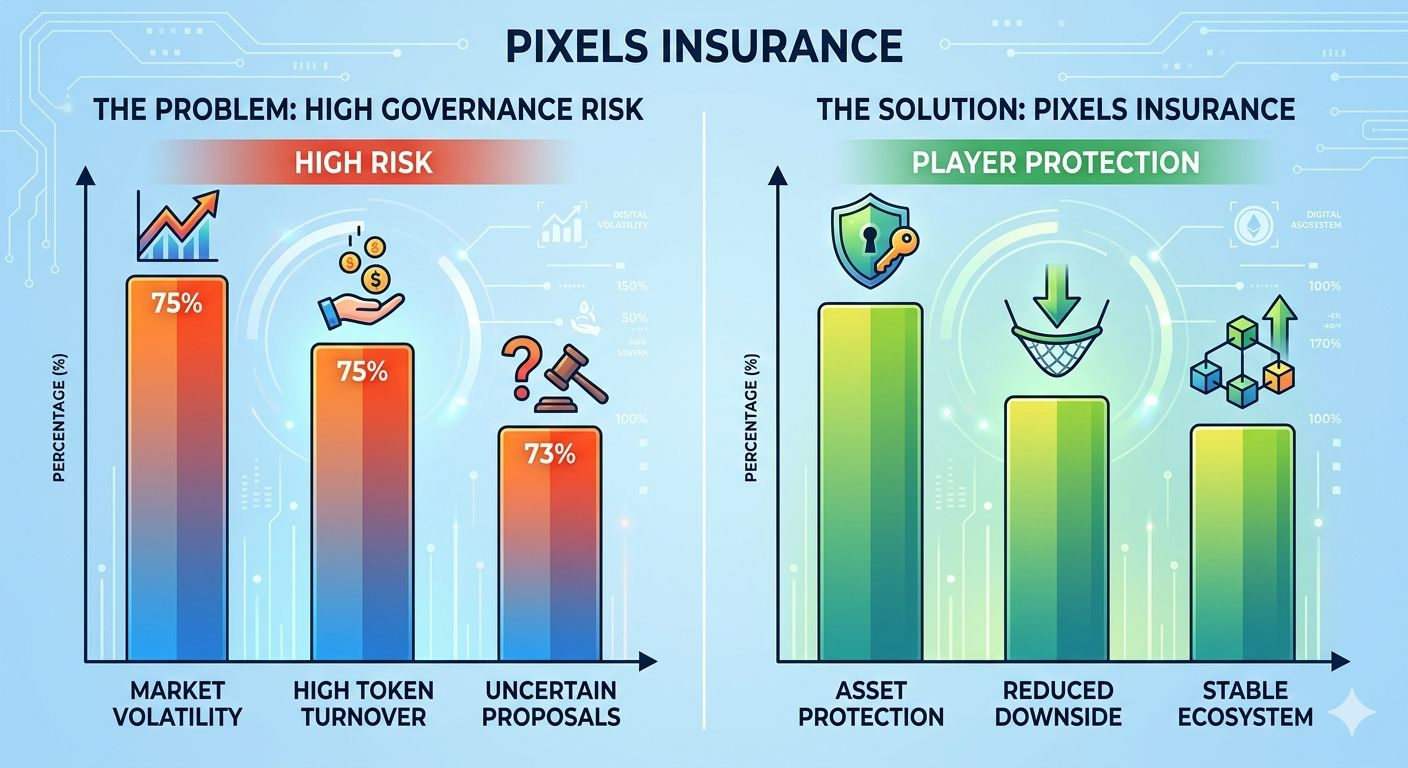
PIXEL currently sits at a relatively modest market cap with high turnover. That means holders can exit quickly instead of waiting for long-term outcomes. Add scheduled token unlocks and ongoing treasury decisions, and the community naturally becomes more sensitive to risk. In this kind of market, proposals that promise long-term upside often struggle. But proposals that reduce downside? Those get attention.
Pixels Insurance is built precisely for that moment. 🛡️
The Problem: Gaming Progress Isn’t Truly Owned
Gamers invest more than money. They invest time, effort, and emotional energy. Whether it’s rare skins, powerful weapons, or months of progression, players build value inside games every day. Yet, historically, that value has always been fragile.
Servers shut down. Companies pivot. Projects run out of funding. Even technical issues can wipe out accounts or items. When that happens, players are often left with nothing — no compensation, no recovery, no protection.
This problem becomes even more important in Web3 gaming. These ecosystems promise ownership and decentralization, but risk still exists. If the infrastructure fails, if liquidity dries up, or if development slows, player confidence drops quickly.
And when confidence drops, so does retention.
That’s where Pixels Insurance enters the picture. 🎮
The Solution: A Safety Net for Digital Ownership
Pixels Insurance introduces a simple but powerful concept: protect players’ digital assets and progress.
Instead of leaving players exposed, Pixels Insurance creates a structured protection system. If something goes wrong — whether it’s server shutdowns, technical failures, or major disruptions — the insurance layer steps in to help players recover value.
This shifts the relationship between players and publishers. Instead of asking players to trust blindly, Pixels Insurance offers a measurable safety net.
That matters especially in today’s market environment. With Bitcoin dominance high and stablecoin capital still defensive, investors and players are looking for risk reduction. Proposals that reduce uncertainty tend to perform better than those promising long-term speculation.
Pixels Insurance does exactly that by creating a demand sink for trust rather than just tokens.
Why This Matters for PIXEL Governance
Successful governance proposals often share three traits:
• They solve one clear problem
• They define one clear budget
• They measure one clear outcome
Pixels Insurance fits this structure well. The problem is asset risk. The budget is focused on coverage infrastructure. The metric is player retention and asset protection.
More importantly, Pixels Insurance lowers governance risk. When players know their progress is protected, they’re more likely to stay engaged. When engagement increases, token demand becomes more stable. When demand stabilizes, governance becomes easier.
This creates a feedback loop:
Better protection → Higher retention → Stronger ecosystem → Better governance
That’s the kind of coordination device that tends to pass proposals — especially in cautious markets. 📊
A New Bond Between Players and Developers
Pixels Insurance isn’t just about protection. It’s about trust.
Web3 gaming has always promised a stronger connection between players and developers. But that promise only works when both sides feel secure. Developers need committed communities. Players need confidence their time won’t be wasted.
Pixels Insurance bridges that gap.
By working directly with players, the system can adapt to real needs. Gamers don’t want complicated policies. They want straightforward support and fast solutions. A simple, transparent insurance process creates confidence without adding friction.
This also sends a strong signal to new players. When newcomers see protection built into the ecosystem, onboarding becomes easier. And easier onboarding leads to growth.
Market Timing: Why Now Matters
Timing is everything in governance. Right now, markets are still defensive. Liquidity is concentrated in large assets, and smaller ecosystems must compete harder for attention.
That means PIXEL proposals succeed when they reduce fear instead of adding speculation.
Pixels Insurance fits this environment perfectly:
• It reduces emissions anxiety
• It strengthens player retention
• It improves ecosystem stability
• It builds long-term trust
These factors create measurable impact — not just vision.
In a market where holders can exit quickly, proposals that stabilize participation become extremely valuable.
The Long-Term Vision
Pixels Insurance could evolve beyond simple protection. Over time, it may expand into:
• Asset protection tiers
• Community-driven coverage pools
• Reputation-based risk models
• Cross-game insurance partnerships
Each step strengthens the ecosystem while adding real utility.
But the key to success is starting small. One problem. One budget. One metric.
That approach lowers risk and increases the likelihood of governance success.
Conclusion: Protection Is the New Utility
The next phase of Web3 gaming won’t be defined only by gameplay or tokenomics. It will be defined by trust. Players want ownership, but they also want protection. They want opportunity, but they also want security.
Pixels Insurance offers both.
In a market where proposals fail due to uncertainty, Pixels Insurance provides clarity. It transforms governance from vision into coordination. It turns risk into confidence.
And most importantly, it creates a new relationship between players and the ecosystem — one built on fairness, transparency, and long-term commitment.
Because when players feel safe, they stay.
When they stay, ecosystems grow.
And when ecosystems grow, tokens follow.
