
I keep thinking about the first time I logged into Pixels and how disorienting that experience was for about four minutes. Not because the game was confusing. Because it was not confusing at all and that was the unexpected part.
Most Web3 games greet you with a wallet connection screen, a token explainer, a disclaimer about gas fees, and three separate tutorials about why owning a digital asset is revolutionary. By the time you actually touch the game you are already tired. Pixels skips almost all of that. You sign up with an email address. The world loads. You start farming. The blockchain is there but it does not introduce itself until you are already invested in what you are doing.
That design decision sounds minor until you understand how rare it is.
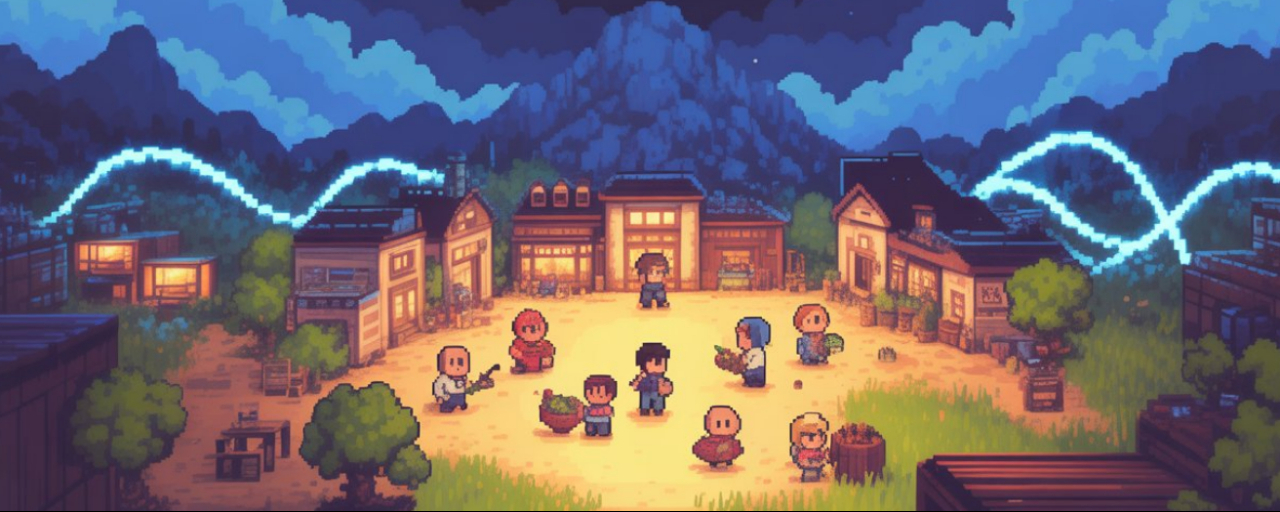
The core platform sits inside a browser. No download required. The open world is built in a charming 16-bit pixel art style that immediately signals casual and approachable rather than technically intimidating. Terravilla is the central hub where most social interaction happens, where players meet, trade, coordinate guild activities and generally exist as a community rather than just a collection of wallets doing transactions. The world expands outward from there into farmland, exploration zones, resource territories and eventually into the broader ecosystem of partner games that now connect to the same $PIXEL economy.
The resource system is where the platform starts showing its actual depth. Farming is the primary activity but farming in Pixels is not a single loop. Crops, wood, stone, animals, rare materials that only spawn on specific land types, rarity tiers that determine what you can craft and where you can progress. Energy is the central constraint. Everything costs energy and energy regenerates over time, which means the platform naturally paces player activity rather than allowing pure grinding. That pacing decision is economically significant in ways that most players never consciously register. It limits how fast any single player can extract value from the ecosystem and distributes activity more evenly across the player base.
Land ownership sits above the free-to-play layer and the distinction between these two experiences is one of the more honest design choices Pixels has made. Free players access public plots called Specks. They can farm, earn, explore and participate in most of the game without spending anything. NFT landowners get a share of crops grown on their land, access to unique resources tied to their land type and meaningfully higher earning potential over time. The platform supports three land types — Regular, Water and Space — each producing different resources and demanding different strategies. Water and Space lands are genuinely harder to optimize for and the players who figure them out tend to earn disproportionately better than those who do not bother understanding the distinction.
The avatar system adds another layer that quietly does a lot of work for the platform's identity. Pixels supports over 80 external NFT collections as playable characters. Pudgy Penguins, Bored Ape Yacht Club, Mocaverse and dozens of others can walk around Terravilla as functional avatars inside the game. This is not cosmetic integration done lazily for marketing purposes. It is a genuine statement about what kind of platform Pixels sees itself becoming. Not a closed game with its own asset ecosystem but an open world that recognizes digital ownership wherever it originated and gives it somewhere meaningful to exist.
The guild system extends the social architecture further. Players form guilds, coordinate activity, share resources and build reputations that persist across sessions. In early 2025 the platform introduced a single account system that carries player reputation across multiple games within the Pixels ecosystem. Your identity in Pixels, the things you have done and the standing you have built, starts following you into Forgotten Runiverse and Sleepagotchi rather than resetting every time you cross a game boundary. That is a more sophisticated approach to player identity than most gaming platforms manage even in traditional Web2 environments.
The currency architecture has also evolved in ways worth understanding seriously. $BERRY, the original soft currency that handled the free-to-play economic loop, was phased out in early 2025 and replaced with an off-chain currency called Coins. The decision addressed two problems simultaneously. Inflation pressure that was slowly degrading the casual economy and bot abuse that was exploiting the on-chain nature of $BERRY to extract value at scale. Moving the soft currency off-chain while keeping pixel chain created a cleaner separation between casual participation and serious economic activity. Pixel handles premium functions exclusively — guild memberships, NFT minting, boosts, VIP access, crafting recipes at higher tiers. The token means something more specific now than it did when it had to do everything at once.
The VIP membership layer deserves more attention than it usually gets in platform discussions. Over 200,000 players were paying roughly ten dollars a month in $RON for VIP membership benefits at the peak of that program. That is a real subscription economy sitting inside a Web3 game, which is genuinely unusual. Most blockchain games never figure out how to get players to pay recurring fees because the play-to-earn framing creates an expectation that value flows toward the player rather than back toward the platform. Pixels figured out that players will pay for access and advantages if the underlying game is worth spending time inside. That insight is more important for the long-term health of the platform than any single feature update.
Chapter 3 is the next major evolution with PvE and PvP mechanics being added on top of everything the platform already does. The community has been asking for combat depth since the early days and the team has been careful not to rush it in at the cost of the economic stability they have been building carefully over the past year. That restraint is visible in how the platform has evolved — not chasing every feature request immediately but building the economic foundation first and expanding gameplay depth once the foundation could support the weight of it.
What the Pixels platform has actually built is harder to summarize than a feature list suggests. It is a layered environment where casual players, serious investors, NFT collectors, guild coordinators and cross-game participants can all find a version of the experience that fits what they came for. Most platforms optimize for one of those audiences and quietly exclude the others. Pixels has been methodical about keeping all of them inside the same world.
Whether that world scales gracefully as Chapter 3 arrives and the partner ecosystem expands further is the question the platform has not had to answer yet. The architecture suggests it can. The history of Web3 gaming suggests caution before confidence.
But the platform is genuinely more interesting than it looks from the outside. That is not a small thing to say about a browser-based farming game.