

In the rapidly shifting landscape of digital finance, the boundary between innovation and regulation remains a defining frontier. While Bitcoin has achieved "digital gold" status among global institutions, its acceptance remains a polarized tale of two worlds.
1. The "Red Zones": Understanding the Resistance
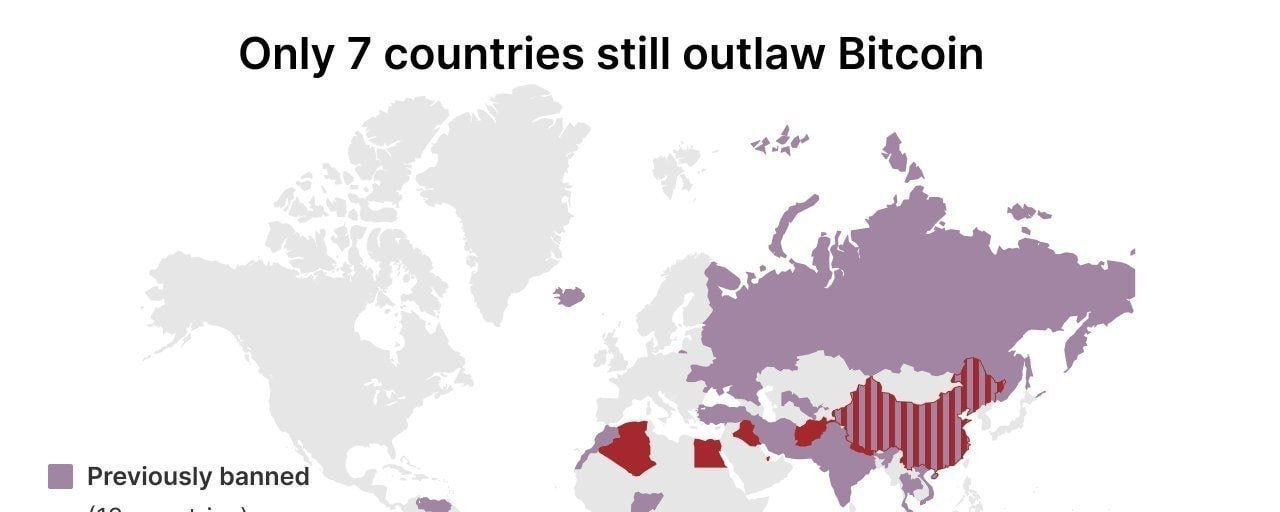
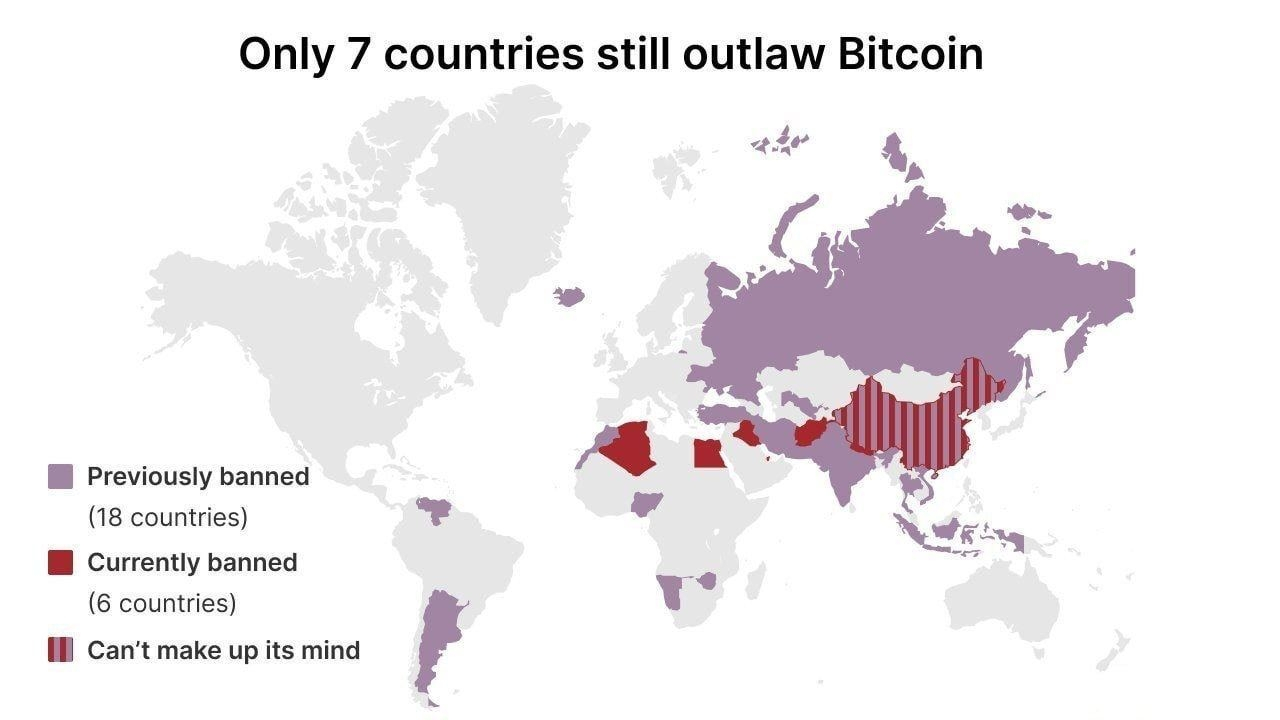
As of today, Bitcoin remains officially restricted or banned in a select group of nations, including China, Algeria, Egypt, Bangladesh, Morocco, Iraq, and Qatar.
However, these bans are rarely a rejection of the technology itself. Instead, they are often strategic maneuvers driven by:
Capital Controls: Preventing capital flight to maintain domestic economic stability.
Monetary Sovereignty: Protecting the local currency from the volatility and competitive pressure of decentralized assets.
Financial Oversight: Concerns over AML (Anti-Money Laundering) and KYC (Know Your Customer) compliance in regions with developing digital infrastructures.
Despite these hurdles, the borderless nature of blockchain means that "bans" often lead to the rise of robust P2P (peer-to-peer) markets rather than the disappearance of the asset class.
2. The Great Pivot: From "Banning" to "Regulating"
The narrative for the upcoming era is no longer about whether Crypto will exist, but how it will be integrated. We are witnessing a massive global shift:
The ETF Catalyst: The success of Spot Bitcoin and Ethereum ETFs in major financial hubs like the US and Hong Kong has set a precedent. It has forced skeptical nations to reconsider: can they afford to be left out of the trillion-dollar digital liquidity pool?
The MiCA Standard: The European Union’s MiCA (Markets in Crypto-Assets) framework has provided a blueprint for other nations. This clarity is encouraging "restricted" regions to move toward licensing models rather than blanket prohibitions to attract tech talent and foreign investment.
3. The Road Ahead: What the Future Holds
Looking toward the horizon, the crypto ecosystem will be shaped by three core pillars:
Co-existence with CBDCs: Many nations currently banning crypto are doing so to clear the path for their own Central Bank Digital Currencies (CBDCs). In the future, we expect a hybrid economy where CBDCs handle state transactions while decentralized assets serve as "hard money" and collateral.
Institutional Mainstreaming: We are moving past the "retail-only" phase. Within the next few years, crypto will be a standard component of pension funds and corporate balance sheets, protected by sophisticated insurance and custody solutions.
The "Legalization" Domino Effect: As global regulatory standards (like those from the FATF) become more uniform, the "Red Zones" are likely to shrink. Economic necessity will eventually outweigh the fear of the unknown.
Final Thought
History shows that technology does not wait for permission; it creates its own path. The countries currently banning Bitcoin are not witnessing its failure—they are observing its evolution from the sidelines.
For the Binance Square community, the message is clear: Regulation is not the enemy; it is the bridge to the next billion users.
What is your take? Will the "Red Zone" countries pivot by 2027, or will they remain isolated from the digital asset revolution? Sound off in the comments!
