
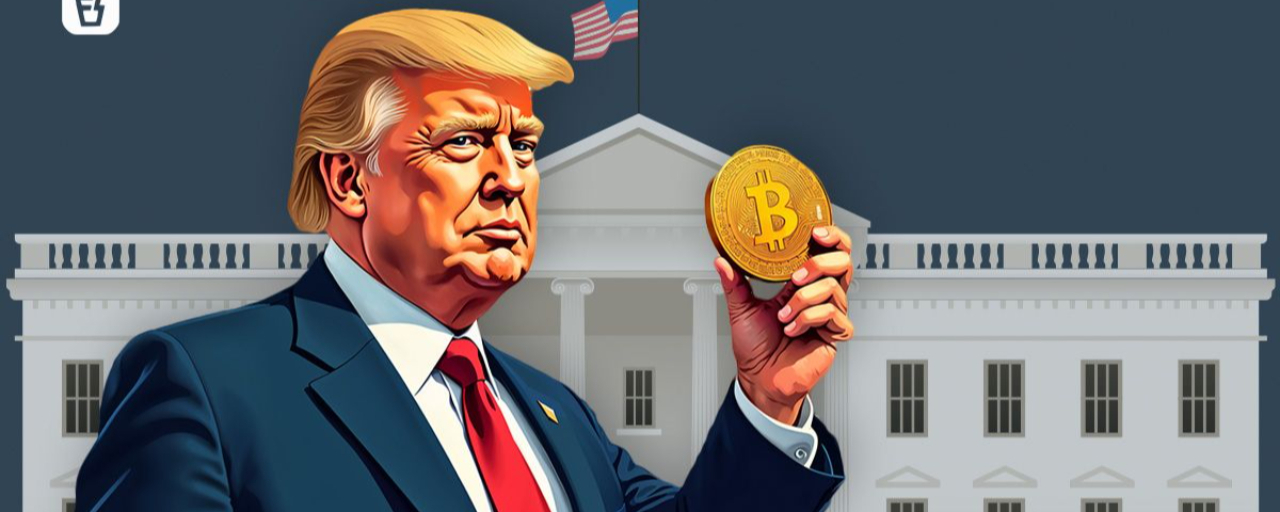
The cryptocurrency market is once again being shaped by a powerful mix of politics, global economics, and institutional expansion. As of April 17, 2026, one of the biggest catalysts influencing market sentiment is the renewed geopolitical narrative surrounding Donald Trump and his stance on international relations—particularly developments tied to the Middle East.
Recent signals pointing toward a potential Iran deal and easing geopolitical tensions have injected optimism into global markets. This shift has directly benefited cryptocurrencies, with $BTC pushing above the $75,000 mark and major altcoins following suit. When geopolitical risk declines, investors tend to rotate back into risk assets, and crypto is often among the first to benefit from this shift. Lower inflation expectations and improved macro stability further reinforce this bullish momentum.
However, not all Trump-related developments are being received positively in the crypto space. His association with the project World Liberty Financial has sparked debate across the industry. Reports suggest that early investors in the project face long lock-up periods, raising concerns about liquidity, decentralization, and fairness. While this controversy does not directly impact major cryptocurrencies like $BTC or $ETH , it contributes to broader skepticism toward politically affiliated crypto ventures. For a market that values transparency and decentralization, such concerns can influence sentiment—especially among retail investors.
At the same time, a much stronger and more sustainable bullish driver is emerging: institutional adoption. Traditional finance giants are accelerating their involvement in the crypto ecosystem, signaling a major shift in how digital assets are perceived globally. Large financial institutions are not only investing in crypto platforms but are also developing blockchain-based trading infrastructure. This institutional momentum adds credibility, improves liquidity, and reduces long-term volatility—key ingredients for sustained growth.
In parallel, global policymakers are beginning to recognize the strategic importance of digital currencies. European financial authorities are actively discussing the development of euro-backed stablecoins to compete with the dominance of US dollar-based stablecoins. This marks a significant step toward a multi-polar digital financial system, where different regions seek to establish influence through blockchain technology. Stablecoins, often overlooked by casual investors, play a critical role in providing liquidity and enabling seamless transactions across crypto markets.
From a broader perspective, the crypto market currently sits at a crossroads. On one hand, geopolitical easing and institutional inflows are creating a supportive environment for price growth. On the other, controversies around politically connected projects and ongoing regulatory uncertainties continue to present risks. This dual narrative is shaping a market that is both opportunistic and cautious at the same time.
Looking ahead, the key factors to watch include further geopolitical developments, regulatory clarity, and the pace of institutional integration. If global tensions continue to ease and large financial players deepen their involvement, the crypto market could enter a more mature and stable growth phase. Conversely, any resurgence in geopolitical conflict or regulatory crackdowns could quickly reverse current gains.
In conclusion, today’s crypto market is no longer driven solely by technology or speculation—it is deeply interconnected with global politics and macroeconomic trends. Investors who understand this evolving landscape will be better positioned to navigate both the opportunities and risks that lie ahead.
#BitcoinPriceTrends #DonaldTrump #Geopolitics #Kalshi’sDisputewithNevada #USInitialJoblessClaimsBelowForecast