
The information battlefield just heated up.
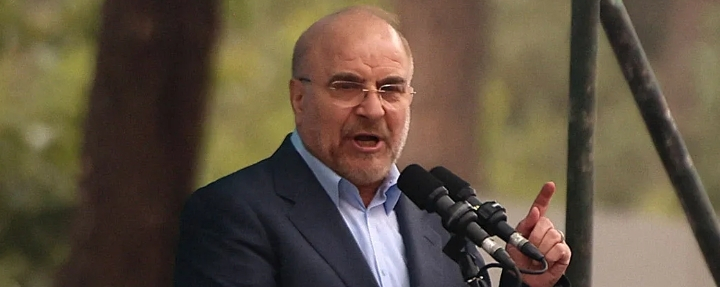
Mohammad Bagher Ghalibaf has openly challenged Donald Trump, calling out what he described as “seven untrue declarations” posted within a single hour. This isn’t just political noise — it’s a signal of rising tension in both diplomacy and perception warfare.
According to reports, Ghalibaf didn’t just deny the claims — he questioned the entire U.S. strategy, arguing that relying on misinformation has historically failed in war and won’t succeed in negotiations either.
That’s a bold statement, but the real weight comes from what followed.
He issued a direct warning: If pressure on Iran intensifies — especially through blocking its ports — the consequences won’t stay limited. The critical chokepoint, Strait of Hormuz, could become unstable.
Why this matters:
Nearly 20% of global oil supply flows through Hormuz
Any disruption = instant volatility in oil markets
Energy prices → inflation → global market ripple effect
This isn’t just geopolitics — it’s macroeconomics in motion.
Big Picture: We’re watching a shift from traditional diplomacy to real-time narrative warfare, where statements, tweets, and media framing are shaping market sentiment as much as actual policy.
And here’s the key insight:
When words start moving markets, they become weapons.
Stay sharp. The next move won’t just be political — it could be financial.
#crypto #BitcoinPriceTrends #BTC #Narratives #iran


