
They fail because their systems don’t connect.
I’ve noticed this pattern again and again. A game launches with a long list of mechanics, each one impressive on its own, but when you actually play it, everything feels disconnected. You farm but it doesn’t link to progression. You complete quests but they don’t change your strategy. You collect items but they don’t reshape your decisions. It becomes a checklist instead of a system.
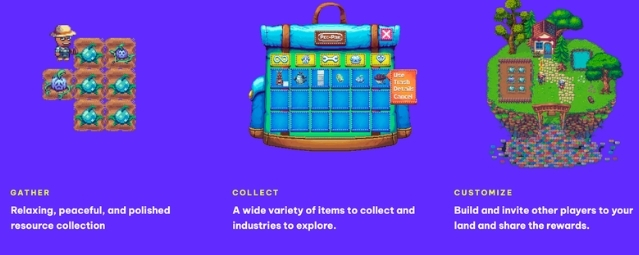
When I look at this design it’s not trying to overwhelm early. It starts with simple repeatable loops—farming quests cooking. These are the primary mechanics. You understand them fast and more importantly you keep using them. That consistency matters. Instead of introducing systems that fade away, it builds habits. You plant crops, complete tasks, cook resources, and over time these actions begin to connect naturally. Nothing feels wasted.
What makes primary mechanics work here is not complexity but reliability. They show up early and they stay relevant. You’re not learning something just to abandon it later. That reduces friction. It also builds confidence because players know their time is compounding rather than resetting.
Then there’s the layer around it. Stores social features leaderboards taxes. These are secondary mechanics. They don’t exist to replace the core loop. They exist to shape it. Farming becomes competitive when leaderboards are involved. Cooking becomes strategic when resources have value in a market. Even something like taxes introduces a subtle decision-making layer. Do you optimize output or efficiency. Do you play solo or engage with others.
This is where many systems usually break. Secondary mechanics often become distractions. Here they feel more like extensions. They don’t demand attention all the time but when they appear they change how you think about the same core actions. That’s a quieter form of depth.
What stands out even more is the pacing. Future additions like pets foraging skill systems competitions and mini games aren’t being treated as isolated features. They seem designed to expand the same loops instead of replacing them. A pet might support farming. Foraging might feed into cooking. Skills might improve efficiency rather than create a separate grind.
That approach matters more than it looks. Many games try to keep players engaged by constantly introducing new systems that shift behavior. The result is fragmentation. Players feel like they’re starting over with every update. Here the direction seems different. Expansion without disruption.
There’s also a subtle risk in this model. Keeping systems consistent limits short-term excitement. It might not generate the same hype as a completely new feature drop. Some players expect novelty. They want something entirely different each time they log in. This design doesn’t chase that. It leans into familiarity.
But that trade-off builds something stronger over time. Stability. Players don’t need to relearn the game every update. Their previous effort still matters. Their understanding deepens instead of resetting. Over time that creates a different kind of engagement—less reactive more intentional.
Another interesting detail is how progression is handled. Instead of forcing progression through artificial gates it seems tied to how well you understand and use the existing systems. That makes growth feel earned. Not because the game says you leveled up but because your decisions improve.
Even the idea of personalization like land ownership or map building fits into this structure. It doesn’t sit outside the system as decoration. It becomes part of how you engage with the core loop. Your space reflects your strategy not just your style.
And when you think about future systems like competitions or character relationships they don’t feel like separate modes. They feel like layers that will sit on top of what already exists. Competing using the same resources. Building relationships through the same actions. Again expansion not replacement.
There’s a kind of restraint here that’s easy to miss. The design doesn’t try to do everything at once. It builds a foundation then slowly adds pressure points where decisions start to matter more. That’s harder to design but easier to sustain.
In the end the success of a system like this won’t come from how many features it lists. It will come from how well those features reinforce each other. Whether a player can log in and immediately understand what to do and why it matters.
If this works it won’t be because it’s flashy.
It’ll be because everything quietly fits together.
