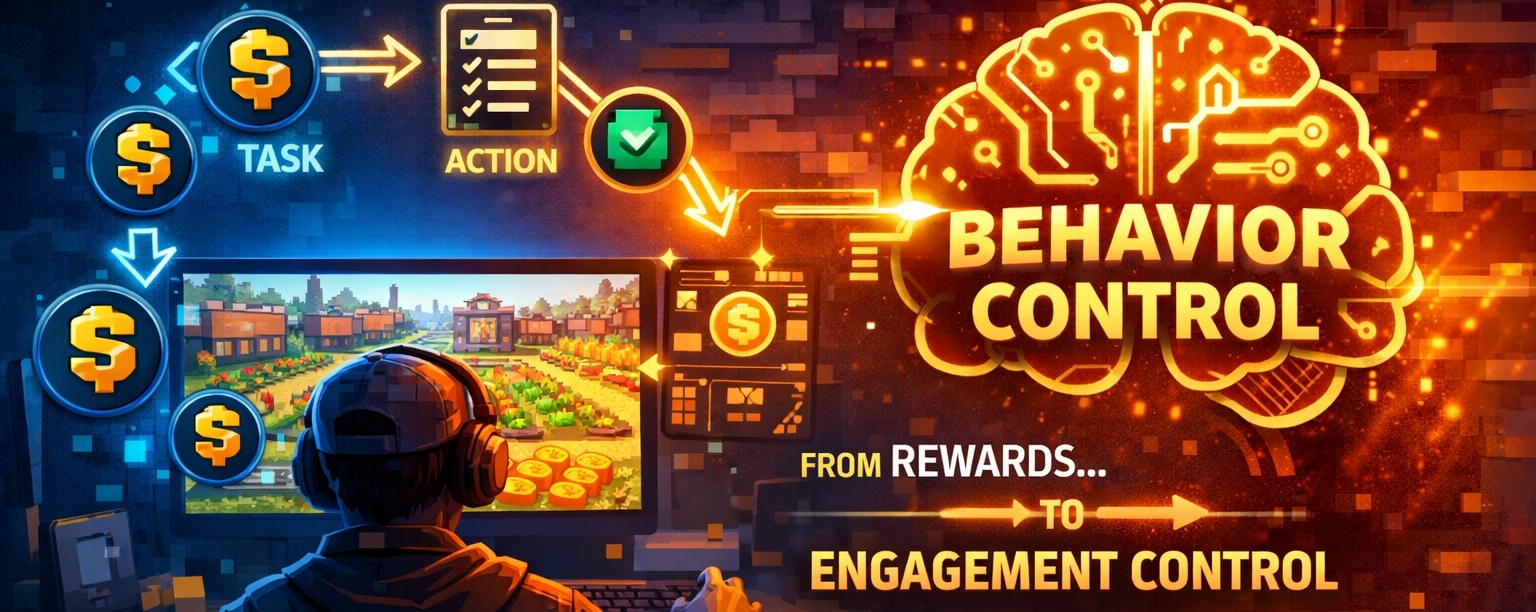
I didn’t notice it at first… but the more time I spend inside @Pixels the more it feels like rewards aren’t just rewards anymore.
They’re instructions.
On the surface it still looks simple play the game complete tasks earn $PIXEL . Nothing new right? We’ve seen this loop many times in Web3 gaming.
But Pixels is doing something slightly different with its Stacked reward structure.
Instead of pushing $PIXEL directly into circulation rewards are increasingly tied to specific in-game actions land usage crafting cycles progression loops. That means you don’t just earn… you’re guided.
This matters because it reduces immediate sell pressure. You can’t just farm and exit easily. The system nudges you to reinvest back into the game.
From an economy design perspective this is actually smart.
It slows down token leakage and keeps value circulating internally longer.
But there’s also a trade-off.
When rewards become structured like this gameplay starts shifting toward optimization. You’re no longer just playing for fun… you start thinking in loops efficiency output.
That’s where it gets interesting.
Because $PIXEL stops behaving like a simple reward token it becomes an engagement control mechanism.
And if you look at recent direction of Web3 gaming this aligns with a bigger trend: moving away from short-term emission farming toward systems that prioritize retention.
So the real question isn’t whether is growing.
It’s whether players will stay once they realize the system is not just rewarding them…
but shaping how they play.
Because if that balance holds becomes more than a token.
It becomes a signal of participation inside a managed game economy.
And honestly…
that’s a very different kind of game.
I have honestly study about pixel token is lunch is good blockchain it's like me a token.
Please read my All article and share your thoughts about my article and like comment and share my article thanks.its like a mem coin $bonk $pepe.