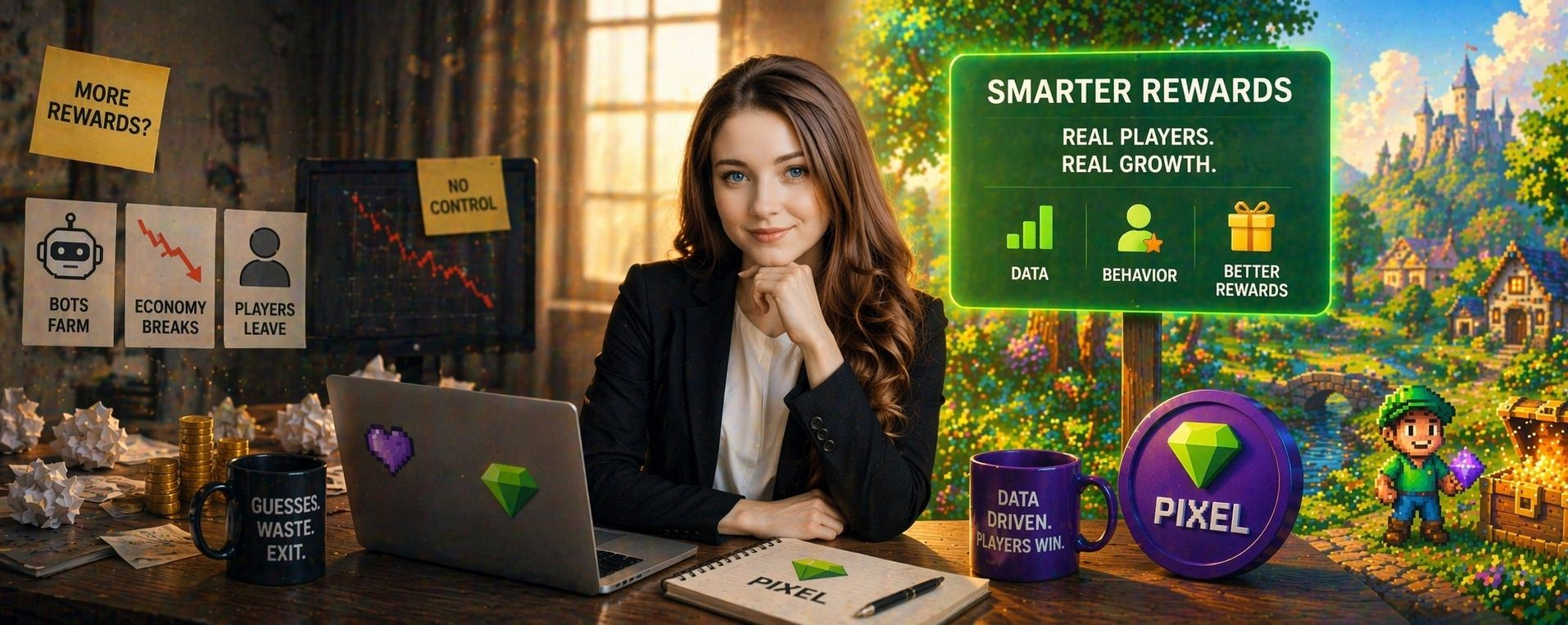

There was a time when I thought building a reward system was easy.
You create a few tasks.
Attach some incentives.
And let users do the rest.
Simple.
At least… that’s what it looks like from the outside.
But after watching how most projects played out, I realized something
the problem was never creating rewards.The problem was everything that comes after
Because the moment real users enter the system, things start to break.
Not slowly. Fast.
People find shortcuts.
Bots start farming.
Multi-accounts appear out of nowhere.
And suddenly, the system you thought was “fair” is being drained from every direction.
That’s where most projects lose control.
Not because they didn’t have good ideas
but because they underestimated how users would actually behave.
And honestly, that’s the hardest part.
You’re not designing for perfect users.
You’re designing for real ones.
That’s why something about Pixels feels different.
They didn’t just design a reward system.
They went through the failure phase first.
They saw what happens when incentives are too open.
They experienced how quickly value can leak.
They dealt with the messy side of real usage.
And instead of ignoring it, they built around it.
That’s where the idea of a “moat” starts to make sense.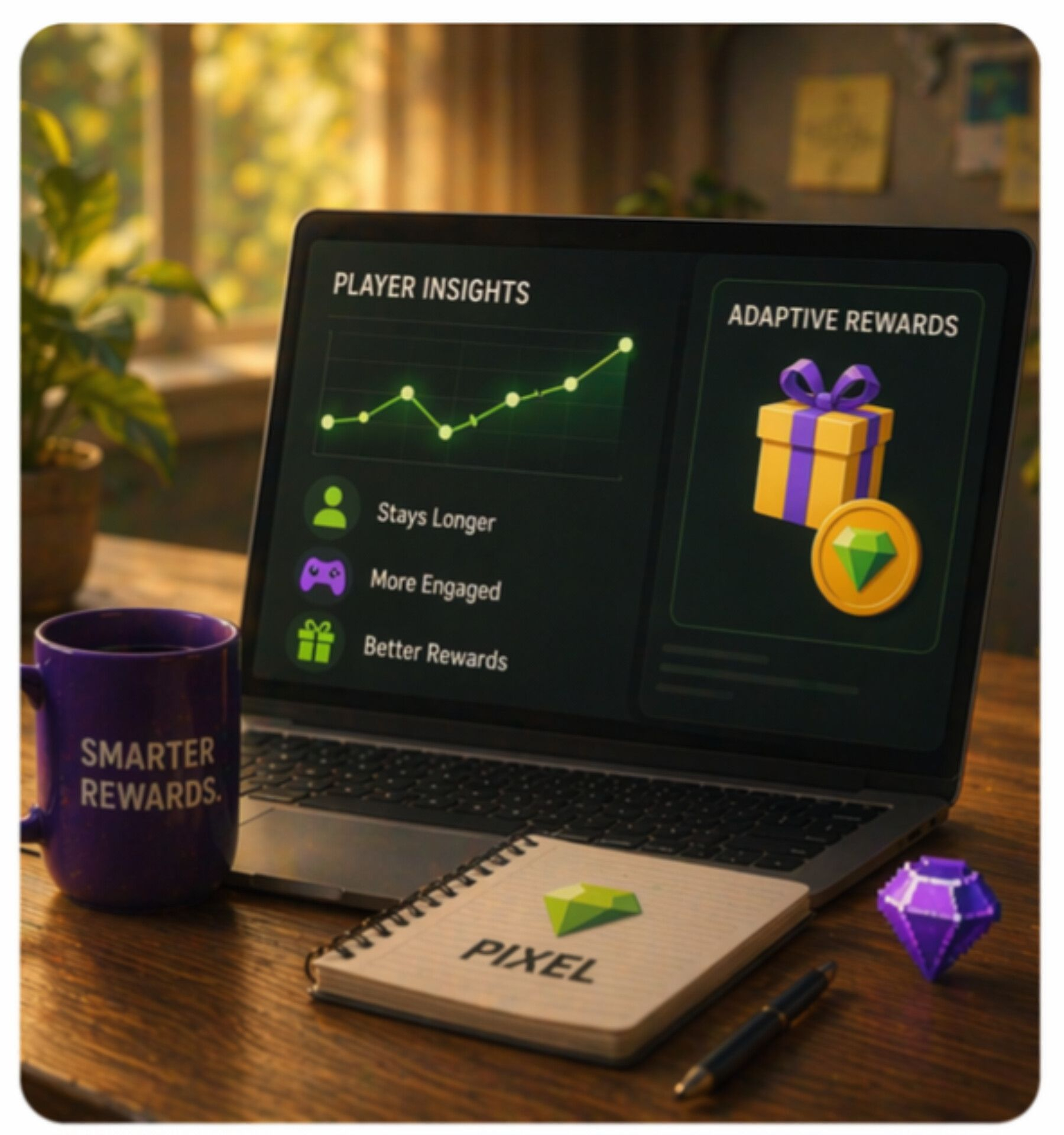
Because in this space, a moat isn’t just about having a cool feature.
It’s about having things that are hard to replicate.
And in the case of Stacked, that moat isn’t just the rewards.
It’s everything behind them.
Things like:
fraud prevention
anti-bot systems
behavior tracking at scale
understanding which players actually matter
These aren’t features you can just copy overnight.
They take time.
They take data.
And more importantly, they take mistakes.
A lot of them.
Most projects try to skip that phase.
They launch something new, hoping it works from day one.
But systems like this don’t work like that.
They need pressure.
They need real users testing every edge case.
They need to fail… and then adapt.
That’s what makes something resilient.
And that’s what Pixels seems to be building toward.
When you think about it, anyone can launch a quest board.
“Do this → get that.”
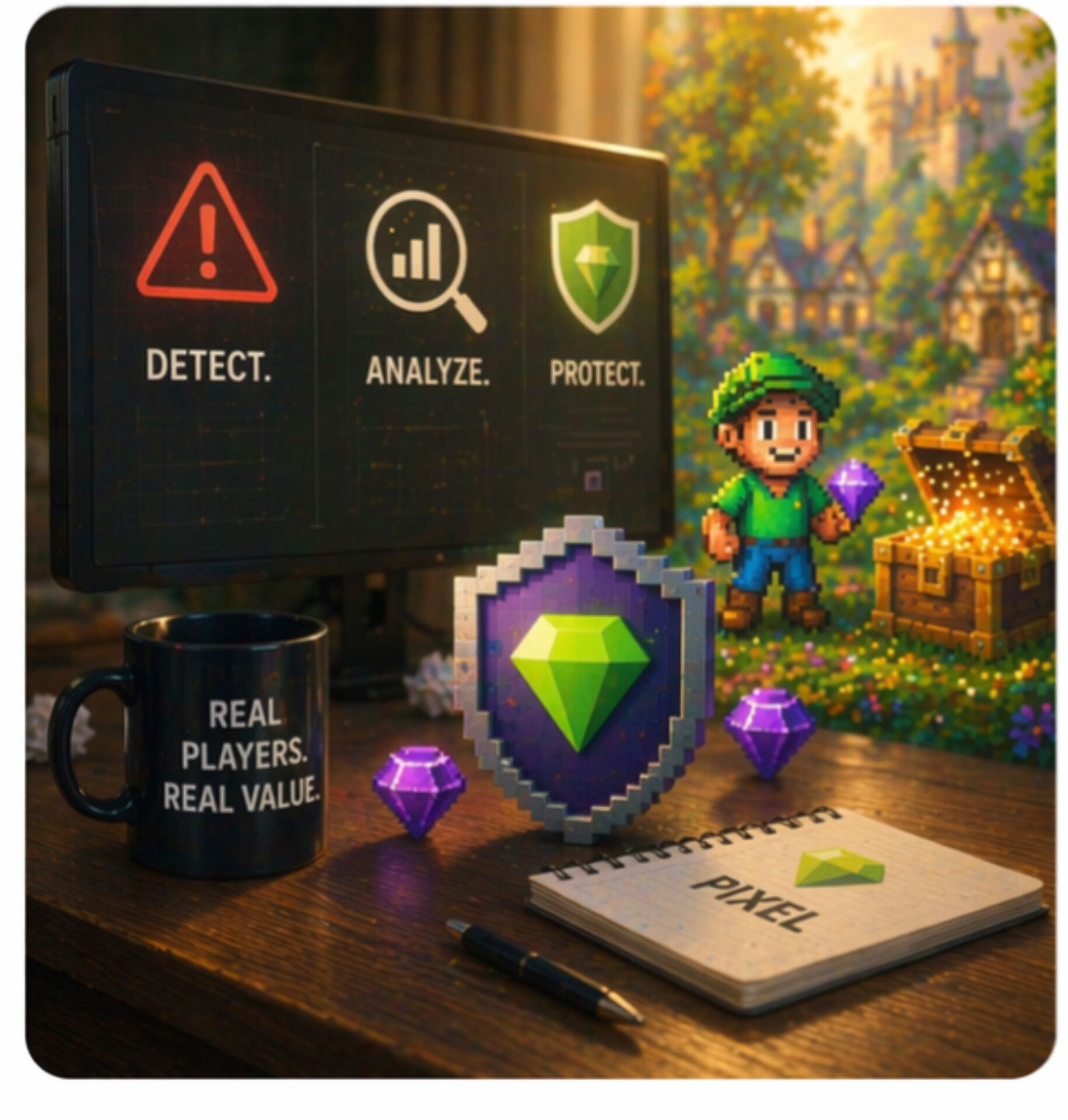
But very few can build a system that:
knows when a reward is being abused
adjusts before the system breaks
and still keeps real players engaged
That’s not just design.
That’s experience.
And that’s where PIXEL becomes part of something bigger.
Because if the system around it is stronger,
the way the token is used becomes more controlled.
Less waste.
Less exploitation.
More meaningful distribution.
And over time, that’s what creates stability.
Not hype.
Not sudden spikes.
But a system that doesn’t collapse under pressure.
Another thing I keep thinking about is how this scales.
It’s one thing to manage this inside a single game.
It’s a completely different challenge to expand it across multiple games.
Different player behaviors.
Different reward loops.
Different ways people try to exploit the system.
If Stacked can handle that, then the moat gets even stronger.
Because now it’s not just about one ecosystem.
It becomes a shared layer that multiple games rely on.
And once something reaches that point,
it’s not easy to replace.
I’m not saying this is guaranteed.
There are still a lot of moving parts.
A lot of things that need to go right.
But compared to projects that only focus on surface-level features,
this feels like it’s going deeper.
Focusing on the parts most people ignore.
And usually, that’s where the real value sits.
Because at the end of the day,
it’s not the reward that matters most.
It’s the system deciding who gets it… and why.
That’s the part that’s hard to build.
That’s the part that takes time.
And that’s probably why @Pixels is still here,
while so many others quietly disappeared.