
A failed rescue operation in the Mediterranean Sea has brought renewed attention to the growing dangers facing global shipping routes amid escalating geopolitical tensions. The Russian tanker Arctic Metagaz, which has been drifting for weeks following a drone attack, remains stranded after attempts to tow it to safety were unsuccessful.
According to Libyan maritime authorities, the towing mission collapsed when the cable snapped, leaving the heavily damaged vessel adrift roughly 120 nautical miles north of Benghazi. The ship is carrying approximately 700 tons of fuel along with a significant volume of natural gas, raising serious concerns about a potential environmental disaster if leaks occur.
The tanker sustained critical structural damage in early March after being struck near Malta. Since then, it has remained unmoored, with its crew having abandoned the vessel shortly after the attack. Experts warn that the situation poses both navigational hazards and ecological risks, particularly in the environmentally sensitive waters of the Mediterranean.
The Arctic Metagaz is reportedly part of Russia’s so-called “shadow fleet,” a network of vessels operating under changing identities to bypass international sanctions. This has complicated both tracking efforts and accountability, especially as tensions linked to the Russia-Ukraine War continue to spill into global trade routes.
The broader maritime environment has become increasingly volatile. Recent military escalations in the Middle East, including disruptions in the Strait of Hormuz, have already strained global shipping. In parallel, actions such as the seizure of vessels and potential renewed threats in the Red Sea have heightened uncertainty for commercial operators and international regulators alike.
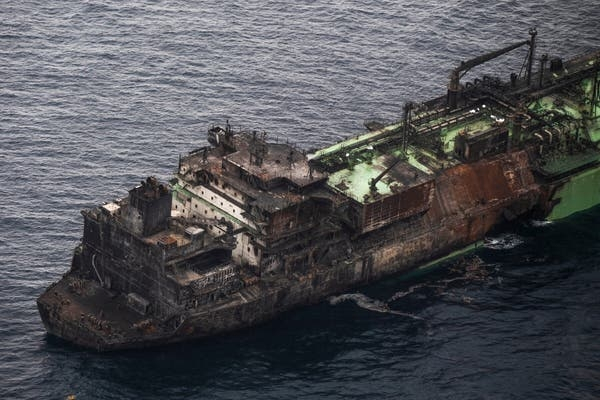
This incident underscores a shift toward a more dangerous maritime landscape, where commercial vessels are increasingly exposed to conflict-related risks. The lack of a successful salvage operation also highlights the logistical and security challenges involved in responding to such crises, particularly when vessels are located in politically sensitive or unstable regions.
Authorities have advised ships to maintain a safe distance from the drifting tanker and remain vigilant for any signs of leakage or emergency. Meanwhile, international organizations and regional stakeholders are under pressure to coordinate a response before the situation escalates further.
As geopolitical tensions continue to intersect with global trade, the fate of the Arctic Metagaz serves as a stark reminder of how quickly maritime risks can evolve into environmental and economic threats.
#MaritimeSecurity #GlobalTrade #Geopolitics #EnvironmentalRisk #ShippingCrisis


