
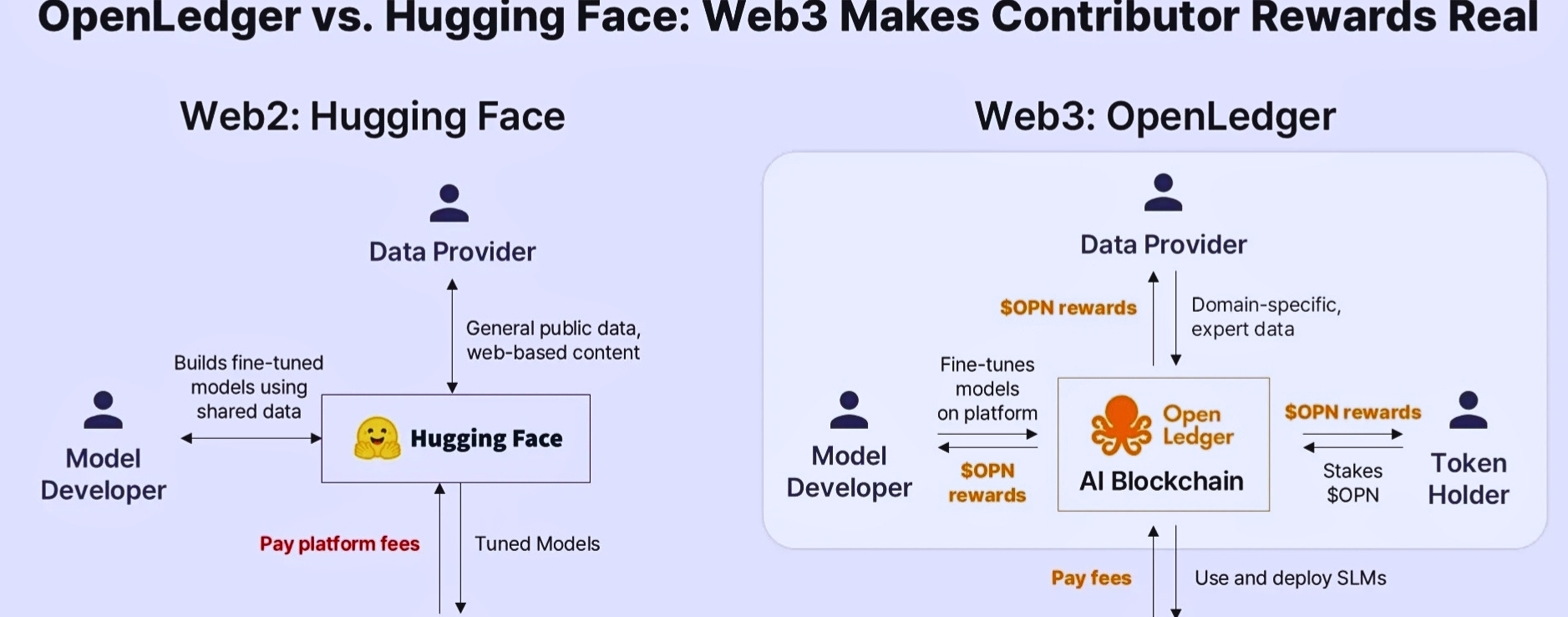
Some ideas sound small the first time you hear them.
You read a term once, nod slightly, and move on without thinking much about it.😏
Then somehow it comes back again.
Maybe while reading through docs late at night.
Maybe during a random discussion.
Maybe while scrolling through posts that all start sounding the same until one concept quietly sticks in your head longer than expected.
That is exactly how Proof of Attribution started feeling to me.
At first, I honestly treated it like another technical phrase inside the endless AI and crypto vocabulary. Something abstract. Something easy to overlook. But the more I kept thinking about AI systems and how value actually gets created around them, the more uncomfortable one realization became.
The modern AI economy runs on contributions.
Yet contributions are also the easiest thing to erase.
People provide data.
Communities generate conversations.
Users give feedback.
Researchers refine models.
Builders improve systems layer by layer.
All of these tiny actions slowly compound into intelligence.
Then eventually the system grows larger.
Products get launched.
Companies gain traction.
Capital flows in.
Valuations rise.
Entire ecosystems form around the output.
But somewhere in that process, the original contributors slowly disappear from view.
The intelligence remains visible.
The people behind pieces of that intelligence do not.
And the more I sit with that reality, the more it feels less like a technology issue and more like an incentive issue.
Because incentives shape behavior more than people realize.
If contributors believe their role will eventually vanish into a black box, participation changes. Long-term thinking weakens. Everyone starts optimizing for extraction because the system itself quietly teaches them that ownership and recognition are temporary.
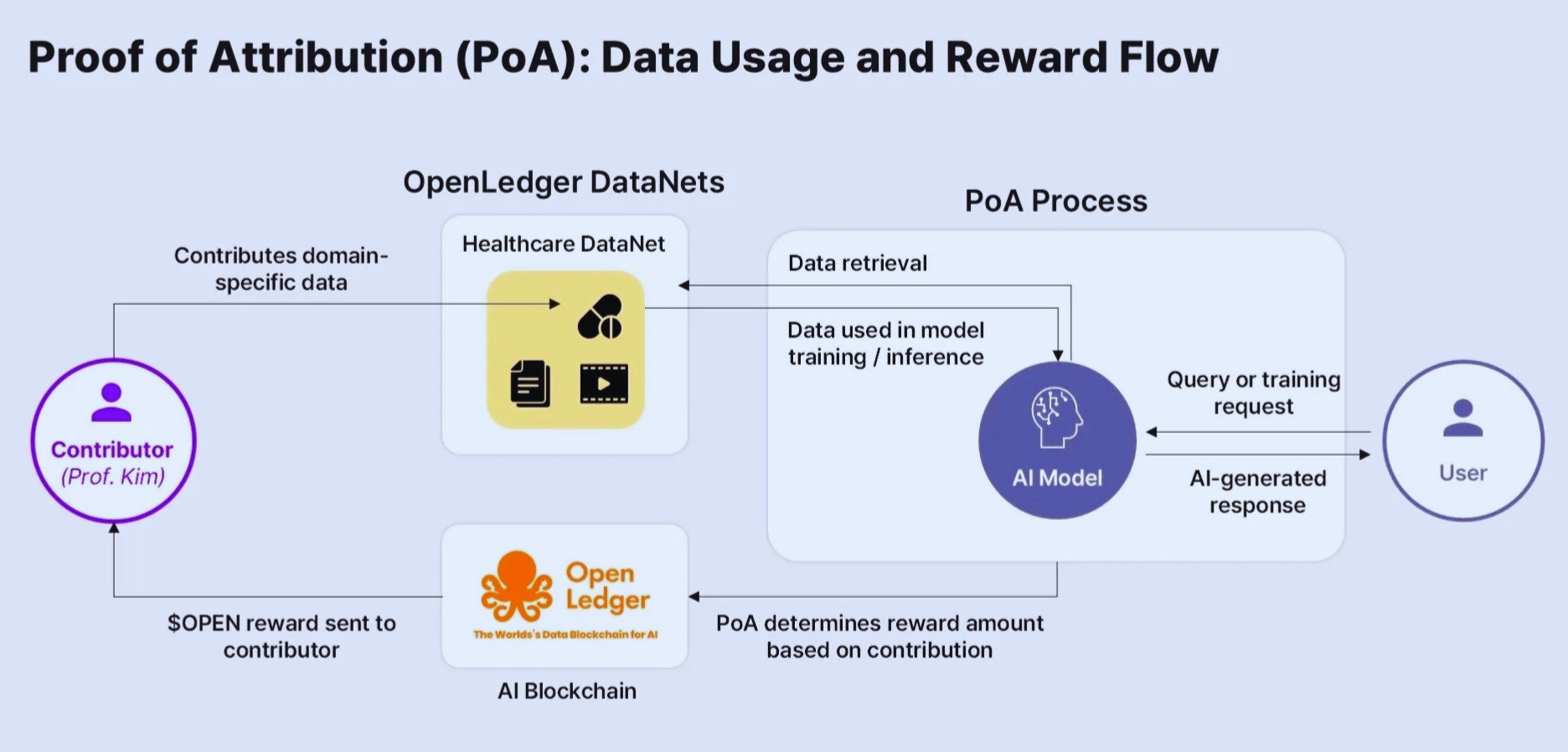
That is where Proof of Attribution started becoming interesting to me.
At least at the idea level, it attempts to say something different:
If data, feedback, validation, or knowledge helps improve a system, maybe the connection between contribution and outcome should not completely disappear.
I think many people see this only as a reward mechanism.
But honestly, it feels deeper than that.
To me, it almost feels like an attempt to give digital systems memory.
Because the internet today is extremely good at consuming contributions, but surprisingly bad at remembering where value originally came from.
You might contribute data that improves a future model.
You might help validate outputs that increase reliability.
You might provide niche expertise that shapes future behavior in subtle ways.
Yet in most traditional systems, all of that eventually gets absorbed into something opaque. The final product becomes visible, but the trail behind it fades away.
Proof of Attribution at least tries to keep that trail visible instead of pretending value appeared from nowhere.
Now obviously, I do not think this magically solves everything.
Real-world execution is always harder than the theory.
Crypto systems can absolutely be manipulated.
Spam, fake contributions, low-quality data, and attribution abuse will always exist in some form.
But even with all those challenges, I still think the direction matters.
Because sustainable ecosystems are not built only on capability. They are built on trust.
And trust grows when people feel the system acknowledges that they mattered in the creation process.
That is probably why concepts like DataNets and Proof of Attribution keep standing out to me whenever I look deeper into OpenLedger.
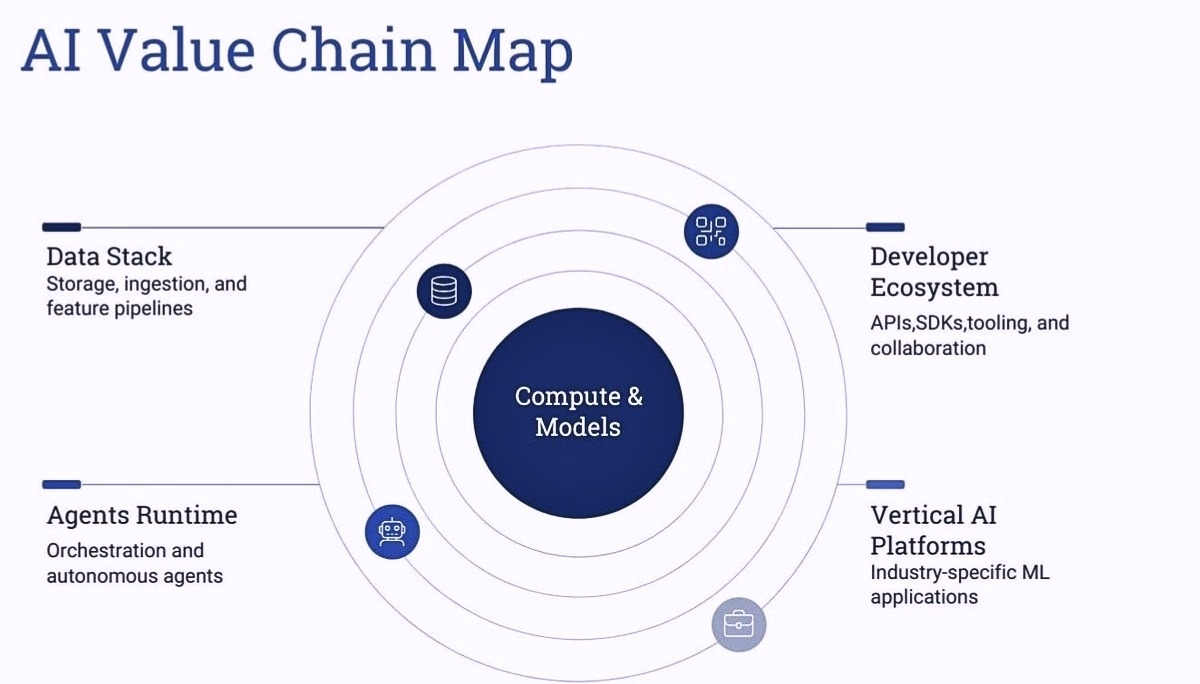
What I find interesting is that it does not try to position AI as some magical force that appears independently from human participation. Instead, it quietly raises a much harder question:
If intelligence is built collectively, why should the long-term value become completely disconnected from the people who helped create it?
I do not think there is a perfect answer to that yet.
Maybe future systems will still be flawed.
Maybe attribution will never become fully accurate.
Maybe contribution tracking itself will introduce entirely new problems.
But even then, attempting to preserve the connection feels more meaningful than simply allowing every contribution to disappear into invisible infrastructure forever.
Because people build differently when they believe their effort can remain connected to future outcomes.
And maybe that becomes one of the most important shifts in the next era of AI.
Not just smarter models.
Smarter ownership.
Smarter attribution.
Smarter incentives around intelligence itself.
That is why the more time I spend thinking about Proof of Attribution, the harder it becomes to dismiss as “just another feature.”🙄