


You know, last month I was sitting in my office staring at a bunch of charts from different AI projects, and it hit me how many of them promise the world but fizzle out once the initial buzz dies. Back in '25, I jumped into a couple of these early on, threw some capital at the hype around decentralized data for models. Made a little, lost more when people stopped showing up. That's what got me paying attention to OpenLedger. It wasn't some flashy launch that sucked me in. It was the way they talk about actually tracking who contributes what, on-chain, so you can see the provenance of the data and get paid fairly. Felt different from the usual black box stuff.
I've been trading crypto for over eight years now, mostly focused on infrastructure plays that have some real utility beyond just holding bags. OpenLedger launched its mainnet around mid-2025, with the token hitting an all-time high of about $1.85 back in early September that year. That was the peak frenzy period. Since then, it's settled down to trading around $0.18 to $0.19 these days, with a circulating supply hovering near 215 million tokens. In practice, that means the market cap is sitting in the $38-40 million range lately. Not huge, but not dead either. Volume has been decent on some days, spiking over $15-20 million when there's news, but it quiets down fast.
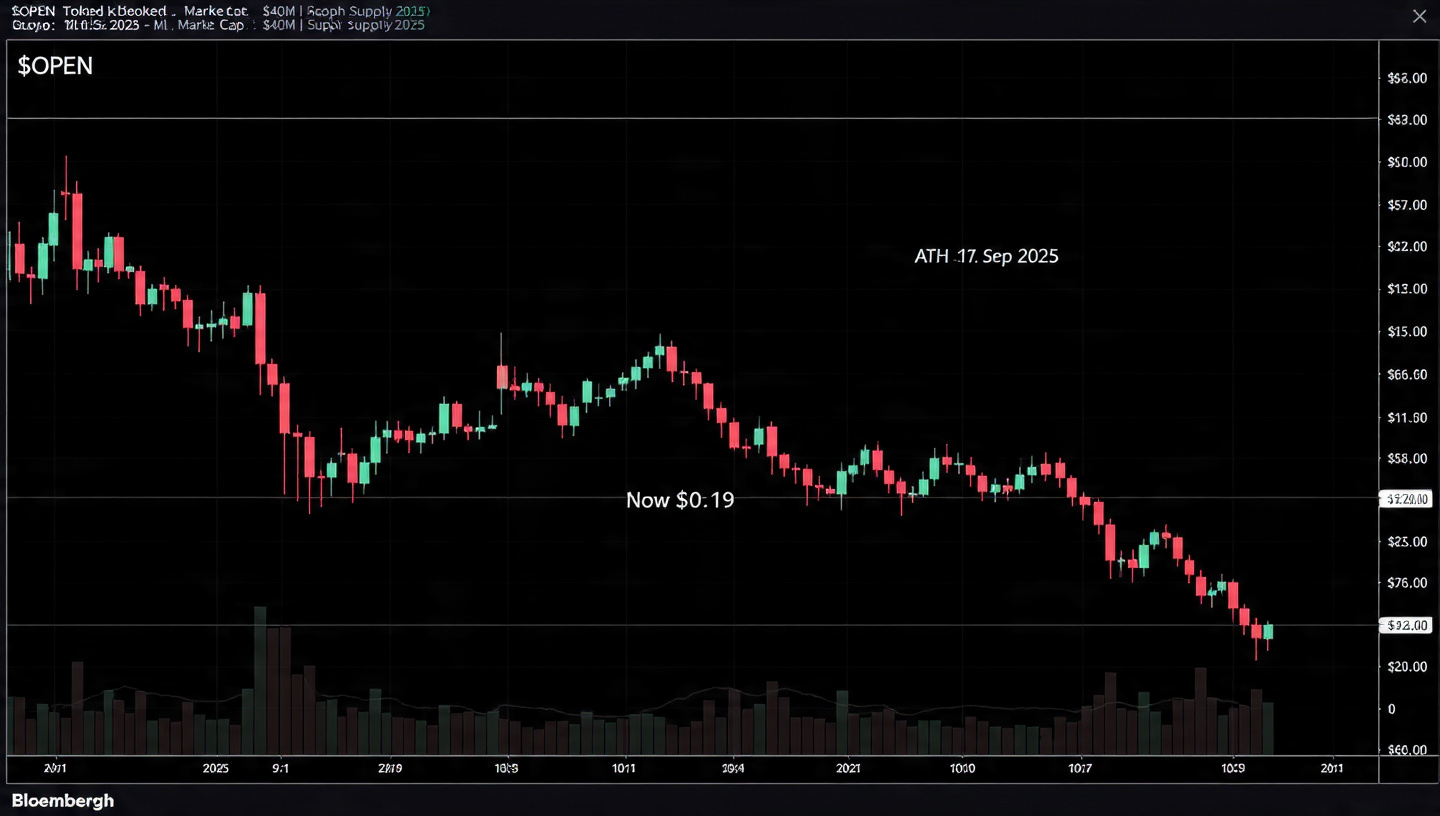
The whole idea is straightforward. They built this blockchain specifically for AI stuff—Datanets, they call them, where regular people upload data, help train specialized models, and everything gets recorded transparently. Governance, rewards, even inference calls, all on-chain. No more wondering if your contribution actually mattered or if some big company just hoovered it up without credit. In theory, you stake the $OPEN token, contribute compute or data, and earn based on real attribution through their Proof of Attribution system.
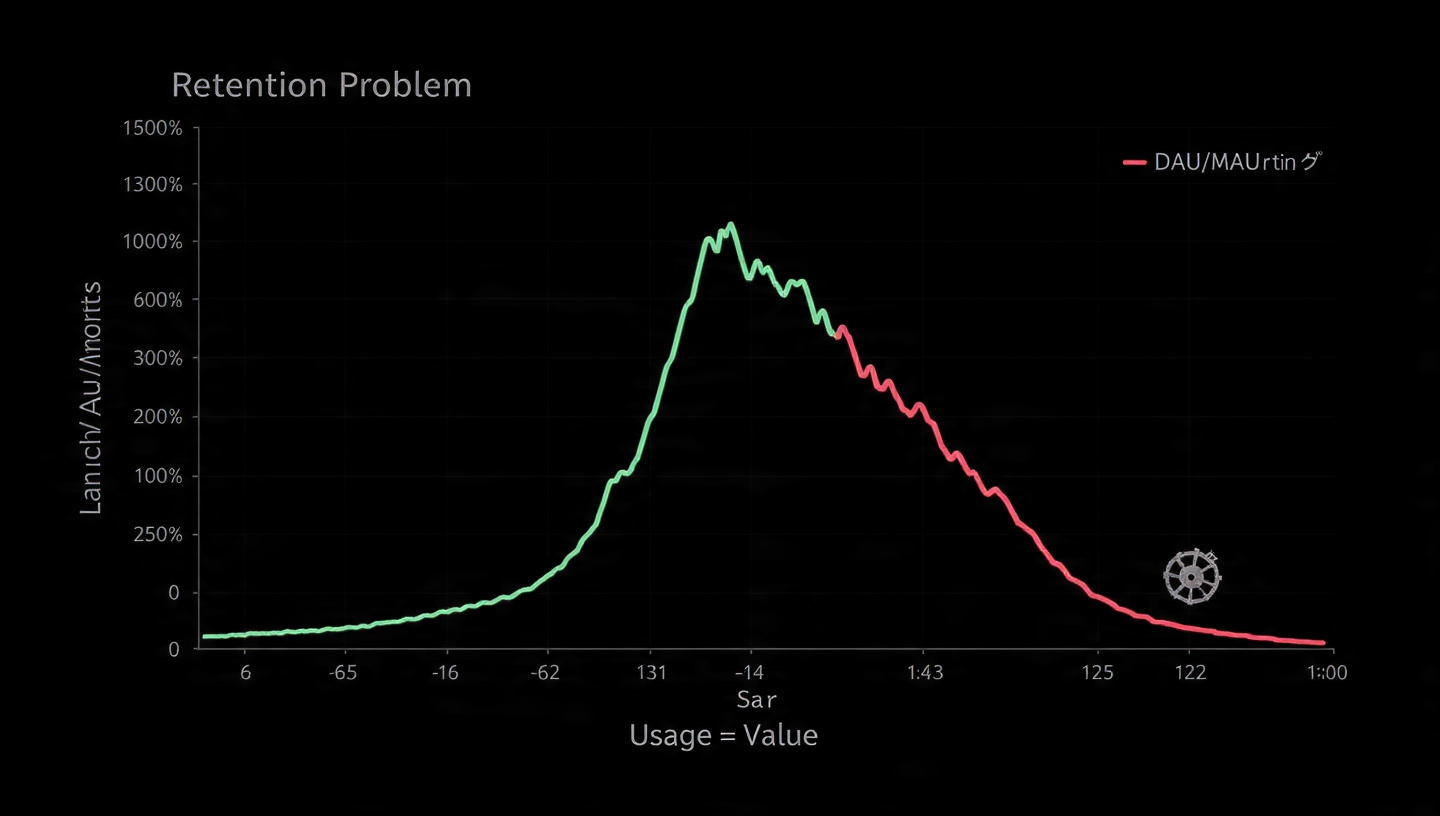
Here's where I start thinking out loud though. The retention problem is a big deal for something like this, and it's not getting enough honest talk. You've seen it before in these spaces—people flood in for the airdrop farming or initial incentives, pump the activity numbers for a few weeks, then drift away. OpenLedger's no exception so far. Early metrics showed solid onboarding, but keeping folks active long-term? That's the tough part. Why does it matter so much? Because without steady participation, the network doesn't generate consistent fees or data quality improvements. The token's value relies on actual usage—staking for models, paying for inferences, rewarding contributors. If most users show up once, claim rewards, and bounce, the economic flywheel stalls. In simple terms, it turns the project into a one-time event rather than a living ecosystem. That drags on the token price over months and years because demand stays speculative instead of utility-driven. I've watched similar setups where DAU/MAU ratios tank after the first quarter, and suddenly the token's just bleeding value on low volume.
Don't get me wrong, the transparency angle is solid. Every contribution is traceable, which should build trust over time. But in the middle of all this, one real weakness stands out: building and keeping quality validators is hard. You need experts who can actually check data for specific domains, and incentivizing them consistently without overpaying or underdelivering isn't easy. They've got challenges there, especially early on, and if validation lags, the whole attribution system loses credibility fast. That's not fatal, but it's a grind that could slow adoption.
I've been watching their on-chain activity. Transaction counts and model deployments picked up after launch, but sustaining that into 2026 has been spotty. Real numbers? Daily active contributors aren't public in huge detail, but from what circulates in the community chats, it feels like they've got a core group sticking around while the broader user base has dropped off. That's the retention issue biting. It affects the token directly because fewer ongoing interactions mean less token burn or utility sinks. Price stays range-bound, vulnerable to broader market moves rather than climbing on organic growth.
You ever wonder why some of these projects feel exciting at first but turn into ghost towns? Is it the tech, or just human nature—chasing the next shiny thing? For OpenLedger, the bet is that transparent participation will pull in serious data owners and developers who want fair pay and verifiable outputs. No hype, just people getting rewarded for real input that improves models anyone can use.
That said, one thing I appreciate is how they're not pretending it's all solved. They're focusing on liquidity for data and models, trying to make participation pay in a way centralized AI never does. Still, execution on retention will decide if this lasts.
My personal honest take? Yeah, I'd keep watching it, but with a small position and realistic expectations. It's not a moonshot I'm all-in on, but the idea of transparent AI has legs if they crack the keeping-people-around puzzle. Could be worth a look if you're into the space, but don't bet the farm.