
Peer-to-peer (P2P) trading has become one of the most popular ways to buy and sell crypto. It feels fast, easy, and convenient. But behind the speed and profits, there are risks that many traders only understand after facing a serious problem.
I learned this the hard way.
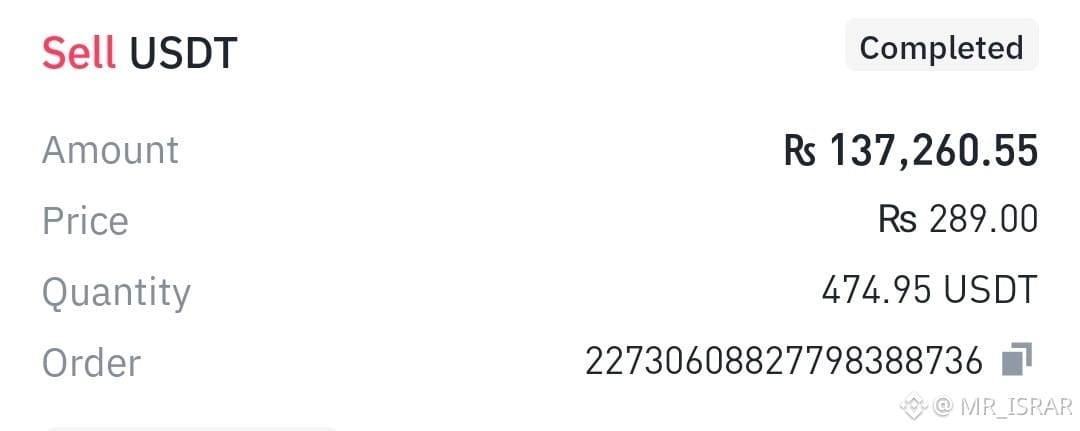
Almost one year ago, I completed a Binance P2P transaction and received PKR 137,260 in my HBL bank account. At first, everything looked normal. The payment was received successfully, the crypto was released, and the trade was completed without any warning signs.
But shortly after that transaction, my HBL account was suddenly frozen and later deactivated.
When I contacted the bank, they informed me that a claim had been raised through EasyPaisa regarding the transferred amount. I immediately started contacting both HBL and EasyPaisa to clear the misunderstanding. After weeks of follow-ups, EasyPaisa confirmed that the claim had already been reversed and removed.
Yet the problem did not end.
Even after the claim was removed, my bank account remained blocked. Months passed. I visited the branch again and again, submitted explanations, shared transaction details, and continuously followed up with customer support. The same case has now been ongoing for almost one full year without a proper resolution.
The most painful part is that a single P2P trade completely changed my banking experience. Funds became inaccessible, daily financial activities were affected, and the stress of dealing with banks, complaints, and investigations became exhausting.
This situation taught me something important:
Not every successful P2P transaction is truly “safe.”
Sometimes the risk does not come from Binance itself. The problem can start from the payment source, third-party wallets, disputed funds, or suspicious activity linked to the sender. Even if you personally did nothing wrong, your bank account can still become part of an investigation.
That is why every trader should think carefully before placing a P2P trade.
Important Lessons Every P2P Trader Should Know
1. Never Trust New or Unverified Buyers
Always trade with highly rated merchants who have strong completion rates and long trading history. Avoid random users offering unrealistic prices.
2. Check the Source of Funds
If the sender’s payment name does not match the verified Binance account name, avoid releasing crypto immediately. Third-party payments can create serious banking problems later.
3. Avoid Suspiciously Large Transactions
Large amounts can trigger bank reviews and compliance checks, especially in countries with strict crypto regulations.
4. Keep Complete Records
Always save:
Binance trade IDs
Chat screenshots
Bank statements
Payment proofs
Appeal records
These documents become extremely important if a dispute happens later.
5. Use Separate Banking Accounts for P2P
Many experienced traders avoid using their primary salary or family account for crypto-related P2P activities.
6. Understand Your Country’s Banking Environment
Even when crypto trading exists online, local banking systems may still treat related transactions as high risk. Research your bank’s behavior toward crypto-related activity before trading.
7. Do Not Release Crypto Under Pressure
Scammers often create urgency. Confirm the payment properly inside your bank account before releasing assets.
Final Thoughts
P2P trading can be profitable and useful, but it is not risk-free.
One wrong transaction, one disputed payment, or one suspicious sender can create problems that last for months or even years. Many traders only focus on profit, but very few prepare for the banking consequences that may follow.
So before placing your next P2P trade, pause for a moment and ask yourself:
Is this trade really worth the risk?
Think before placing a P2P trade.