


One of the most persistent misunderstandings in Web3 is the belief that access to data is the same thing as understanding data. If an API exists, if information can be fetched, if numbers can be delivered onchain, the problem is assumed to be solved. This assumption worked in the early days of crypto when systems were simple and consequences were limited. It breaks down completely once data begins to drive economic behavior at scale.
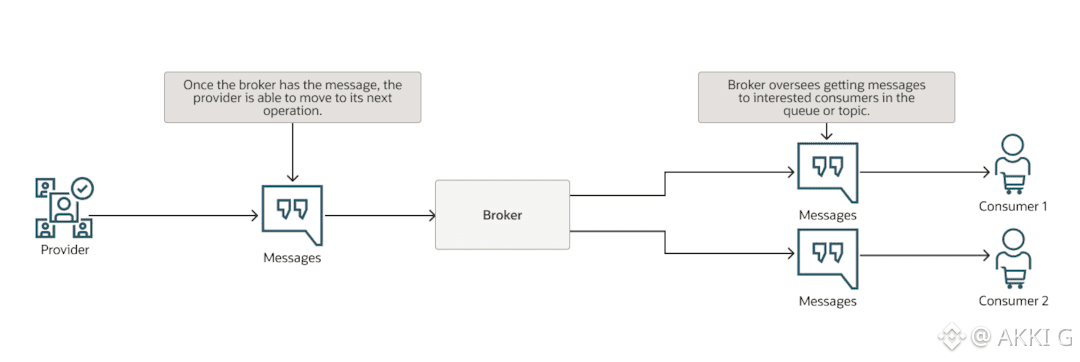
Raw data is not neutral. It is incomplete, contextual, and often misleading without interpretation. An API response is just a snapshot of a system at a moment in time. It does not explain why that value exists, how stable it is, or whether it should be acted upon. When smart contracts consume raw data directly, they inherit all of that ambiguity without any capacity for judgment.
APRO Oracle is built around the idea that oracles should not merely transport data. They should translate it into economic signals that systems can act on responsibly.
The difference between data and signal is subtle but decisive. Data answers the question what happened. A signal answers the question what does this mean. Markets, protocols, and automated systems do not need more data. They need better signals.
This distinction becomes obvious during periods of stress. Consider a sudden price move reported by an API. Was it caused by genuine demand, or by a single thin trade. Did liquidity support the move, or did it occur in a vacuum. Is the move likely to persist, or is it already reverting. Raw data cannot answer these questions. Acting on it blindly often produces damage.
APRO’s approach acknowledges that interpretation is unavoidable. Instead of pretending that numbers speak for themselves, it builds oracle logic that evaluates context before allowing data to influence onchain decisions. This does not mean predicting markets. It means distinguishing between noise and information.
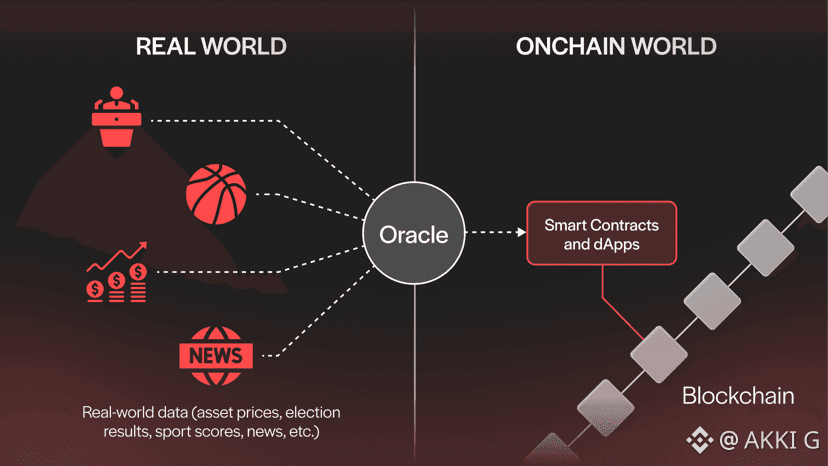
Most API driven oracle systems treat all inputs equally. If a number is returned, it is published. If it changes, it is updated. This mechanical behavior is easy to implement and easy to explain. It is also easy to exploit. Attackers thrive in environments where systems react reflexively.
By contrast, APRO treats data ingestion as the beginning of a process, not the end. Inputs are evaluated against broader conditions. Liquidity depth, source reliability, timing, and divergence all matter. The result is a signal that reflects not just what was observed, but how much confidence should be placed in that observation.
This shift is essential because modern DeFi systems do not merely display information. They execute irreversible actions. Liquidations, settlements, rebalances, and payouts happen automatically. The cost of acting on misleading data is far higher than the cost of waiting for clarity.
Another reason raw data is insufficient is that APIs reflect the incentives of their providers. Exchanges may report prices differently based on internal mechanics. Data aggregators may smooth or filter values. Reporting delays may be intentional. Treating all APIs as objective truth ignores these incentives.
APRO’s design places significant emphasis on understanding where data comes from and why it looks the way it does. Provenance is part of interpretation. A signal sourced from deep, competitive markets carries different weight than one sourced from a single venue with low liquidity.
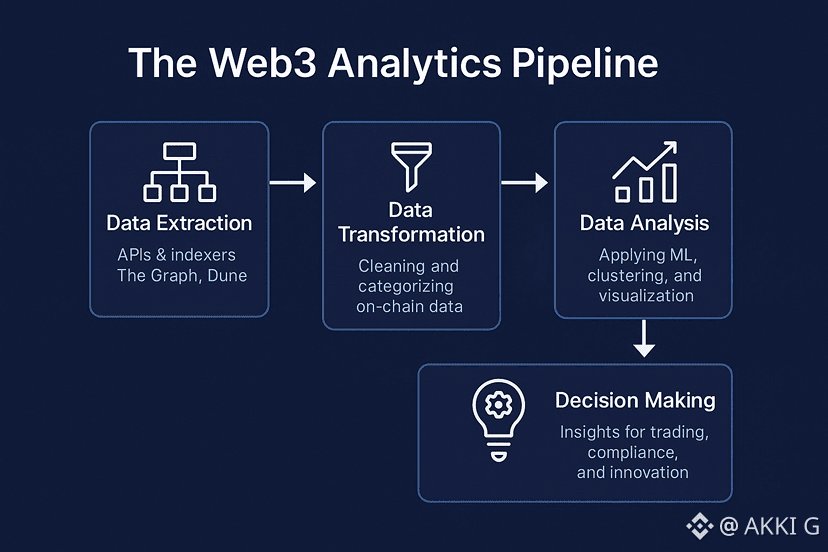
This approach becomes even more important as oracles move beyond prices. Real world data often arrives through APIs designed for reporting, not for automated execution. Corporate filings, economic indicators, compliance events, and asset status updates all require interpretation.
An earnings report delivered via API is not immediately actionable without context. Was it expected. Was it revised. Does it apply universally or selectively. Binary consumption of such data by smart contracts would be reckless.
APRO’s philosophy suggests that oracles must act as interpreters rather than couriers. They must bridge the gap between informational systems built for humans and execution systems built for machines.
From a developer perspective, this transformation from data to signal simplifies application design. Instead of building complex logic to evaluate raw inputs, developers can rely on oracle outputs that already reflect contextual judgment. This reduces errors and improves user experience.
From a user perspective, signal-based oracles produce outcomes that feel coherent. Systems respond to sustained conditions rather than momentary noise. Losses feel like market risk rather than system failure. Gains feel earned rather than accidental.
Quantitatively, the difference between data-driven and signal-driven systems shows up in volatility amplification. Systems that act on raw data tend to overreact. Systems that act on signals dampen extremes. This reduces tail risk and preserves capital.
APRO’s architecture appears designed to capture this benefit. By filtering data through contextual evaluation, it reduces unnecessary execution while preserving responsiveness to meaningful change.
There is also a governance implication here. When systems rely on raw data, governance is forced to intervene frequently to patch behavior. When systems rely on signals, governance can focus on refining interpretation rather than reacting to noise.
As Web3 moves toward greater automation and integration with real-world processes, the need for signal-based oracles will only increase. Machines cannot intuit context. They require it to be encoded.
APRO’s design recognizes this necessity. It does not assume that APIs will magically become fit for economic execution. It accepts that translation is required and builds accordingly.
My take is that the future of oracles is not about collecting more data. It is about producing better signals. The projects that understand this will shape how onchain systems behave under real conditions.
APRO Oracle’s emphasis on interpretation over transportation positions it well for that future. By turning raw inputs into meaningful economic signals, it makes automation safer, markets calmer, and outcomes more human.
In an ecosystem increasingly driven by machines, that human layer of judgment embedded into infrastructure may be the most valuable feature of all.