
Most traders think being a pro means stacking five indicators, drawing messy lines, and staring at charts all day. In reality, many professionals survive with just one indicator and a solid understanding of market psychology. One of the most underrated yet powerful tools is MACD. Simple, clean, and brutally honest.
MACD works because it shows momentum and trend at the same time. It does not predict the future, it shows what is already happening under the hood. When the MACD line crosses above the signal line, it means momentum is shifting bullish. When it crosses below, momentum is turning bearish. That is it. No magic, no fantasy, just data.
Tutorials
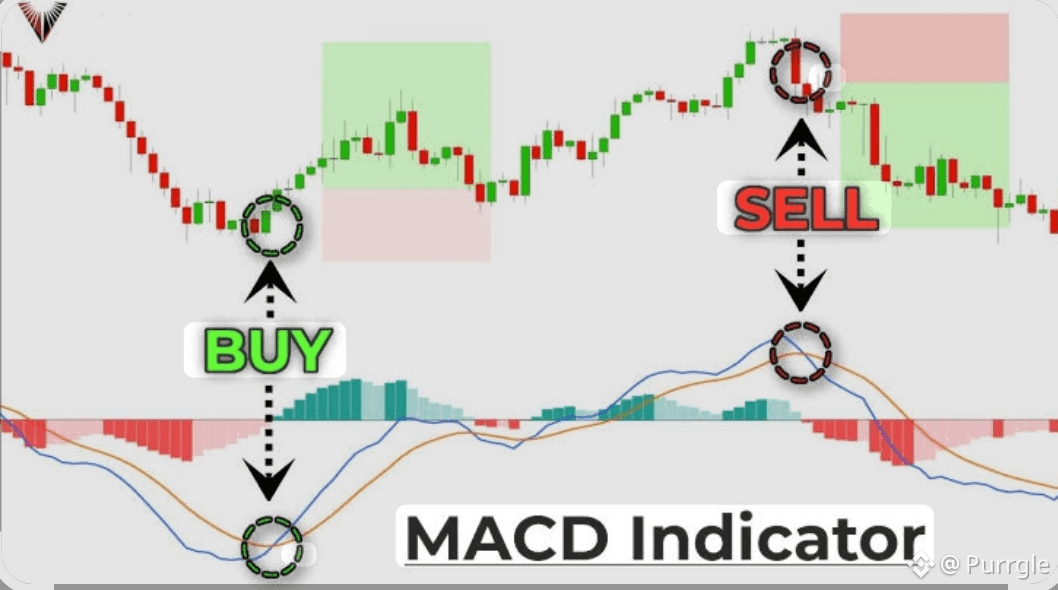
Now let’s talk about how to actually use MACD like a pro, step by step, without overthinking it.
1. Only trade in an uptrend. This alone will save you from most losses. Add MA 200 to your chart. If price is above the MA 200 and moving upward, that means the trend is bullish. That is the kind of coin you want to trade. If price is below it and struggling, ignore it. Trading against trend is where most beginners die.
2. Adjust your timeframe based on your style. If you are scalping and want faster entries, 15 minutes works well because MACD reacts quicker. If you want higher accuracy and less noise, use 4 hours or even 1 day. Higher timeframe means fewer trades, but usually cleaner signals. Pros care more about quality than quantity.
3. Understand the zero line. This part is very important and often ignored. The zero line is the middle of the MACD histogram. You want to buy when MACD makes a bullish cross below the zero line. This usually means momentum is shifting early, before the crowd enters. That is where the best risk to reward happens. On the other side, when MACD is above the zero line and starts crossing down, that is where you take profit or consider shorting. Above zero means price is already extended, so risk is higher.
Practical Example
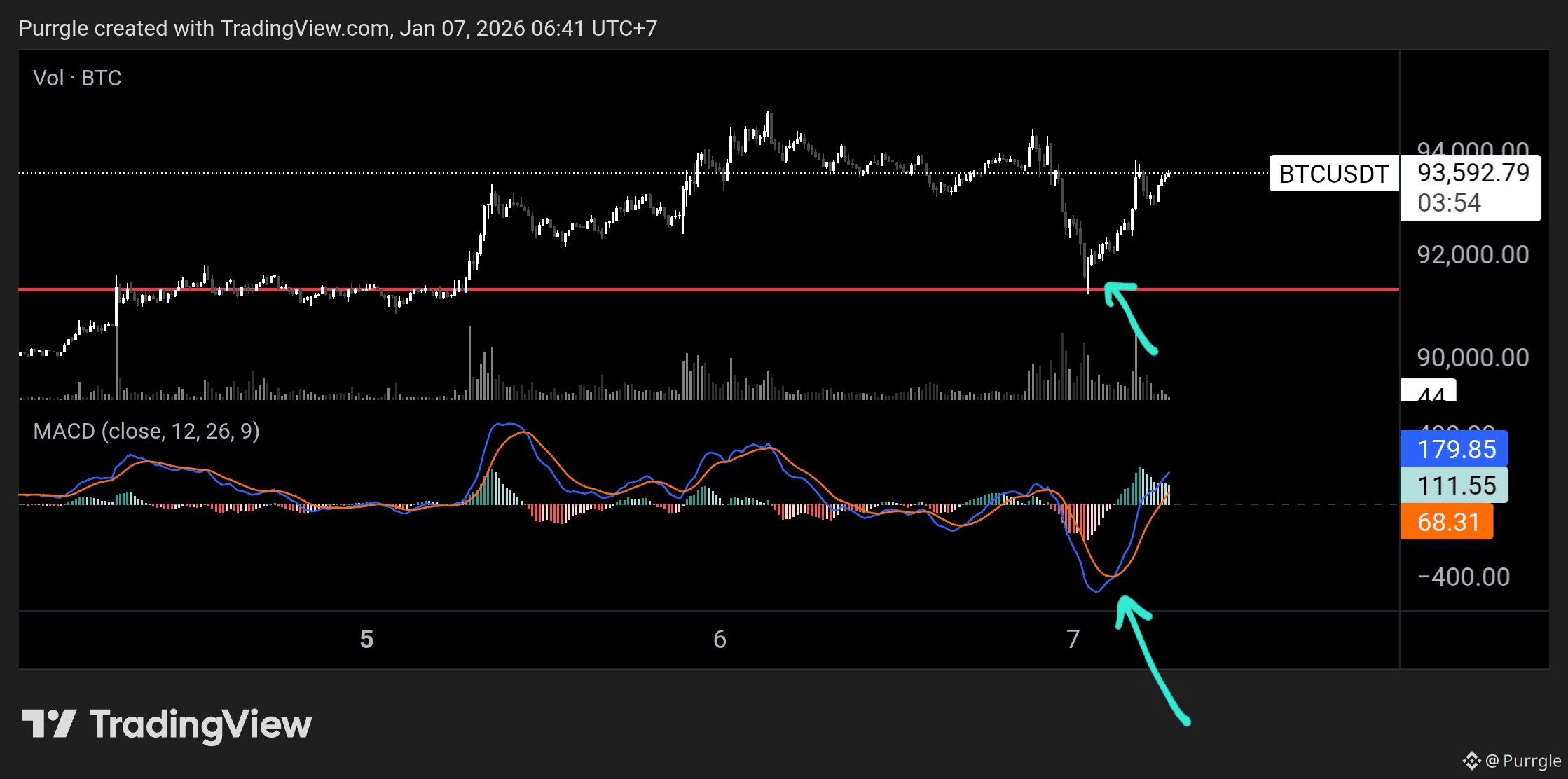

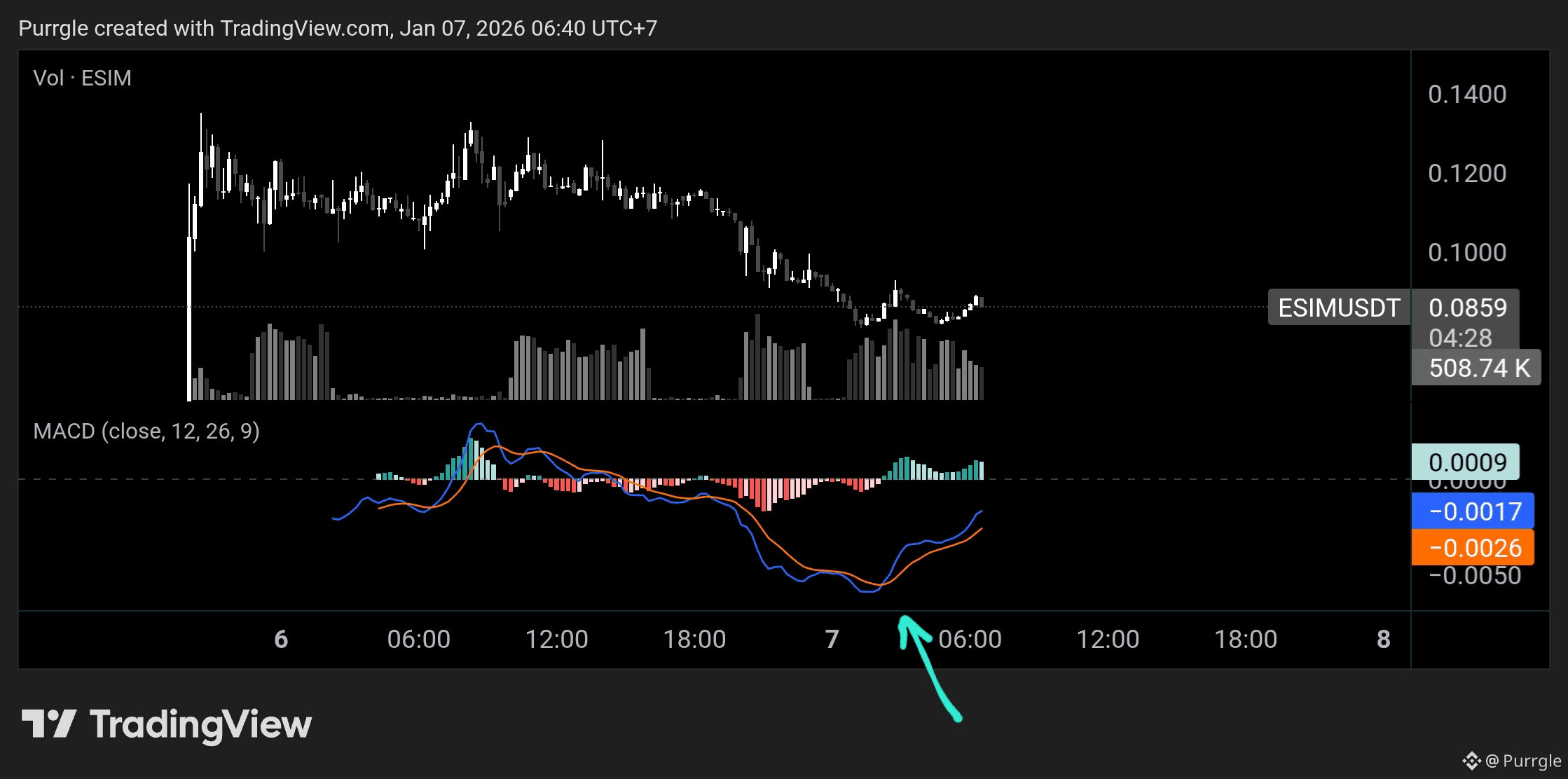


What most beginners get wrong is timing and patience. They wait for ten confirmations, then enter late. A pro trader watches MACD near key zones. When price is consolidating or at support and MACD starts to cross up, that is often where smart money enters. The same logic applies in reverse at resistance when MACD weakens and crosses down.
Another important thing is divergence. If price keeps going higher but MACD makes lower highs, momentum is dying. This is often where late buyers get trapped and pros start exiting. On the other side, when price makes lower lows but MACD starts climbing, selling pressure is weakening. This is how bottoms are formed, quietly, before the crowd notices.
Conclusion
MACD works best when you stop overtrading. You do not need to catch every move. Focus on clear trends and clean signals. Ignore MACD signals in choppy sideways markets unless you really know what you are doing. Pros trade less, not more.
The biggest edge is not the indicator itself, but discipline. MACD will give false signals sometimes. That is normal. The difference between a gambler and a pro is risk control. Small losses, consistent execution, no revenge trading.
You do not need to trade like a genius. You need to trade like someone who survives. One indicator is enough if your mindset is right. MACD is not flashy, but it has paid traders for decades. The market changes, human emotion does not.
This is not financial advice. Just how Purrgle sees the market after watching people overcomplicate something that was never meant to be complicated.