
Introduction to Walrus NFTs
Non-fungible tokens, commonly called NFTs, are often associated only with digital art and collectibles. While art remains an important part of the NFT space, the technology itself offers far more potential. Walrus NFTs aim to expand this understanding by combining creativity with real functionality. Instead of viewing NFTs as static items, Walrus presents them as interactive digital tools. This approach helps everyday users see NFTs as practical assets rather than abstract concepts.
Walrus focuses on accessibility and clarity, making NFTs easier to understand. Many people hesitate to explore NFTs because they seem technical or speculative. Walrus addresses this by simplifying how NFTs are created, viewed, and used. By doing so, it helps bridge the gap between creativity and real-world application.
Understanding NFTs in Simple Terms
At their core, NFTs represent unique digital ownership. Unlike regular digital files that can be copied, NFTs verify originality and ownership on the blockchain. Walrus explains this concept using relatable comparisons. Owning an NFT is similar to owning an original painting rather than a photograph of it.
This clarity helps users grasp why NFTs matter. Walrus avoids complex jargon and focuses on meaning. By understanding ownership, users can better appreciate how NFTs function beyond visual appeal. This foundation is essential for exploring utility-driven NFTs.
Art as the Gateway
Art often acts as the first point of contact with NFTs. Walrus recognizes this and supports creative expression through NFTs. Artists can represent their work digitally while maintaining proof of originality. This empowers creators and collectors alike.
Art NFTs on Walrus are designed to be approachable. They serve as an introduction to blockchain-based ownership. Once users understand art NFTs, they are more open to exploring deeper utility. Art becomes the doorway, not the destination.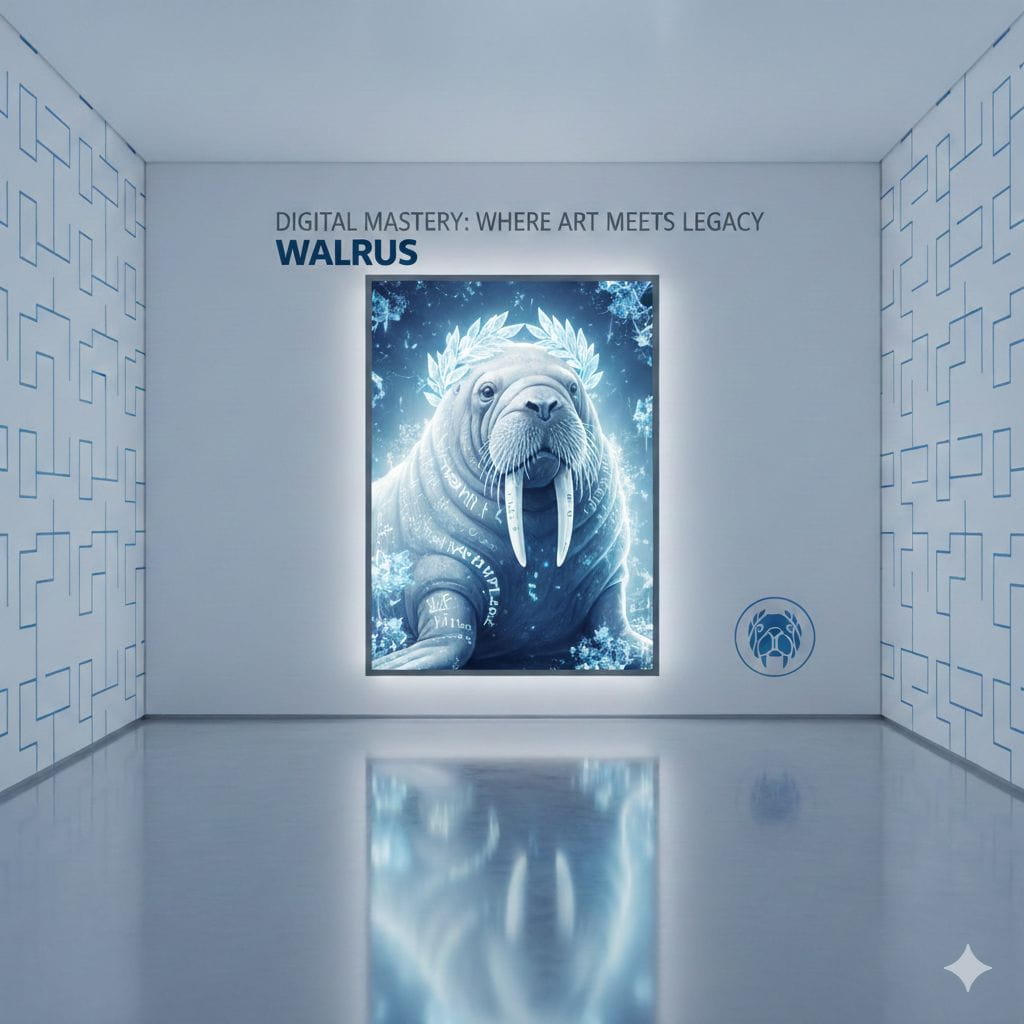
Beyond Art: Utility Explained
Utility gives NFTs purpose beyond aesthetics. Walrus NFTs can represent access, participation, or functionality within digital ecosystems. This shifts NFTs from passive collectibles to active tools. Utility-driven NFTs help users interact meaningfully with Web3.
Think of utility NFTs like membership cards. They unlock experiences rather than simply being displayed. Walrus emphasizes this practical angle. By doing so, it helps users see NFTs as functional assets rather than speculative items.
User-Friendly NFT Design
Walrus prioritizes simplicity in NFT interaction. Users can view and understand NFTs without needing advanced technical knowledge. Clear visuals and descriptions help explain what each NFT represents. This reduces confusion and builds confidence.
Design plays a major role in adoption. When NFTs feel easy to explore, users engage more. Walrus treats design as an educational tool. This thoughtful approach lowers barriers for beginners entering the NFT space.
Ownership and Identity
NFTs can also represent digital identity. Walrus explores how NFTs can symbolize participation, reputation, or achievements. This adds a personal dimension to ownership. Users feel connected to what they own.
Identity-based NFTs are like digital badges. They reflect involvement rather than speculation. Walrus highlights this potential carefully and neutrally. This perspective helps users understand NFTs as expressions of identity, not just assets.
Transparency and Trust
Trust is essential when dealing with digital ownership. Walrus builds trust through transparent NFT structures. Users can clearly see what an NFT represents and how it functions. Nothing feels hidden or misleading.
Transparency reduces uncertainty. When users trust the system, they engage more confidently. Walrus emphasizes openness in NFT interactions. This approach aligns with community-friendly values and long-term adoption.
Educational Approach to NFTs
Walrus treats NFTs as learning opportunities. Instead of overwhelming users with information, it introduces concepts gradually. Explanations appear where they are most relevant. This helps users learn naturally.
Education through experience is effective. Users understand NFTs better when they interact with them directly. Walrus designs these interactions thoughtfully. This method builds understanding without pressure.
Practical Use Cases
Walrus NFTs focus on practical applications rather than hype. Use cases are designed to feel relevant and understandable. This practicality helps users connect NFTs to everyday digital experiences.
Practical NFTs are easier to value. Users can see how NFTs fit into broader systems. Walrus supports this clarity by highlighting function over speculation. This responsible approach benefits the ecosystem.
Community Involvement
Community plays an important role in the Walrus NFT ecosystem. Users are encouraged to participate, share ideas, and collaborate. This creates a sense of belonging. NFTs become shared experiences rather than isolated assets.
Community-driven NFTs strengthen engagement. When people feel included, they contribute more actively. Walrus values this dynamic. It supports collaboration without forcing participation.
Reducing Entry Barriers
NFTs often feel inaccessible to newcomers. Walrus works to reduce these barriers through intuitive tools. Users do not need deep technical knowledge to get started. This inclusivity supports broader adoption.
Lower barriers lead to more diverse participation. Walrus designs NFTs with beginners in mind. This ensures that curiosity can turn into understanding. Accessibility remains a core principle.
Balancing Creativity and Responsibility
Creativity thrives in open environments, but responsibility is equally important. Walrus encourages thoughtful interaction with NFTs. It avoids promoting unrealistic expectations. Instead, it focuses on education and understanding.
This balance supports healthy growth. Users explore creativity while staying informed. Walrus’s neutral approach helps maintain trust. Responsible design benefits both users and creators.
Long-Term Perspective
Walrus NFTs are built with longevity in mind. Instead of chasing short-term trends, the focus remains on sustainable utility. This long-term view supports meaningful adoption. NFTs become part of evolving digital ecosystems.
Longevity matters in Web3. Walrus prepares users for ongoing change rather than temporary excitement. This perspective helps users engage thoughtfully. Sustainable growth remains the goal.
NFTs as Building Blocks
Walrus views NFTs as building blocks within Web3. They connect art, identity, and functionality. This integrated approach expands possibilities. NFTs become flexible components rather than fixed items.
Building blocks encourage innovation. Users can imagine new ways to use NFTs. Walrus supports this exploration without promoting speculation. Creativity and practicality coexist.
Encouraging Exploration Without Pressure
Walrus invites users to explore NFTs at their own pace. There is no urgency or push toward specific actions. This relaxed environment supports learning. Users feel comfortable experimenting.
Exploration builds confidence. When users feel safe to learn, they engage more deeply. Walrus respects different comfort levels. This inclusive approach strengthens adoption.
Why Walrus NFTs Matter
Walrus NFTs matter because they redefine how people view digital ownership. By blending art and utility, they make NFTs more relatable. This clarity supports understanding and trust.
As NFTs evolve, projects like Walrus shape their future. By focusing on education, usability, and community, Walrus contributes positively. NFTs become tools for engagement rather than confusion.

