
Market moves today:
Geopolitical friction between the U.S. and Iran is again pushing oil markets into volatility as traders price risks around supply disruption. The fear premium is active, especially given U.S. strikes and sanctions targeting Iranian oil infrastructure and the ongoing unrest inside Iran. This keeps energy prices sensitive to headlines.
Reuters +1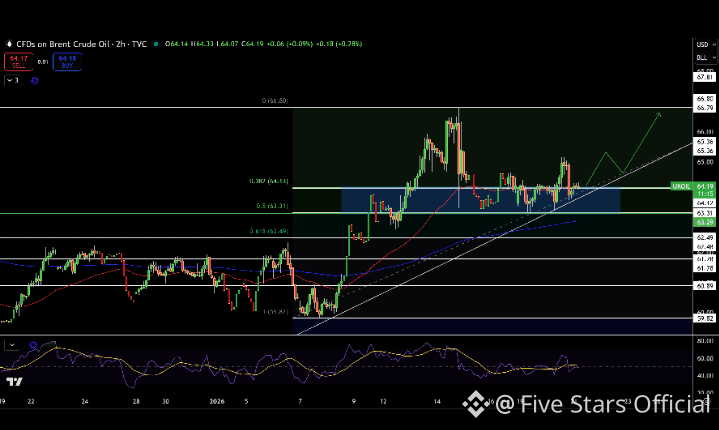
Oil prices (WTI & Brent):
• Oil has rebounded after recent U.S.–Iran risk headlines, with Brent and WTI gaining as markets fear a supply squeeze if tensions escalate.
• However, easing protests and talk of de‑escalation have recently muted runaway spikes, pressuring prices back slightly.
Reuters
Reuters
Candlestick price action:
• The daily candles above show wider wicks and range moves, typical in geopolitical volatility — spikes on escalation, retracements on headlines of relief.
• Price is trading within a broad range near key support/resistance, reflecting the tug‑of‑war between risk‑on and risk‑off sentiment.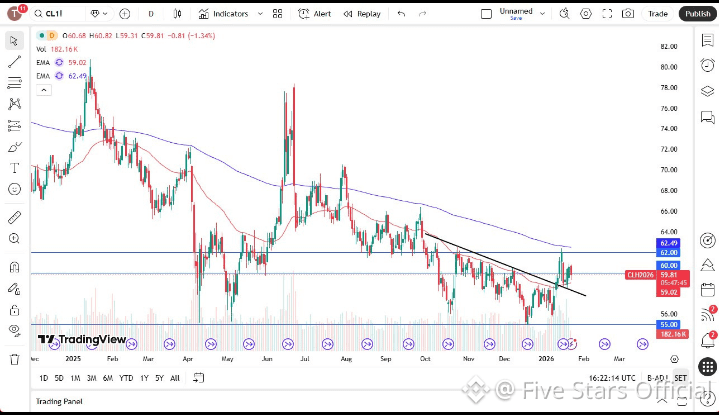
Market sentiment effects:
• Commodities: Oil acts as the main barometer of geopolitical risk; spikes reflect supply‑fear pricing.
• Equities: Risk assets like U.S. stocks often slip on heightened geopolitical tension as safe‑haven demand rises.
• Safe havens: Assets like gold and the USD tend to strengthen when conflicts escalate.
The Economic Times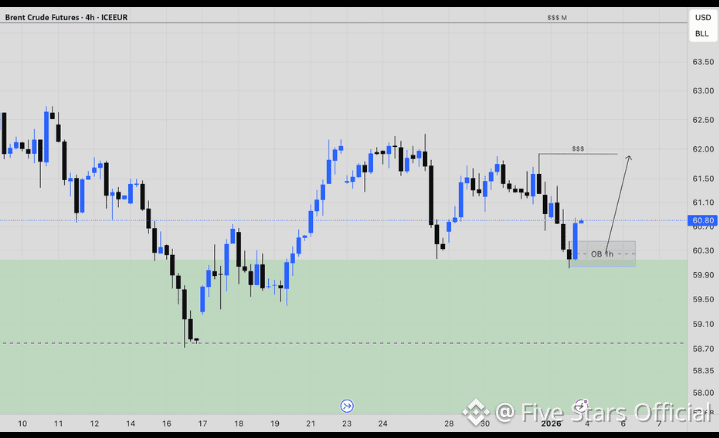
Bottom line:
US–Iran tensions are currently a key driver of energy market volatility, with oil prices making erratic moves due to headline‑driven risk premiums. Traders should watch price ranges and key candlestick breakouts for signs of whether risk perception strengthens (higher oil) or eases (range contraction).
#GrayscaleBNBETFFiling #USIranMarketImpact #ETHMarketWatch #USIran

