Looking at recent on-chain data, one thing stands out right away. Activity isn’t just going up, it’s getting more uneven. Traffic now comes in waves, driven by games, consumer apps, and automated systems. When those spikes hit, a lot of networks still struggle. Fees jump fast, confirmations slow down, and developers end up reacting instead of building. That’s the context in which I’ve been thinking about Plasma.
What I find interesting about @Plasma is that it doesn’t seem built around the idea of smooth, predictable demand. It assumes traffic will be messy. That’s important, because congestion events aren’t rare anymore. Recent data shows they’re becoming part of normal network behavior across several major ecosystems.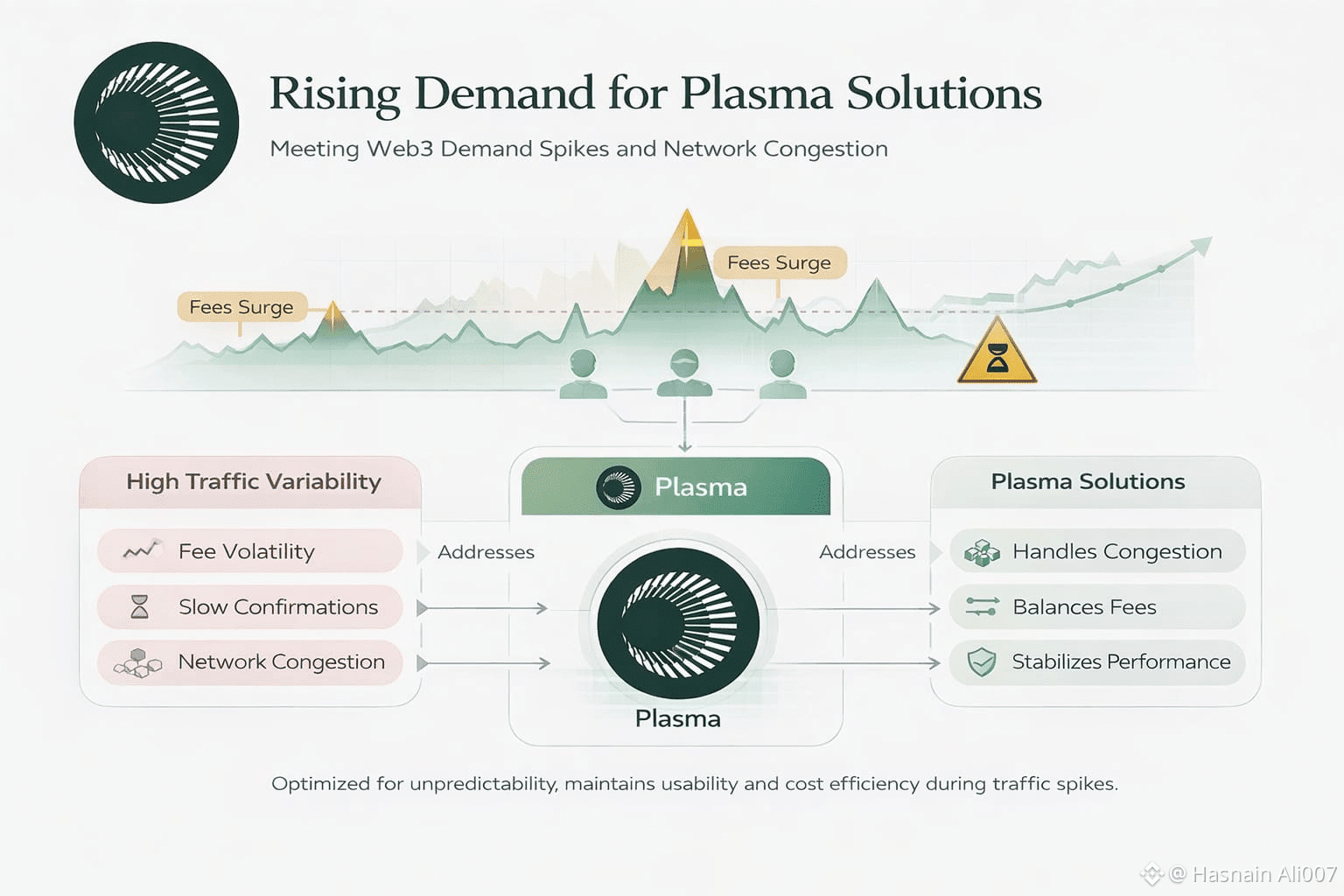 If you look at recent congestion periods, the pattern repeats. Average fees can climb sharply in a short amount of time, sometimes making smaller transactions impractical. For teams running live applications, that volatility creates real problems. It affects user experience, feature developed, and even basic pricing decisions. Developers either eat the cost, pass it on to users, or limit what their apps can do.
This is where Plasma’s approach starts to make sense. Instead of optimizing for ideal conditions, #Plasma seems focused on staying usable when things aren’t clean. The goal looks to be keeping execution reliable and costs within a range developers can actually plan for, even when demand spikes. That’s a practical priority, especially as more Web3 apps move from experiments to real products.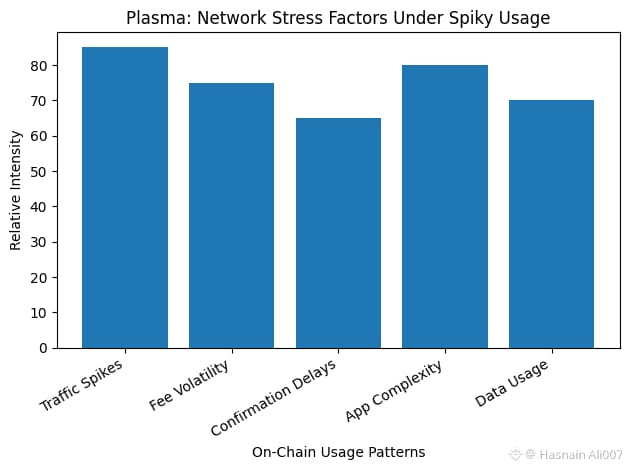 Another momentum that shows up clearly in the data is growing application complexity. Modern apps aren’t just sending simple transactions. They’re constantly updating state, control user connections, and running background processes. Public network stats already show call data usage rising along side transaction counts. Infrastructure that can’t handle both at once ends up forcing developers to compromise.
None of this removes the risk for Plasma. Early infrastructure often looks solid before it’s truly tested. The real challenge will be how Plasma performs when several data-heavy apps are active at the same time and traffic patterns become unpredictable. That’s when design decisions start to matter.
Competition also can’t be ignored. Developers today have plenty of options, from established Layer 1s to fast Layer 2s and specialized chains. Switching is easier than it used to be. Plasma has to prove that teams can build and operate without constantly working around network limitations.
When I think about $XPL , I don’t see a short-term trade. Infrastructure tokens tend to reflect usage over time. If Plasma becomes a network developers rely on as demand grows, value builds naturally. If not, the market moves on quickly.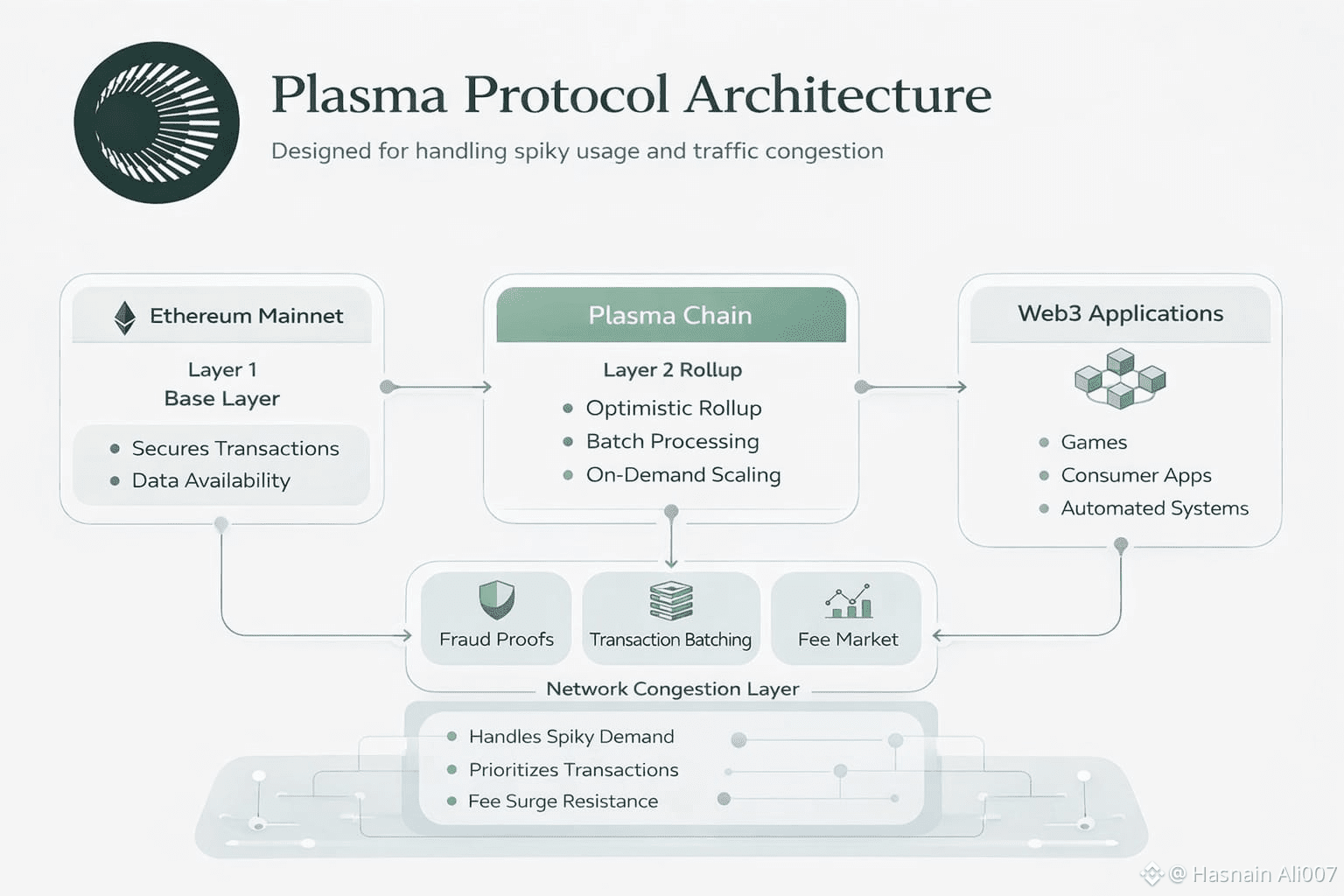 What keeps Plasma interesting right now is how closely it lines up with what the data is showing. Usage is spiky. Data demands are rising. Fee volatility is still a problem. Infrastructure that ignores those realities won’t hold up. Plasma is positioning itself around those pressures.
I’m less focused on announcements and more focused on behavior under load. How costs behave during busy periods, whether apps stay live, and whether developers stick around will tell the real story.

Άρθρο
PLASMA AND WHAT RECENT USAGE PATTERNS ARE REVEALING
Αποποίηση ευθυνών: Περιλαμβάνει γνώμες τρίτων. Δεν είναι οικονομική συμβουλή. Ενδέχεται να περιλαμβάνει χορηγούμενο περιεχόμενο. Δείτε τους Όρους και προϋποθέσεις.

ETH
2,994.79
+1.66%