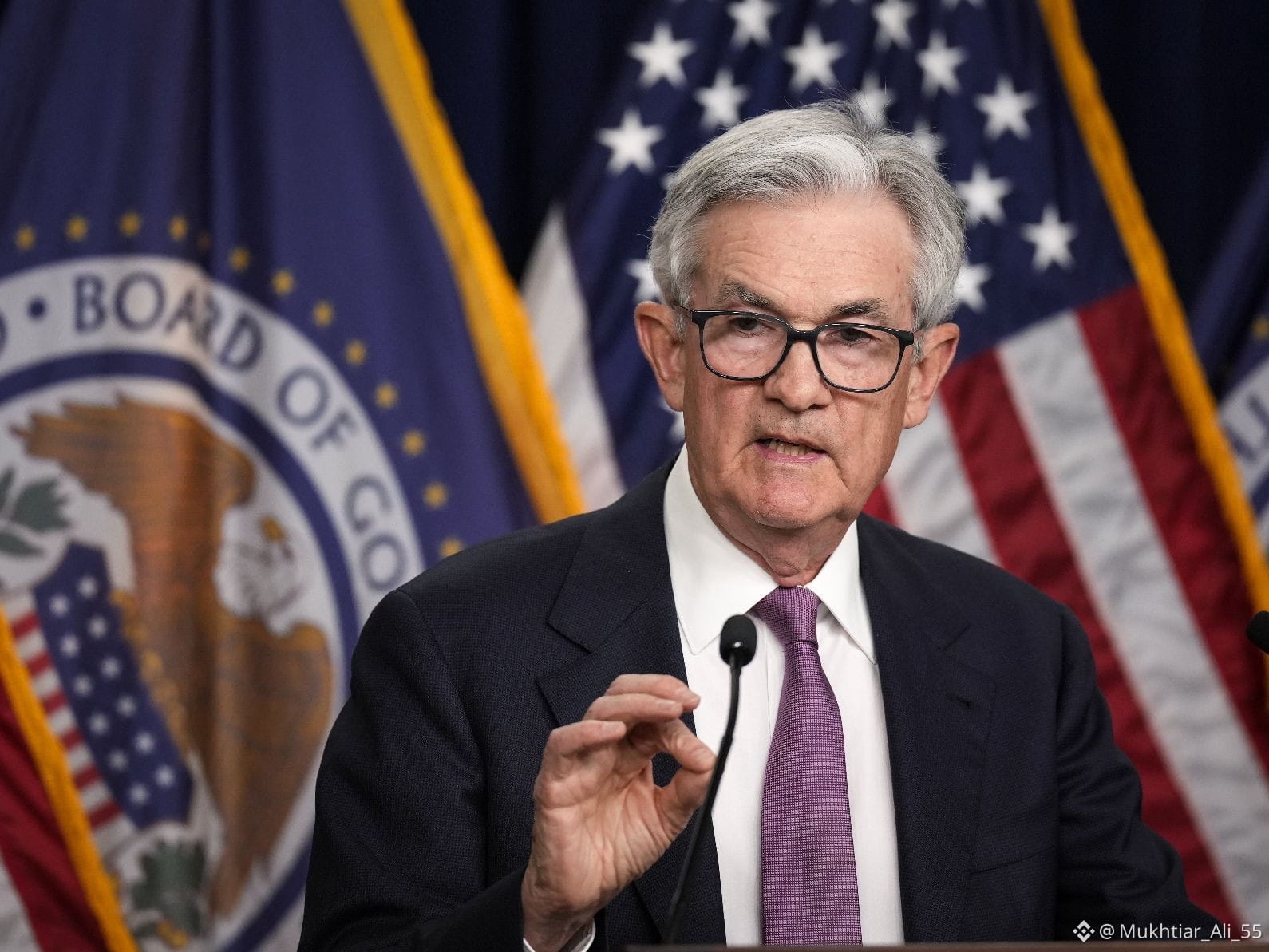
The U.S. Federal Reserve has decided to keep interest rates unchanged at a target range of 3.50%–3.75%, after three consecutive rate cuts in late 2025. This move reflects a cautious “pause” 🛑, as policymakers balance slowing economic growth 📉 with persistent inflation pressures 📈🔥.
This decision signals that the Fed is not rushing to cut rates again ⏸️, but it isn’t tightening either. Officials are taking a wait-and-see approach 👀, monitoring economic conditions before making further moves.
🏦 Why the Pause Happens
The Fed’s decision comes amid mixed economic signals:
📊 Labor Market:
Jobs have cooled slightly ❄️, but the labor market remains fairly strong. Unemployment is expected to hover around 4.4% in 2026 👔💼, showing steady demand for workers 💪.
📈 Inflation:
Inflation remains above the Fed’s 2% target 📌, even though it has eased from previous highs. Policymakers want to see clear evidence of sustainable easing 📉 before resuming rate cuts.
➡️ In short, the Fed is walking a tightrope 🎯 between supporting growth 🌱 and controlling inflation 🔥, which is why rates remain steady despite slower economic activity.
📅 What’s Next? Future Rate Expectations
Looking ahead:
• The Fed could announce one more rate cut in 2026 📉, possibly in March or June 📆.
• Some market analysts expect two cuts 💭, but projections remain data-dependent 📊.
💡 The door is open for easing 🚪, but only if inflation drops 📉 and labor market conditions soften further 🌬️.
📉 Markets Mostly Expected This Outcome
Financial markets were broadly prepared ✅ for this decision. Futures pricing suggested a high probability 🏦 that rates would stay at 3.50%–3.75%.
After the announcement, the S&P 500 moved toward new highs 📈🚀, reflecting investor relief that the outcome was anticipated ✔️. Stability in policy often reduces uncertainty ⚖️, which markets love ❤️.
🧠 Policy Dynamics & Political Context
While the Fed emphasizes data-driven independence 📊🛡️, political and leadership pressures ⚡ are always present.
Chair Jerome Powell stresses caution, noting that current rates are near neutral ⚖️, meaning they neither overly stimulate nor restrict the economy 🌱❌.
📊 What This Means for Consumers & Investors
💰 For Borrowers:
Rates hold steady, keeping mortgages 🏡, credit 💳, and business loans 💼 costs stable — a relief after multiple cuts.
💸 For Savers:
Savings remain relatively attractive 💎 compared to ultra-low-rate environments.
📈 For Markets:
Monetary stability reduces short-term volatility 🌊, but investors will keep an eye on inflation 🔥, employment 👔, and Fed guidance 📝 for future signals.
🧩 Summary
The Fed’s decision to hold rates at 3.50%–3.75% signals:
✨ A cautious pause ⏸️, not aggressive easing
✨ Confidence that inflation is moderating 📉 but still above target 🔥
✨ A slowly weakening labor market 👷♂️ but no collapse ❌
✨ Future rate cuts possible 📆, depending on economic trends 🌱
As 2026 unfolds 📅, the Fed’s data-driven approach 🧠📊 means markets and economists will closely watch employment reports 👔, inflation metrics 🔥📈, and financial conditions 💹 for clues about the next policy move 🔍.
#FederalReserve #FederalRatesCrypto
$PIPPIN
$1000RATS