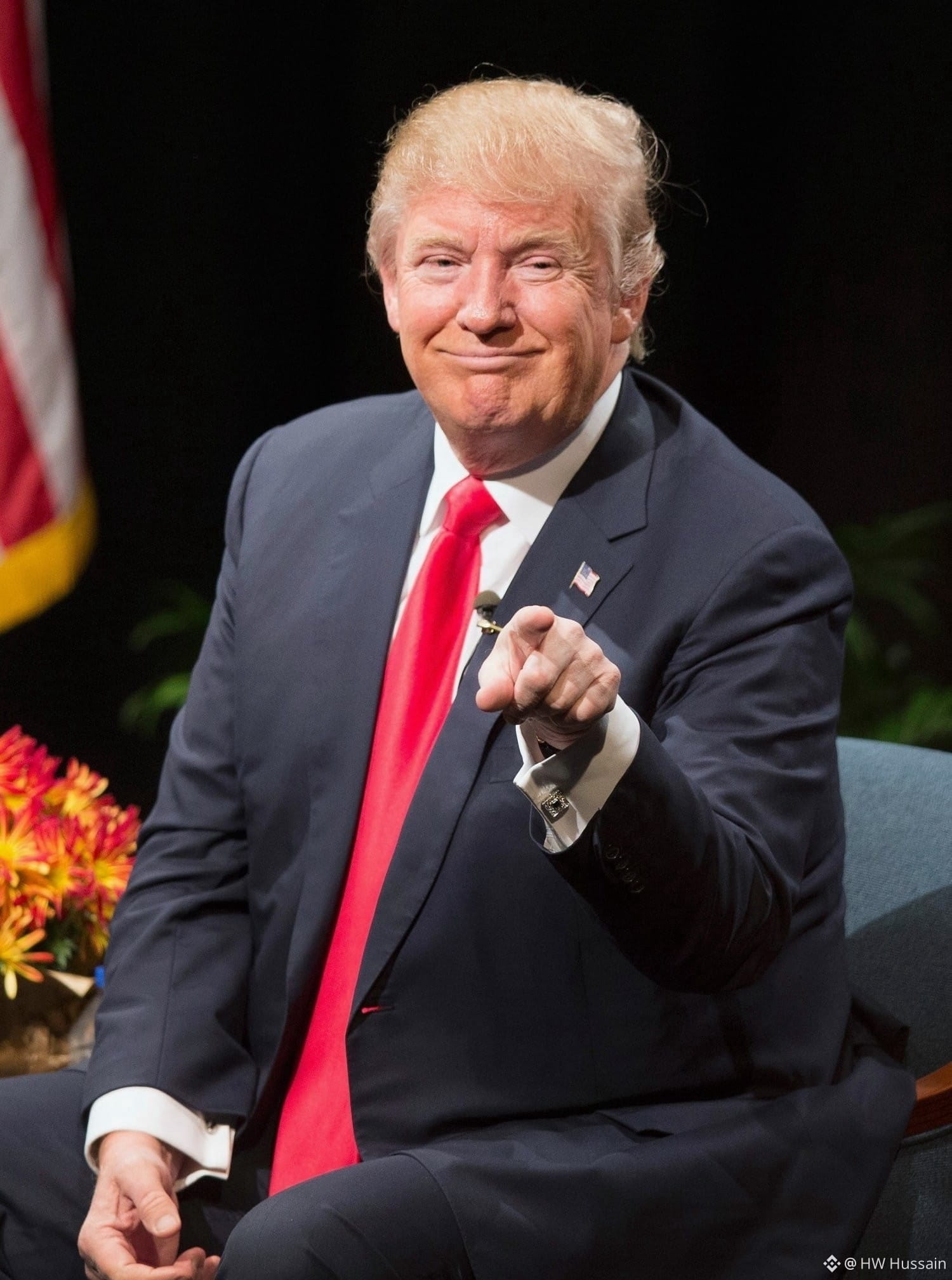
For years, Canada dismissed warnings from countries like India about allowing separatist movements under the banner of “free speech.” Now, that same strategy may be turning against Ottawa — this time from its closest ally, the United States, and potentially under the influence of Donald Trump.
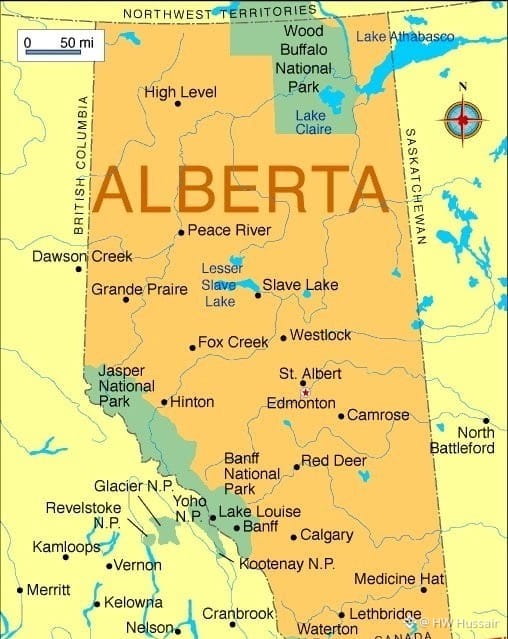
At the center of the storm is Alberta, Canada’s oil powerhouse. Nearly 85% of Canada’s oil production comes from this single province. As the world’s fourth-largest oil producer, Canada pumps roughly 3.7 million barrels per day from Alberta alone, an output comparable to Iran. Control over Alberta means control over the backbone of Canada’s economy.
According to reports, individuals linked to the Trump camp have held quiet discussions with groups advocating Alberta’s independence. Some of these groups have even floated the idea of requesting $500 billion in U.S. financial backing if separation were ever pursued — support that would almost certainly come with major political and strategic conditions.
Washington’s interest in Alberta is nothing new. U.S. officials have long described the province as a “natural partner,” while sharply criticizing Canada for blocking new oil pipelines. Most of Alberta’s oil already flows directly to American refineries, reinforcing U.S. energy security and leverage.
Canadian leaders insist Alberta will remain part of a united Canada. However, Alberta’s laws allow a referendum if just 10% of voters demand it, keeping political tension simmering beneath the surface.
As U.S.–Canada relations strain over tariffs, trade disputes, and pressure tactics, the irony is striking. The very idea Canada once defended internationally — separatism framed as free expression — is now emerging as a potential geopolitical pressure tool against Canada itself.
In global politics, strategies have a way of circling back.
And this one could hit Canada where it hurts most. 💥