
Blockchain technology has grown quickly, yet most people still don’t use it in their everyday lives. For many, crypto still feels complicated, risky, or limited to trading. Wallets, fees, and technical barriers often stop normal users from getting involved. This is exactly the problem Vanar is trying to solve.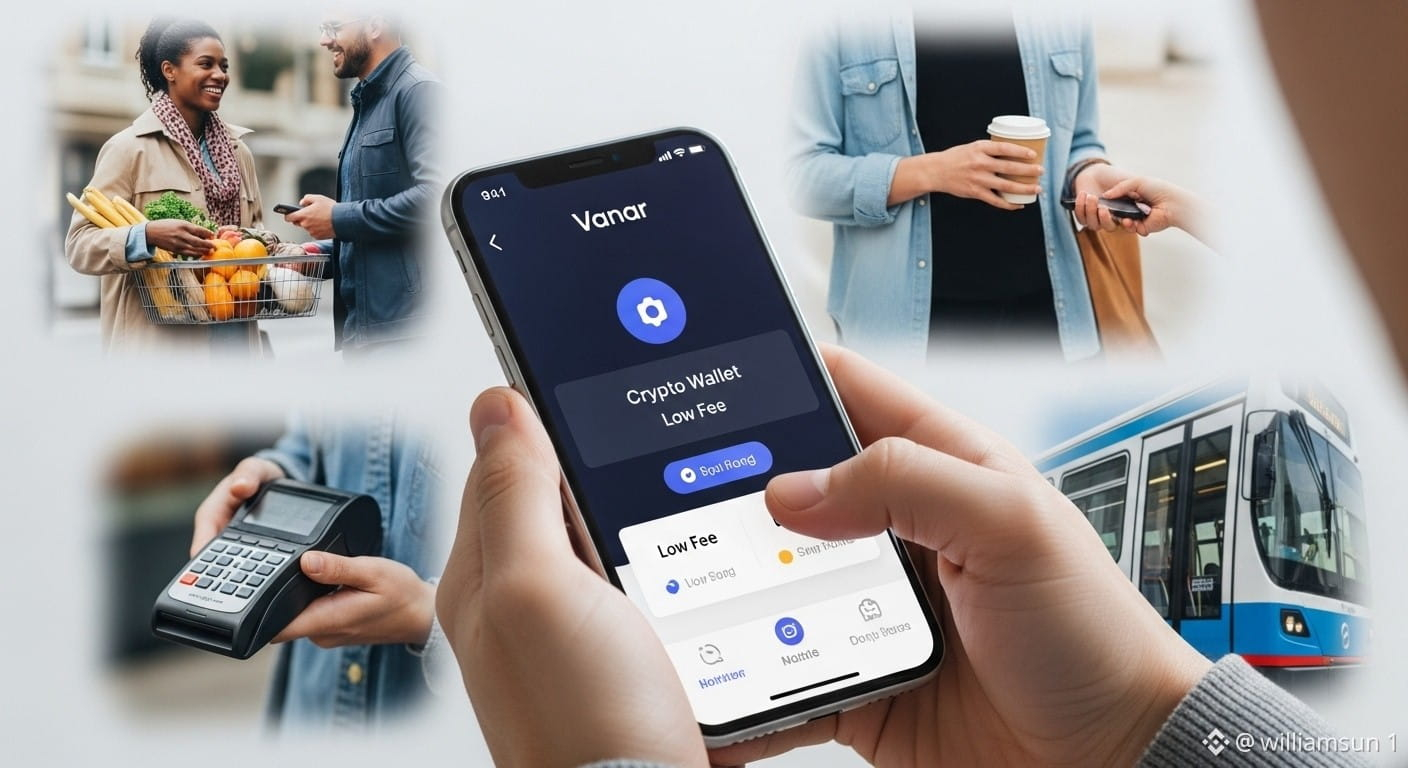
Vanar is a Layer-1 blockchain built with one main idea in mind: blockchain should make sense for real people, not only developers or traders. Instead of asking users to learn crypto, Vanar tries to build digital experiences where blockchain works quietly in the background while people simply enjoy games, entertainment, virtual worlds, and online communities.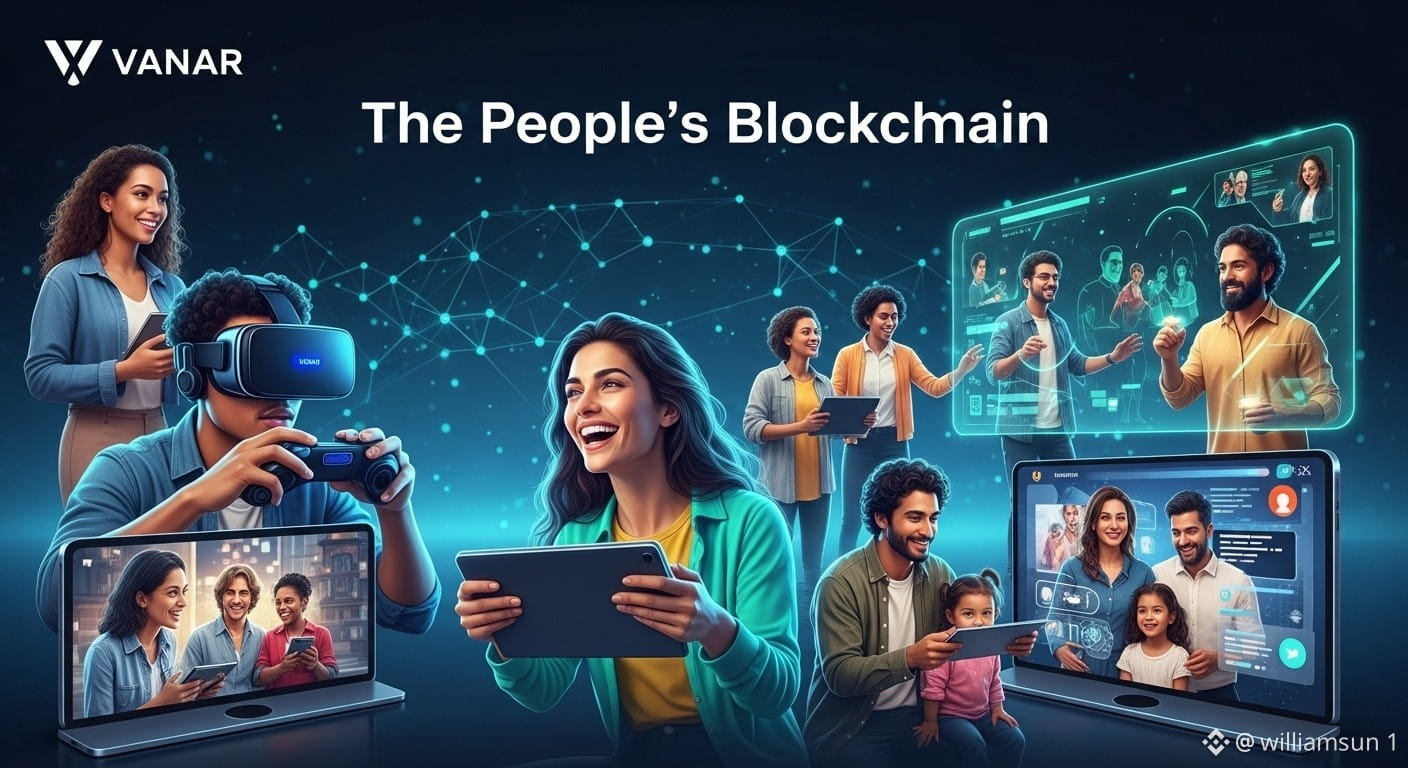
The project originally started as Virtua, a platform focused on NFTs and digital collectibles connected to entertainment and gaming. As the team gained experience working with game studios, brands, and digital platforms, they saw a bigger opportunity. The future of blockchain adoption would not come only from finance or speculation but from entertainment, digital ownership, and interactive experiences. This realization led to the evolution of Virtua into Vanar, a full blockchain ecosystem designed to support many industries. Along with this change, the previous TVK token transitioned into the new ecosystem token called VANRY.
What makes Vanar interesting is its focus on normal users rather than crypto experts. Most people don’t care about blockchain technology itself; they care about good experiences. People want smooth games, engaging virtual worlds, and digital items they truly own. Vanar aims to provide the infrastructure that makes these experiences possible without users needing to think about blockchain at all.
From a technical perspective, Vanar runs as its own blockchain network, meaning it processes and secures transactions independently. But what really matters is what users feel when using applications built on it. Transactions are designed to be fast and inexpensive, which is essential for gaming and consumer apps where thousands of small actions happen constantly. No one wants to pay high fees just to make small in-game moves or trade digital items.
Another advantage is that Vanar supports tools familiar to developers who already build on Ethereum. This means developers don’t have to start from scratch to build applications on Vanar, making it easier for new projects to join the ecosystem and grow the network.
Gaming is one of the strongest pillars of Vanar’s strategy. Through the Vanar Gaming Network, developers can create games where players truly own their in-game assets. Instead of items being locked inside one game, digital items can have value outside the game itself. Players can trade, sell, or use their assets across different experiences. This creates real digital economies where players are not just customers but participants.
Another important piece of the ecosystem is the Virtua metaverse platform, where users can interact in virtual spaces, display digital collectibles, attend events, and build online communities. These virtual experiences blend entertainment with digital ownership, showing how blockchain technology can enhance social and gaming environments rather than complicate them.
Vanar is also exploring how blockchain can combine with artificial intelligence. AI-driven applications are becoming part of everyday digital life, and Vanar aims to support intelligent services that use blockchain data. Future possibilities include smarter digital assistants, automated systems, and intelligent applications that interact securely with decentralized networks.
Brands and companies are also becoming part of Vanar’s ecosystem. Many businesses want to explore Web3 but struggle with complexity. Vanar provides tools that allow brands to create loyalty programs, digital collectibles, and interactive campaigns without forcing customers to understand crypto technology. Customers simply participate in digital experiences while blockchain handles ownership and rewards in the background.
At the center of the ecosystem is the VANRY token, which powers network operations. It is used to pay transaction fees, reward validators who secure the network, and support ecosystem development. Users and developers interacting with Vanar applications indirectly rely on this token to keep the network running smoothly. As more applications and users join the ecosystem, token activity grows alongside real usage rather than speculation alone.
Another point Vanar highlights is environmental awareness. Blockchain networks have often been criticized for energy consumption, but newer infrastructures like Vanar aim to operate more efficiently, reducing environmental impact while maintaining performance.
Vanar’s strategy for adoption focuses on places where users already spend time: gaming platforms, entertainment communities, online events, and digital creator ecosystems. Instead of convincing people to move into crypto, Vanar integrates blockchain into environments people already enjoy, making adoption feel natural rather than forced.
Of course, challenges still exist. Competition among blockchain networks is intense, and success depends on attracting developers, growing user-friendly applications, and maintaining decentralization while scaling. Real adoption will depend on delivering experiences people actually want to use, not just promising technology.
Looking forward, Vanar’s future depends on how well it continues to expand partnerships, support developers, and deliver real products across gaming, AI, entertainment, and digital communities. If successful, it could help bridge the gap between traditional internet platforms and the next generation of digital ownership.
In the end, Vanar represents a shift in how blockchain projects think about growth. Instead of focusing purely on finance, it focuses on consumer experiences. By blending gaming, virtual worlds, AI tools, and brand engagement with accessible blockchain infrastructure, Vanar aims to make Web3 part of everyday digital life rather than a niche technology.
And if blockchain truly becomes invisible while empowering real ownership and digital interaction, networks built with users in mind — like Vanar — may play a key role in shaping that future.