
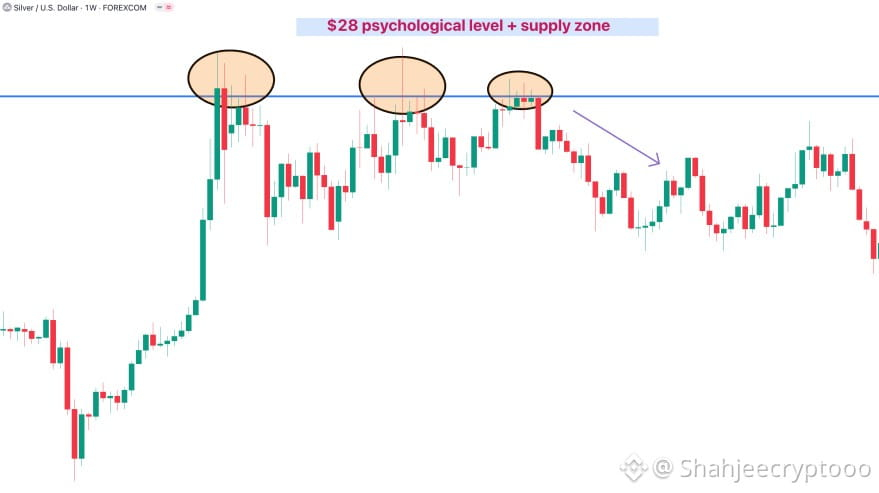
Liquidity is not just a concept. It is the hidden force that decides who survives and who gets wiped out in markets. Most traders think they lose because they were wrong on direction. In reality, they lose because they entered when liquidity was already exhausted.
Liquidity simply means how many real orders exist around price. When liquidity is deep, the market can absorb big trades without moving much. When liquidity is thin, even small orders can push price sharply. This is why some moves feel smooth and others feel violent.
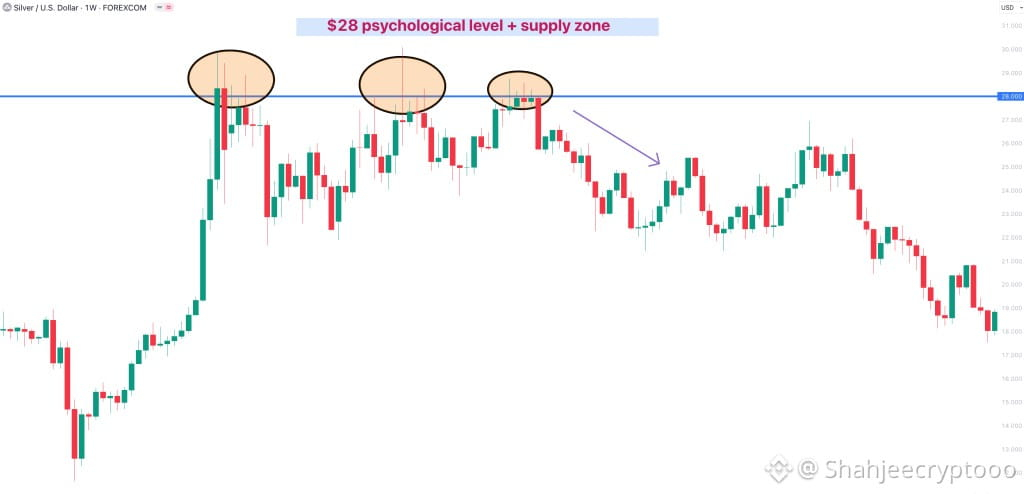
One of the biggest mistakes traders make is confusing price movement with strength. A green candle does not mean healthy buying. If that candle forms when liquidity is low, it is weak by nature. That move can collapse the moment sellers show up. Strong moves are not loud. They are absorbed quietly.
Liquidity behaves differently during fear and during confidence. When people are confident, they place orders in layers. When fear hits, everyone wants out at the same time. That rush destroys liquidity. This is why crashes happen faster than rallies.
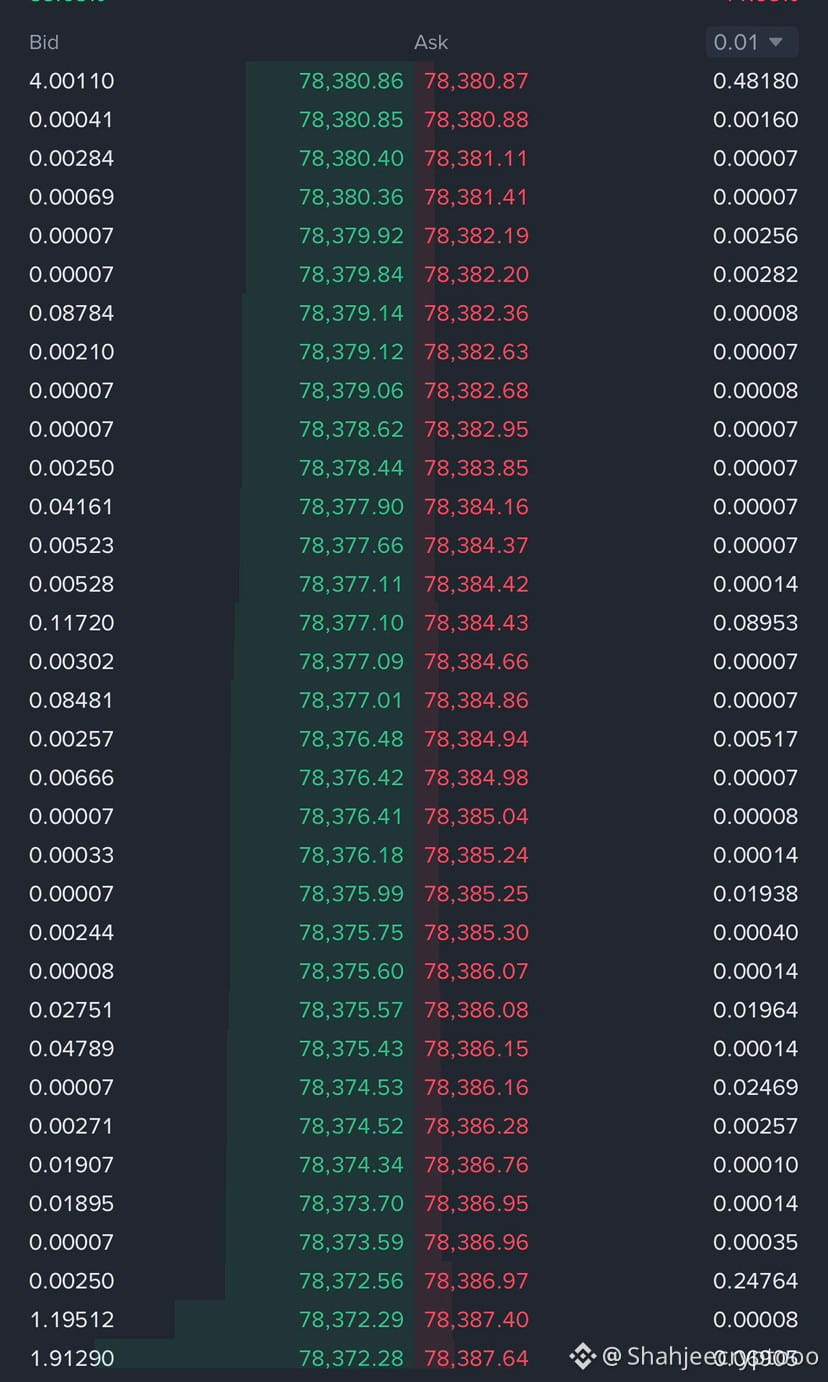
Another thing most people ignore is where liquidity is hiding. Stop losses, liquidation levels, breakout entries these are all pools of liquidity. Price naturally moves toward these zones because that is where trades can actually execute. This is not manipulation. It is market mechanics.
This is why you often see price wick above resistance or below support and then reverse. Price goes there to grab liquidity. Once it is consumed, price has no reason to stay.
Retail traders usually enter after liquidity has already been used. They buy breakouts when stops have already triggered. They sell bottoms when liquidation is almost done. It feels unlucky, but it is predictable. Liquidity moves first. Emotion follows later.
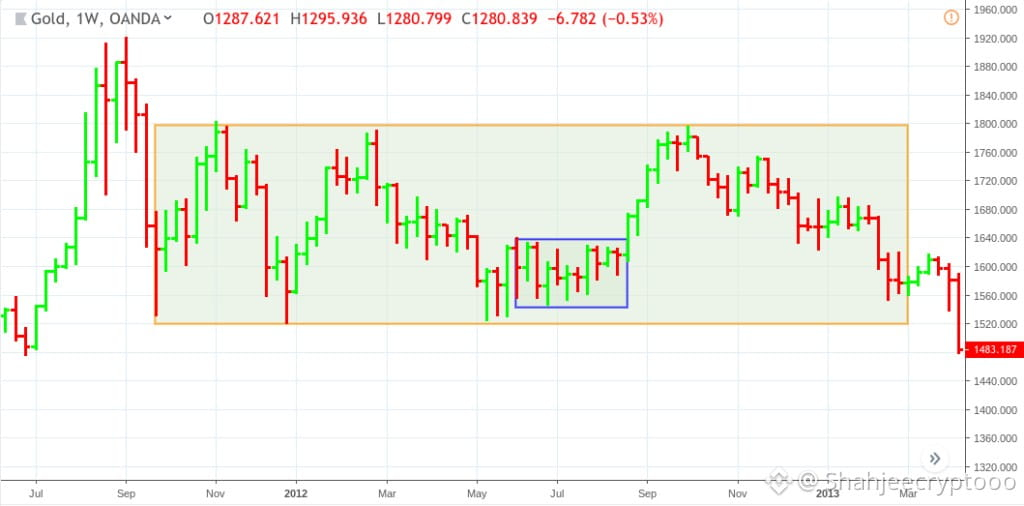
Low volatility periods confuse most people. Markets feel dead. Nothing happens. But this is exactly when liquidity rebuilds. Orders stack quietly. Positions reset. When price finally moves, it feels sudden only to those who were not watching liquidity.
Yahan ek sideways market chart ki image ayegi jahan low volatility range dikh raha ho
Search: “sideways market low volatility chart”
Understanding liquidity changes how you trade completely. You stop chasing moves. You stop reacting to every candle. Instead, you ask better questions. Where are stops likely sitting. Where would forced sellers appear. Where would big players find counterparties.
Liquidity also explains patience. The best trades are not taken when everyone is excited. They appear after liquidity resets and before emotions catch up.
#Liquidity #TrumpProCrypto #GoldSilverRebound #AISocialNetworkMoltbook #MarketCorrection