
The global economy is already walking into 2026 with a lot of baggage. Public debt is sitting north of 256% of GDP, inflation hasn’t fully gone away in several regions, and geopolitical tensions are still simmering. None of that creates a comfortable backdrop for risk assets—and Bitcoin isn’t immune.
What’s Really Behind Bitcoin’s Latest Dip?
This latest Bitcoin pullback isn’t about bad news inside crypto. It’s part of a broader risk-off mood sweeping across global markets.
Stocks have been wobbling again, especially tech. Investors are starting to question growth stories, stretched valuations, and how long liquidity can stay friendly.
As money moves out of risk, crypto—now tightly correlated with U.S. equities—gets dragged along for the ride.
Then came the leverage unwind.
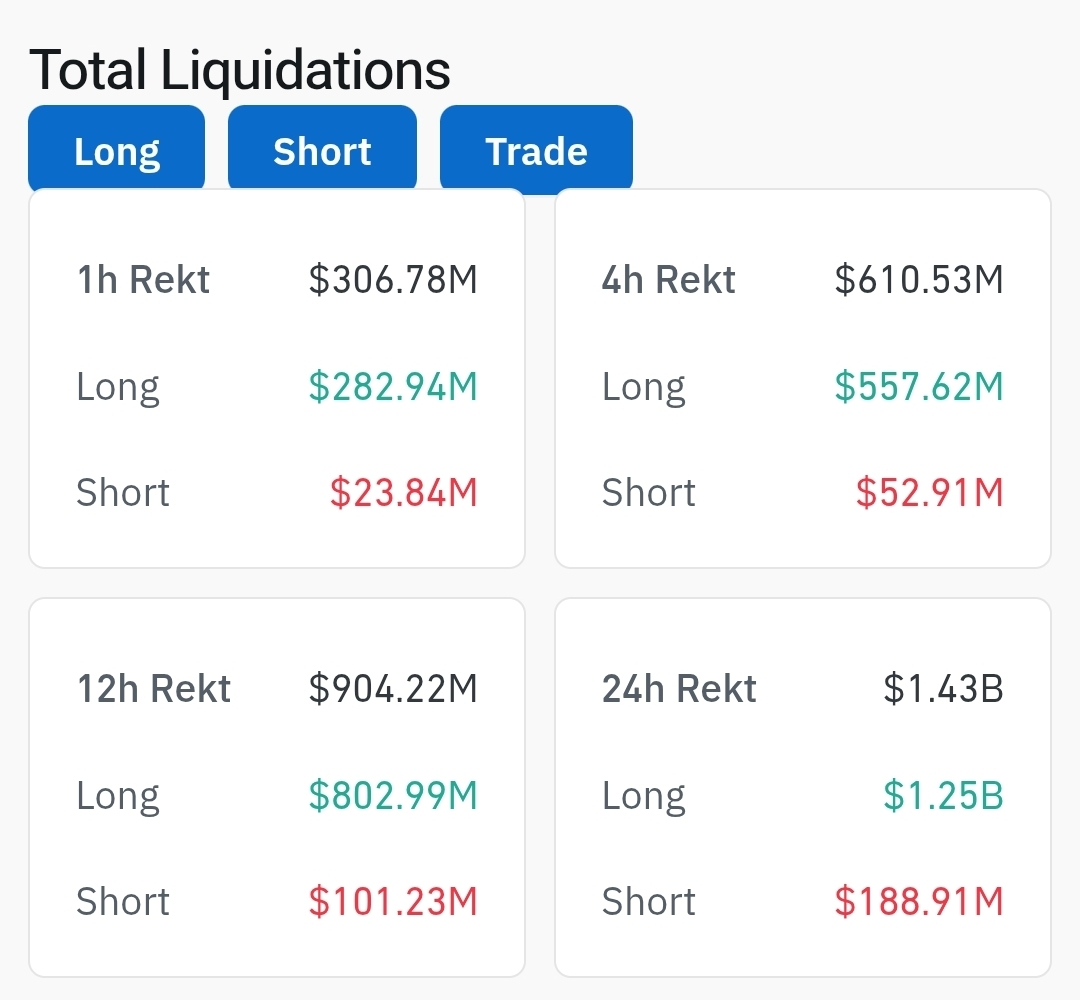
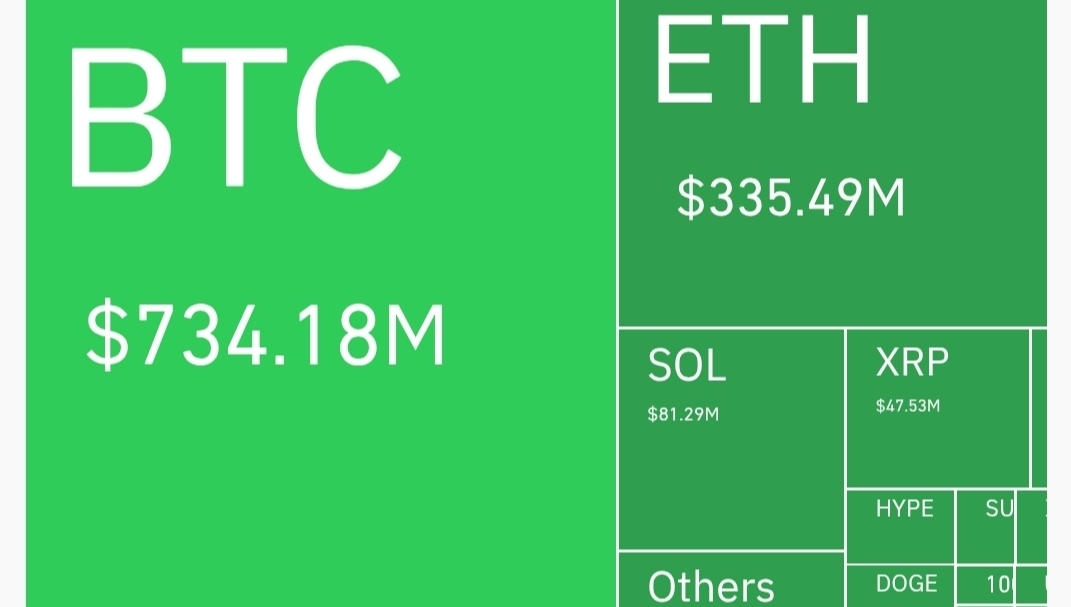
In the last 24 hours more than 1.26 billion liquidated according to Coinglass.
It's natural because once prices dipped, stops were hit, margins evaporated, and forced selling kicked in. That’s what made the move feel sudden and aggressive. It wasn’t panic—it was positioning breaking under pressure.
Put simply: this is a leverage flush, not a fundamental failure.
Analysts at K33 echo that view, pointing out that the brutal crashes of the past were driven by systemic events—exchange failures, credit blowups, forced liquidations from large players. None of those conditions are present right now. Today’s market is better structured, better capitalized, and far less fragile.
From here, traders are watching $74,000 as a key level Below that, $69,000 which is done too and now, $58,000 comes into focus as deeper downside zones. If volatility settles, these areas could attract long-term buyers looking past the noise.
Bottom line: Bitcoin isn’t collapsing—it’s recalibrating. As global markets de-risk, leverage gets washed out. For those with patience, moments like this often matter more than the headlines.