
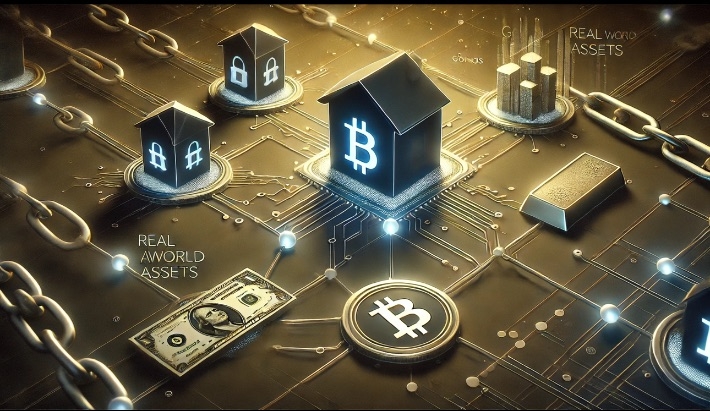
The crypto industry is constantly evolving, and one concept that is gaining traction is Real World Assets (RWA). Simply put, RWA in the context of crypto is the idea of connecting physical or traditional assets to the blockchain, allowing them to be tokenized and traded like any other crypto asset. Examples of this could be property, gold, bonds, or other assets that have real-world value.
So, why is this RWA concept so interesting? Let’s discuss some of the points that make RWA a hot topic in the crypto industry.
1. Merging the Real and Crypto Worlds
RWA opens up new opportunities by bridging the traditional financial world and the crypto industry. By tokenizing real assets, people can own or trade property or gold through the blockchain, which would normally be a long and expensive process if done conventionally. This makes investing in real assets more affordable and accessible to everyone, not just big investors.
2. Portfolio Diversification for Crypto Investors
In a highly volatile crypto market, having an RWA option can provide stability to an investor’s portfolio. Since real-world assets are generally less volatile than crypto assets, RWA can be a great option to reduce portfolio risk. Investors who previously only focused on digital assets now have access to invest in property or commodities digitally, without having to leave the crypto ecosystem.
3. Higher Liquidity
Real-world assets, such as property or precious metals, are often difficult to liquidate due to the lengthy and complex sales process. By tokenizing these assets into digital form, their liquidity can be much higher. RWA allows investors to buy, sell, or even use part of their assets as collateral in a matter of seconds on the crypto market.
4. Transparency and Security through Blockchain
Blockchain is known for its high level of transparency and security. Real-world assets connected to the blockchain can bring a greater level of trust because every transaction is recorded and cannot be changed. This reduces the potential for fraud and provides peace of mind for investors, especially in assets that are usually vulnerable to data or document manipulation.
5. Challenges and Risks
While the concept of RWA sounds interesting, there are challenges to overcome. One of the main obstacles is regulation. Many countries do not yet have clear regulations regarding the tokenization of real-world assets, especially those related to international sales and trade. This can create legal complications, especially when the tokens are owned by individuals or entities in different countries.
In addition, the integration between the physical and digital worlds also requires extra supervision. How to ensure that the tokens held truly reflect the value and ownership of assets in the real world? These things require strong cooperation between technology providers, governments, and traditional financial institutions.
6. Is RWA Attractive?
The answer is yes! The concept of RWA opens up exciting new possibilities in the crypto industry, especially for investors looking to diversify or find stability amidst the volatility of the crypto market. RWA brings the traditional world of finance into the digital age, making investing in property, commodities, or other assets more accessible and manageable.
However, before jumping in, investors need to pay attention to regulatory aspects and choose a trusted platform. Although still new, RWA has great potential to change the way we invest and manage assets, both in the real world and digitally.