1️⃣ 🇺🇸 Walton – ~$510B (Retail empire behind Walmart)
The Walton family continues to dominate the global wealth rankings, largely due to their significant ownership in Walmart, the world’s largest retailer. Built on the vision of Sam Walton, the company has grown into a retail giant with thousands of stores across multiple continents, serving millions of customers daily.
The family’s wealth is deeply tied to Walmart’s performance, which has remained strong thanks to its ability to adapt to changing consumer behavior. By expanding aggressively into e-commerce while maintaining a powerful physical store network, Walmart has successfully competed with major online players.
In addition to retail, members of the Walton family have diversified into investments, banking, and philanthropy, further strengthening their financial position. Their long-term approach to ownership and disciplined capital management has allowed their wealth to remain stable and consistently growing.
2️⃣ 🇦🇪 Al Nahyan – ~$330B (Abu Dhabi ruling family, diversified investments & energy)
The Al Nahyan family, the ruling family of Abu Dhabi, holds one of the largest concentrations of wealth in the world, primarily driven by oil revenues and a highly strategic investment approach.
Their financial influence extends globally through major sovereign wealth funds, which allocate capital across sectors such as technology, infrastructure, renewable energy, and real estate.
This diversified portfolio helps reduce reliance on oil while ensuring sustainable long-term growth. The family has played a crucial role in transforming Abu Dhabi into a global financial hub, with investments spanning both developed and emerging markets.
Their ability to balance traditional energy wealth with forward-looking investments has positioned them as one of the most resilient and future-focused financial powers globally.
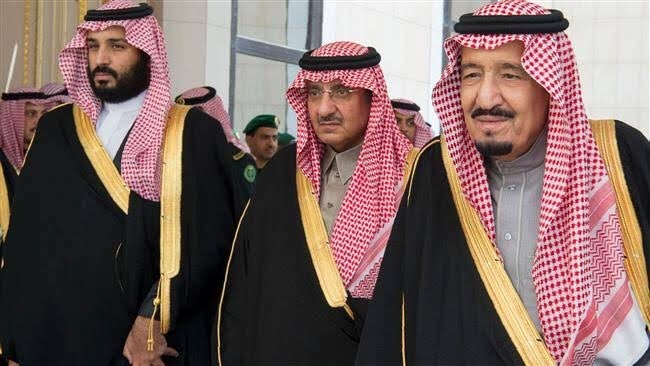
3️⃣ 🇸🇦 Al Saud – ~$210B (Saudi royal family, oil wealth & state-linked assets)
The Al Saud family derives its immense wealth from Saudi Arabia’s vast oil reserves and its control over key state-linked assets. Central to this wealth is Saudi Aramco, one of the most valuable and strategically important energy companies in the world.
The family’s financial influence is closely intertwined with the national economy, making it difficult to separate personal and state wealth entirely.
In recent years, the Al Saud family has actively pursued economic diversification through initiatives such as Vision 2030, which aims to reduce dependence on oil by investing in sectors like tourism, entertainment, infrastructure, and technology.
These efforts are designed to ensure long-term economic sustainability while maintaining their global influence in energy markets. Despite fluctuations in oil prices, their wealth remains substantial due to the sheer scale of their resources and assets.
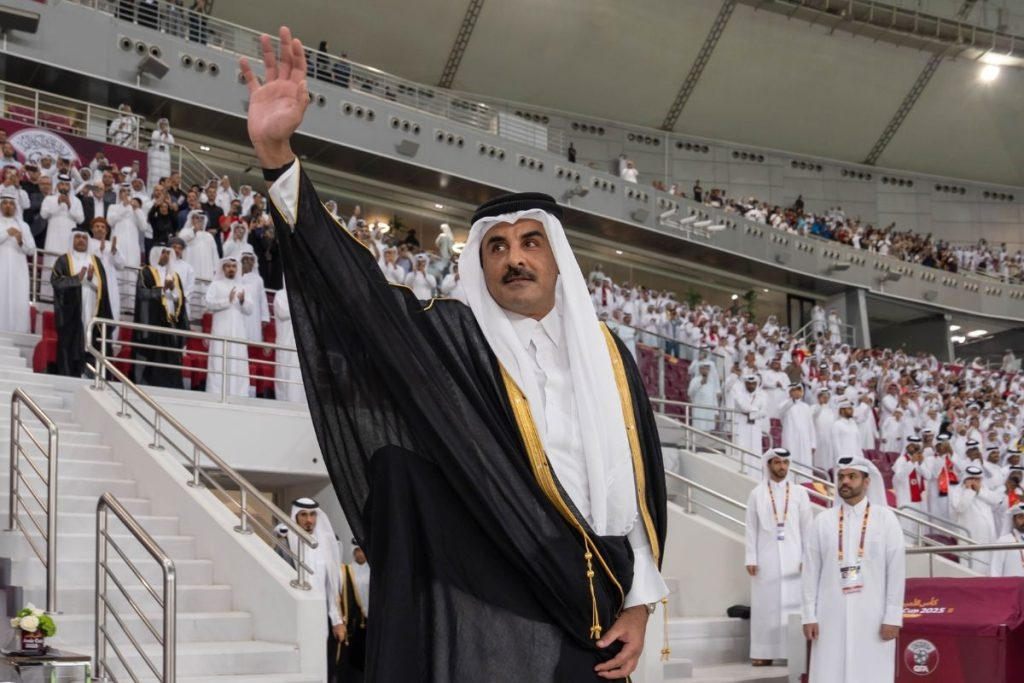
4️⃣ 🇶🇦 Al Thani – ~$195B (Qatar ruling family, global investments & energy sector)
The Al Thani family has built its wealth primarily through Qatar’s leadership in the global natural gas industry, particularly liquefied natural gas (LNG).
This resource has positioned Qatar as one of the wealthiest nations per capita, with the ruling family benefiting significantly from its export revenues. Beyond energy, the family has expanded its global presence through strategic investments managed by the Qatar Investment Authority.
These investments include high-profile assets in major cities, stakes in multinational corporations, and partnerships across finance, sports, and infrastructure. The Al Thani family’s approach focuses on long-term value creation and diversification, ensuring their wealth continues to grow even as global energy dynamics evolve.
Their financial strategy reflects a balance between resource-based income and global investment exposure.
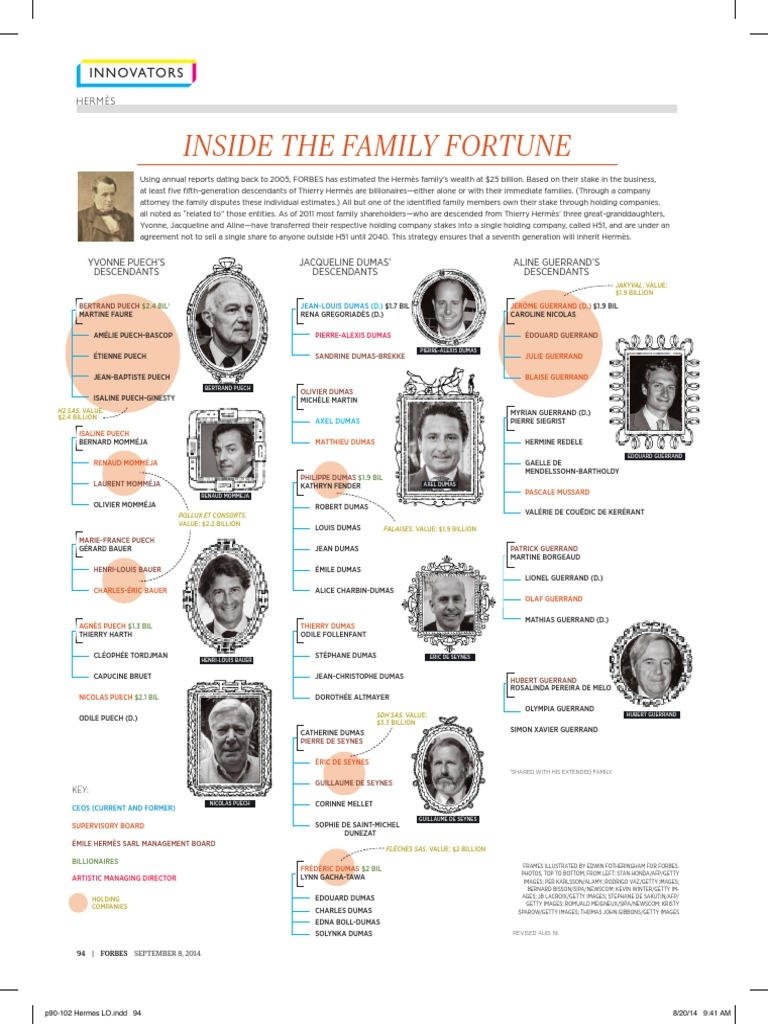
5️⃣ 🇫🇷 Hermès – ~$180B (Luxury fashion house ownership)
The Hermès family represents a different model of wealth creation, built not on natural resources or mass-market scale, but on exclusivity, craftsmanship, and brand heritage.
As controlling shareholders of the Hermès fashion house, the family has preserved the company’s independence and long-term vision.
Known for its iconic luxury products, Hermès maintains a strategy centered on limited production, exceptional quality, and strong brand identity. This approach has allowed the company to command premium pricing and maintain high demand globally.
Unlike many competitors, Hermès has resisted aggressive expansion, choosing instead to protect its exclusivity and reputation.
The family’s disciplined governance and commitment to tradition have resulted in steady financial growth, making them one of the most successful luxury dynasties in the world.