

Over the few years blockchain technology has started to change industries that were once completely controlled by a single entity. One of the exciting areas that is experiencing this change is gaming. Traditional gaming economies have always been controlled by developers and publishers leaving players with little control over the items, currencies and assets they spend time acquiring.
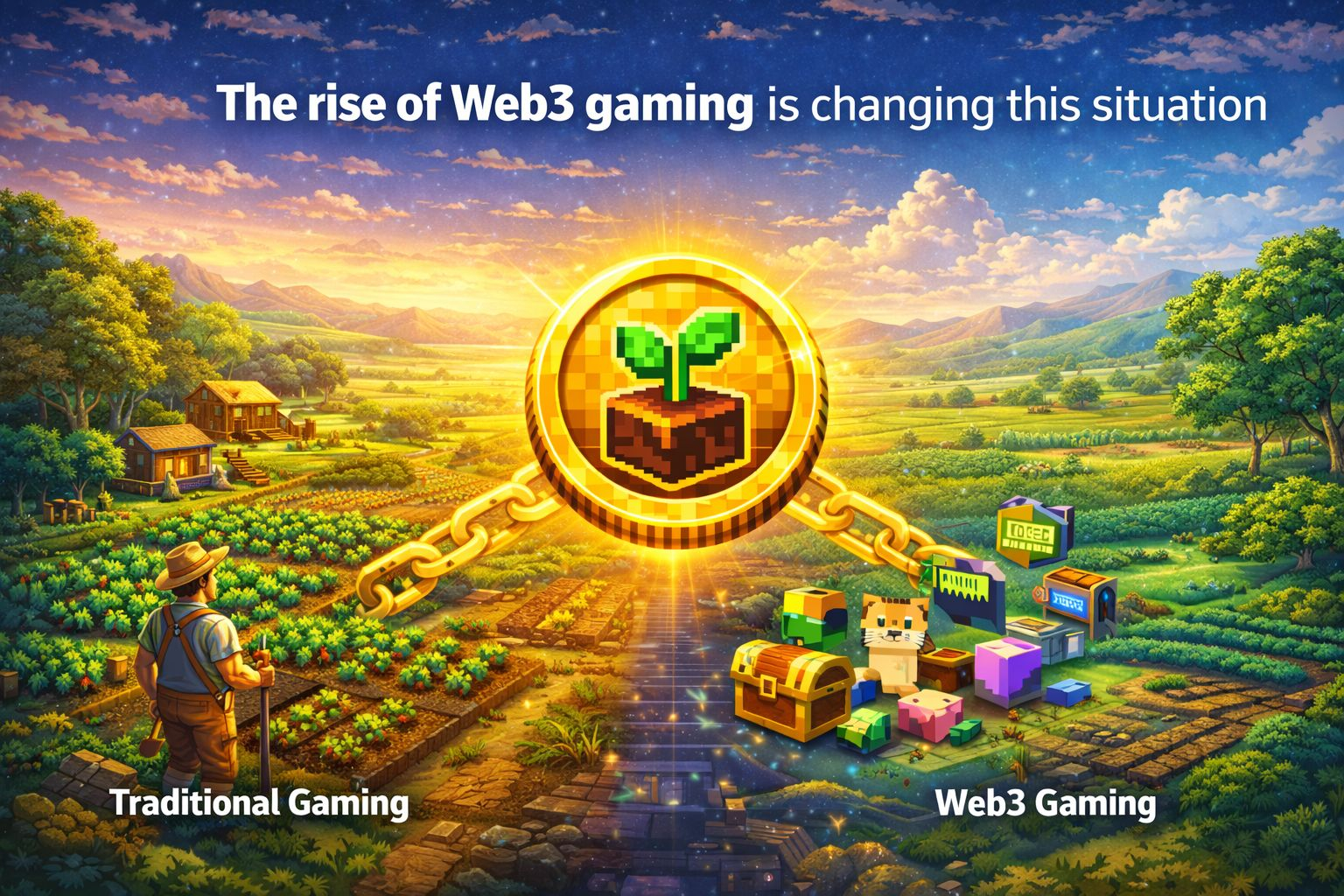
The rise of Web3 gaming is changing this situation.
By combining blockchain technology with gameplay, Web3 games allow players to truly own digital assets, trade them freely and participate in economies that are not controlled by a single entity. As this sector expands several gaming tokens are gaining attention from investors and gamers.
One of these emerging tokens is the utility token powering the Pixels ecosystem, known as Pixels (PIXEL).
But the key question many investors and gamers are asking today is simple.
If Web3 gaming continues to grow what kind of future could PIXEL coin potentially have?
To answer this we need to explore the broader Web3 gaming landscape, understand how the Pixels ecosystem works and examine the role that the PIXEL token could play in the coming years.
The Evolution of Gaming Economies
To understand the potential of PIXEL we first need to look at how gaming economies have evolved.
For decades video games operated within closed ecosystems. Players could purchase items, skins, currencies and upgrades but they never truly owned them. These assets remained locked within the game's servers and could not be transferred or sold outside the platform.
Players spent billions of dollars each year on digital assets that essentially disappeared when they stopped playing.
Blockchain technology introduced a new concept known as digital ownership.
Through decentralized networks and tokenized assets players can now own in-game items in a verifiable way. These items can often be traded on marketplaces, transferred between players or even used across platforms.
This shift has given birth to a new model known as play-and-own gaming which is rapidly gaining traction across the industry.
In this environment tokens like PIXEL are not just currencies. They are components of entire virtual economies.
The Rise of Web3 Gaming
The growth of Web3 gaming has been driven by several key factors.
First blockchain technology enables true ownership of digital assets. When a player earns or purchases an item represented on-chain that item becomes a real asset rather than a temporary in-game reward.
Second decentralized economies create new incentive structures. Players can earn tokens, participate in governance and trade assets within open marketplaces.
Third global accessibility allows players from different regions to interact with the same digital economy.
These elements together have created a new gaming paradigm that blurs the line between entertainment and digital economies.
As a result Web3 gaming has attracted increasing attention from investors, developers and technology companies.
If this sector continues expanding the tokens powering these ecosystems may experience increasing demand.
Understanding the Pixels Ecosystem
Pixels is a blockchain based farming and exploration game that combines community interaction, economic gameplay and digital ownership.
The project gained attention because of its accessible gameplay and its integration of blockchain based economies. Rather than focusing solely on speculation, Pixels emphasizes gameplay loops, social interaction and long term player engagement.
Within this ecosystem the PIXEL token acts as a central utility asset.
It plays several roles that help sustain the in game economy.
Players may use PIXEL for different purposes such as purchasing in game assets, accessing certain gameplay features or interacting with economic systems inside the game world.
This structure gives the PIXEL token real functional relevance within the ecosystem rather than existing purely as a speculative asset.
When gaming ecosystems rely on a token to power internal transactions the token becomes closely tied to player activity.
As the player base grows the demand for that token can potentially grow as well.
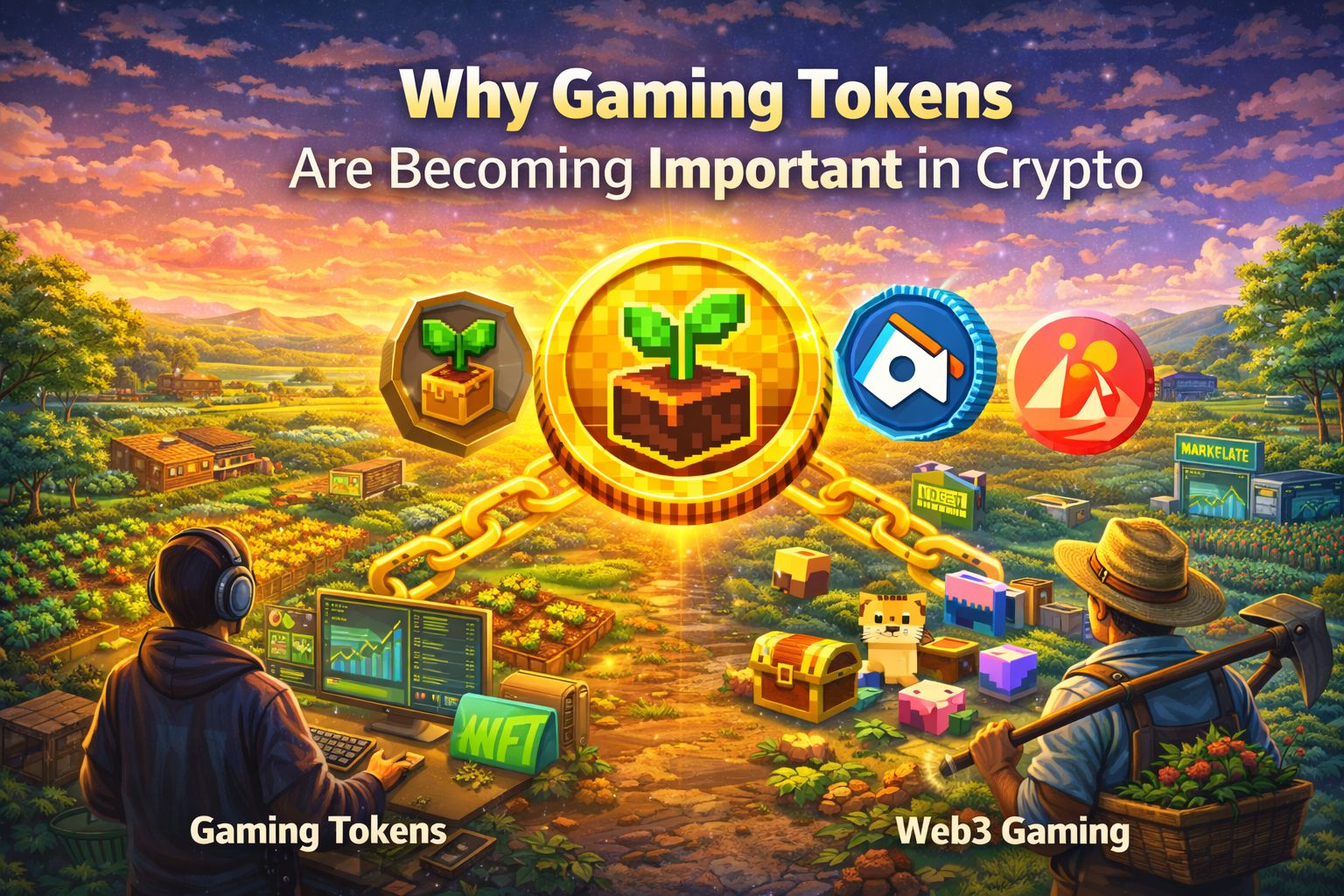
Why Gaming Tokens Are Becoming Important in Crypto
Gaming tokens represent a unique category within the cryptocurrency market.
Unlike many digital assets that rely primarily on speculation gaming tokens often derive value from actual user participation within a digital economy.
This means their long term sustainability may depend on several factors such as player adoption, game engagement, ecosystem expansion and developer innovation.
When these factors align successfully gaming tokens can benefit from organic demand generated by players rather than only traders.
PIXEL sits within this category of utility driven tokens.
Its potential future depends not only on market speculation but also on the continued growth of the Pixels ecosystem and Web3 gaming adoption.
How Player Growth Could Impact PIXEL Demand
One of the most important factors influencing the future of PIXEL is player adoption.
In gaming economies activity often drives demand.
If more players enter the ecosystem they may need tokens to interact with the game's economy. This can include purchasing items, upgrading assets or participating in certain game mechanics.
As the user base expands transactional demand within the ecosystem may increase.
However growth in demand must also be balanced with token supply dynamics.
Tokenomics, the economic design of a token's supply and distribution, plays an important role in determining how demand impacts price behavior.
A well designed token economy can help ensure that the ecosystem remains sustainable as it grows.
The Role of Community in Web3 Gaming
Community participation is one of the defining features of Web3 ecosystems.
Unlike traditional games where decisions are made solely by developers, Web3 projects often involve communities in governance, feedback and ecosystem development.
Strong communities can significantly influence a project's success.
Players who feel invested in a game's economy are more likely to remain active participants, contribute ideas and attract new players.
The Pixels ecosystem has cultivated an active player community that engages with the game’s economy and social features.
If this community continues to expand it could strengthen the network effects surrounding the PIXEL token.
Network effects occur when a product becomes more valuable as more people use it.
In gaming this can appear through social interaction, economic activity and content creation.
The Impact of Web3 Gaming Trends
Several broader trends within Web3 gaming could influence the future of PIXEL.
One trend is the shift toward player owned economies where players can own land, assets or resources within virtual worlds.
Another trend involves interoperable digital assets where items may eventually move between multiple platforms or ecosystems.
Additionally developers are increasingly focusing on gameplay quality rather than purely token incentives.
This shift is important because sustainable gaming ecosystems depend on enjoyable gameplay experiences.
If Web3 gaming evolves toward high quality player driven worlds tokens associated with active ecosystems may benefit from sustained usage.
Challenges Facing Web3 Gaming Projects
While the future of Web3 gaming appears promising it also faces several challenges.
Maintaining economic balance within a tokenized ecosystem can be difficult. Poorly designed reward systems can lead to inflation or unsustainable token emissions.
Attracting long term players also requires compelling gameplay experiences. Without engaging mechanics players may lose interest quickly.
Regulatory developments across different regions could also influence how blockchain based gaming projects operate.
Projects that successfully navigate these challenges are more likely to sustain long term growth.
For PIXEL the ability of the Pixels ecosystem to maintain balanced tokenomics and engaging gameplay will likely be critical.
The Importance of Ecosystem Expansion
Another factor that could shape the future of PIXEL is ecosystem expansion.
Successful Web3 projects often grow beyond a single product.
They may introduce additional features, partnerships, community tools or integrations that expand their digital economy.
These additions can deepen user engagement and increase activity within the ecosystem.
If the Pixels ecosystem continues expanding while maintaining strong player engagement the role of the PIXEL token may become increasingly significant.
Market Sentiment and Investor Interest
Beyond gameplay and ecosystem design market sentiment also plays a role in determining the visibility of gaming tokens.
During periods when the broader crypto market focuses on sectors such as DeFi, NFTs or gaming certain tokens may experience increased attention.
Gaming narratives have historically gained momentum during bull market cycles.
If Web3 gaming becomes one of the dominant narratives in future crypto cycles tokens associated with active gaming ecosystems could attract greater investor interest.
However market cycles can be unpredictable and sentiment can change quickly.
Long term sustainability depends on real utility rather than short term hype.
Long Term Possibilities for PIXEL
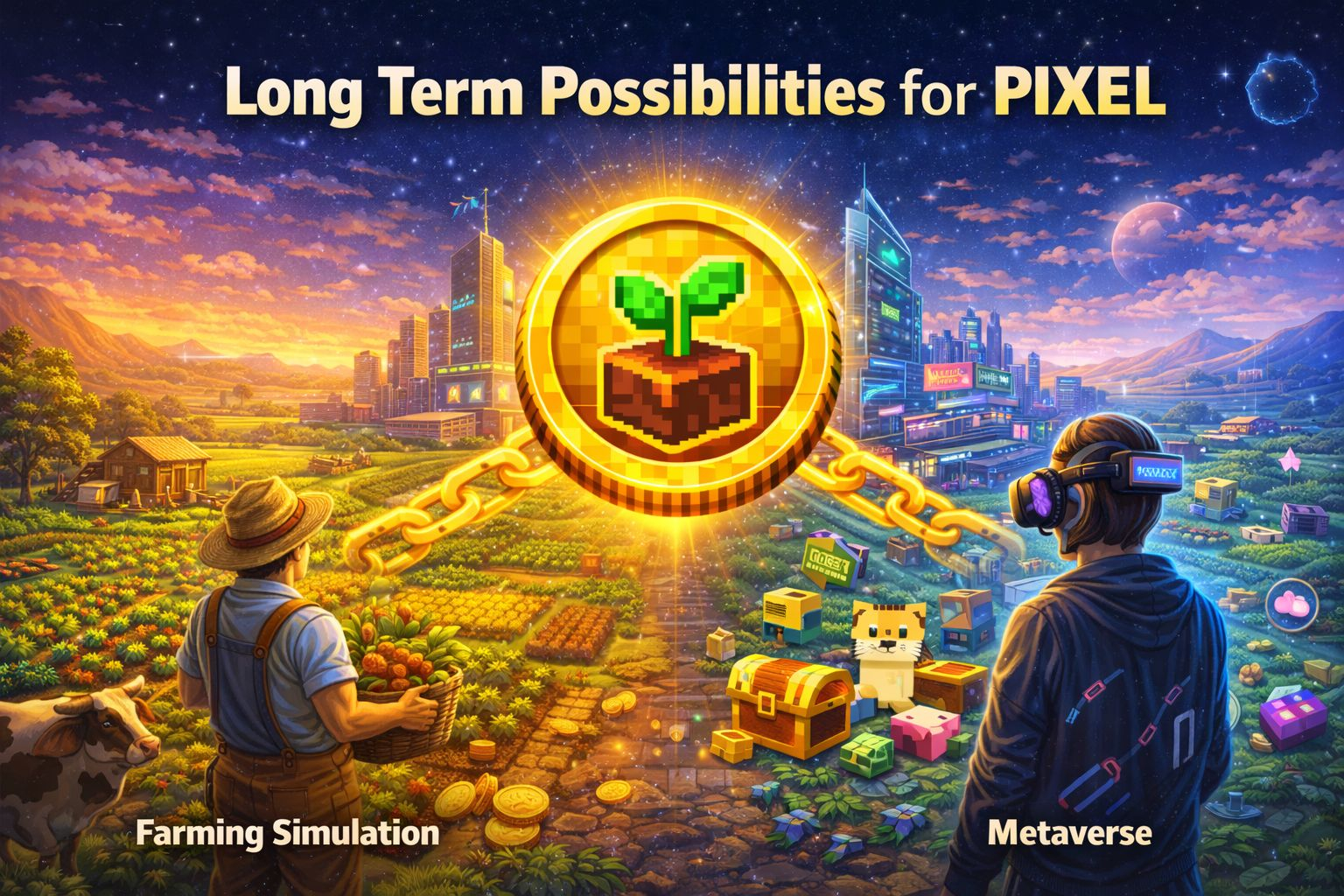
If Web3 gaming continues expanding several possible scenarios could shape the future of PIXEL.
In a strong growth scenario the Pixels ecosystem could attract a large player base leading to sustained transactional demand within the game.
In a moderate growth scenario the project could maintain a stable community while gradually expanding its ecosystem.
In a slower adoption scenario growth might depend more heavily on broader industry developments.
These possibilities highlight the importance of evaluating both ecosystem fundamentals and industry trends.
The future of PIXEL will depend largely on how effectively the project adapts to evolving Web3 gaming dynamics.
Final Thoughts
The intersection of gaming and blockchain technology is still in its early stages.
Web3 gaming represents an experiment in creating digital worlds where players participate not only as gamers but also as economic participants.
Within this emerging landscape tokens like PIXEL act as the economic engines powering virtual ecosystems.
If Web3 gaming continues growing and attracts players from around the world projects that successfully combine engaging gameplay, balanced tokenomics and strong communities could play a major role in the industry's future.
How successful PIXEL becomes will ultimately depend on the continued development of the Pixels ecosystem and the broader adoption of Web3 gaming.
For now it remains one of many projects exploring how decentralized digital economies might reshape the gaming world.
And as the industry continues evolving one question remains.
Could PIXEL become one of the tokens that defines the future of blockchain gaming?