
Table of contents
I. Core Conclusions (Qualitative First, to Avoid Directional Errors)
II. Issuance Structure (Standardized "Oil RWA Three-Tier Structure")
III. Issuance Path (Choose one of three or a combination)
IV. Valuation and Audit (Determining whether fundraising is possible)
V. Custody and Cash Flow (Core Compliance)
VI. Technical Architecture
VII. Issuance Execution SOP (Strict Timetable)
8. Exit Mechanism (A Decisive Factor in Whether LPs Invest)
IX. Key Risks and Hedging (Must be addressed upfront)
10. Final Standard Structure
XI. Key Recommendations
The entire process of compliant issuance of Canadian oil assets RWA—"regulation-structure-issuance-funding-exit"—has been streamlined, while key ambiguities (especially securities attributes, custody, valuation, and issuance path) have been tightened to enforceable, fundraising, and auditable standards.
A Huge Opportunity Behind 850,000 Oil and Gas Wells: Why Canada is Becoming a “Certainty Hotspot” for Global Energy Capital
I. Core Conclusions (First, define the nature of the issue to avoid directional errors)
1. In Canada, RWA (Rich Dollar Asset) is equivalent to securities (without exception).
According to the unified definition of Canadian Securities Administrators, it is classified as an Investment Contract and must be processed through securities law.
2. It's not "token issuance," but rather "cash flow securitization + on-chain registration."
Essentially similar:
> Oil Cash Flow ABS + Private Placement + Tokenized Register
3. The regulatory entry point is not a single agency, but rather a "four-tiered collaboration".
Dimensions, Institutional Regulators, Securities Regulatory Authority (Alberta Securities Commission), Unified Coordination, Canadian Securities Administrators, Energy Data (Alberta Energy Regulator), Financial Soundness, Office of the Superintendent of Financial Institutions, Taxation, Canada Revenue Agency
👉 If any one of these conditions is missing, the project will not be approved / will not be able to raise funds.
II. Issuance Structure (Standardized "Oil RWA Three-Tier Structure")
1) Underlying Asset Layer
The assets must meet the following requirements:
* Located in Western Canada Sedimentary Basin
* NI 51-101 Reserves Report (PDP-based)
* Produced ≥ 6–12 months ago
* Auditable cash flows
👉 Prohibited:
* Exploration assets
* Unproduced oil wells
* Resource reserves only (no cash flow)
2) Legal protection layer (SPV + Trust)
Standard structure:
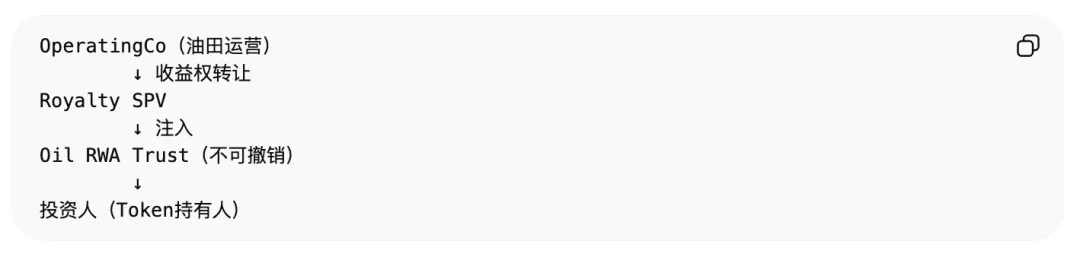
Key requirements:
* Bankruptcy Remote
* Only the right to income is transferred, not the mining right.
* The trustee must be a licensed entity in Canada.
Recommended hosting:
Tetra Trust
3) Token Layer
Legal definition of Token:
> Beneficial Interest in Trust Cash Flow
That is: Trust beneficiary share certificates (on-chain registration form)
III. Issuance Path (Choose one or a combination of the three)
Path 1: Private Placement Exemption (Mainstream)
in accordance with:
* NI 45-106(Prospectus Exemption)
Target audience:
* Accredited Investors
* Family Offices
* Energy Funds
Features:
* ✔ Can be implemented quickly
* ✔ Lowest cost
* ✖ Liquidity Restricted (Lock-up Period)
Path 2: CSA Regulatory Sandbox
Apply through the CSA Regulatory Sandbox:
use:
* Test Token Transactions
* Relaxing some compliance restrictions
Applicable to:
Secondary Market Design
* Innovative structures (such as integration with DeFi)
Path 3: Project Tokenization (Strongly Recommended)
CSA Official Implementation Plan:
* Direct communication structure with regulators
* Get Exemptive Relief
* Lock in regulatory attitude in advance
👉 Practical suggestions:
Participation is mandatory (otherwise, the later approval costs will be higher).
IV. Valuation and Audit (determining whether fundraising is possible)
1) Reserves assessment (mandatory)
use:
* GLJ Petroleum Consultants
* Sproule Associates
standard:
*IN 51-101
* PDP / 2P splitting
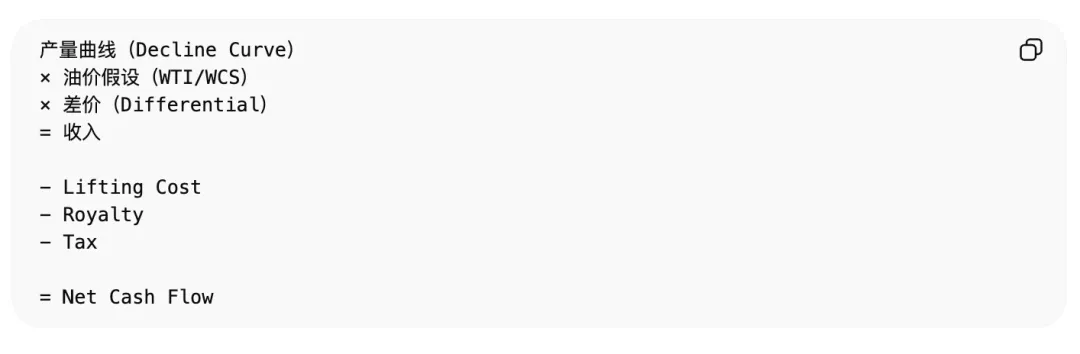
2) Cash Flow Model (Core)
Must include:
3) Valuation system (three investment banking-grade systems)
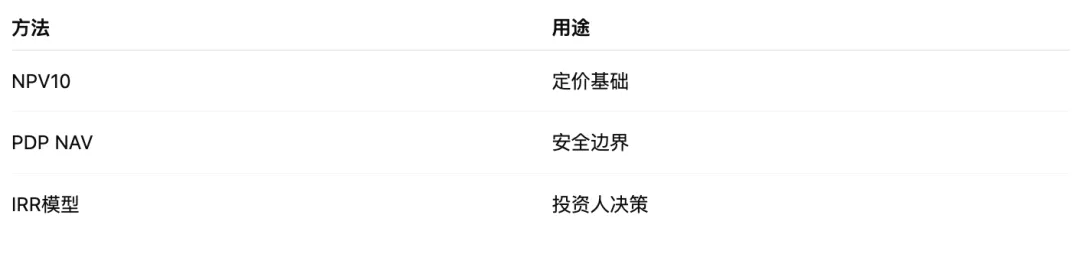
👉 Token pricing must be anchored:
Discounted cash flow (DCF), not oil price
V. Custody and Cash Flow (Core Compliance)
1) Closed-loop funding mechanism (must be achieved)
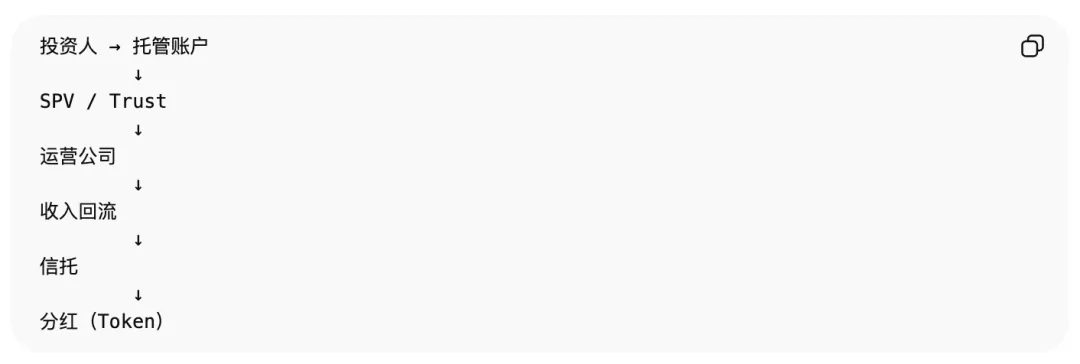
2) Stablecoin/fiat currency system
recommend:
* CAD stablecoin (regulated by OSFI)
* Or bank channels (RBC / ATB)
Involved organizations:
* Royal Bank of Canada
* ATB Financial
3) Custody Standards (CIRO Requirements)
in accordance with:
* Canadian Investment Regulatory Organization
Require:
* Cold storage
Multiple signatures
* Audit traceability
VI. Technical Architecture
in principle:
👉 Law first, technology later
Recommended solution
1) Compliance Chain
* Polymesh (preferred)
or
* Hyperledger Fabric
2) Core Module
* Investor Whitelisting(KYC)
* Token Registry (Authorization)
* Distribution Engine (profit sharing)
* Compliance Transfer
3) Oracle data
Connection required:
* AER production data
* Oil price index
* Sales Contract
VII. Issuance and Implementation SOP (Strict Timetable)
Phase 1 (0–60 days): Assets and Legal Matters
* Reserves Report (NI 51-101)
* SPV + Trust Establishment
* Legal Opinion
Phase 2 (60–120 days): Regulation and Structure
* ASC Communication
* CSA Tokenization Application
Private equity firms are exempt from filing requirements.
Phase 3 (120–180 days): Technology and Release
* Token Deployment
* Hosting and Integration
* Roadshow + Fundraising
Phase 4 (180+ days): Operations
Monthly bonus
Quarterly Audit
* Annual valuation
8. Exit Mechanism (A Decisive Factor in Whether LPs Invest)
It must be written into legal documents:
1) Buyback mechanism (mandatory)
text
Repurchase price = NAV or target IRR (8–12%)
2) Secondary Market
* Compliant Digital Securities Platform
* Or related sections of TSX Venture
3) Asset Sale
Sold to:
* Oil and gas companies
* PE Fund
IX. Key Risks and Hedging (Must be addressed in advance)

10. Final Standard Structure (can be directly written into BP)
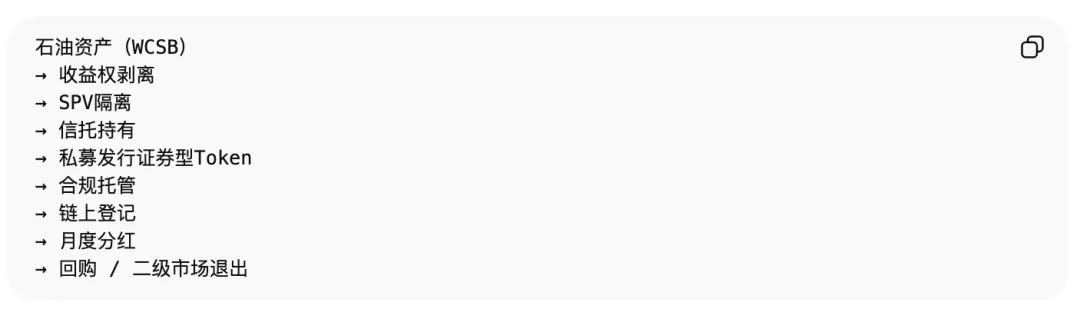
XI. Key Recommendations
"Compliance Framework," with three key enhancements:
1) From "Path Description" → "Structure Locking"
✔: Legal Definition of SPV + Trust + Token
2) From "Understanding Regulatory Oversight" to "Issuance Capability"
✔ :
* Private Placement Structure
* Investor Types
* IRR Logic
3) From "technology-oriented" to "cash flow-oriented"
✔ :
The core issue is cash flow, not the supply chain.
If your next step is to truly implement it
These three parts are very important:
1) Fundraising version (most important)
* IRR model (including oil price sensitivity)
* Hierarchical structure (Senior / Mezz)
* Investment Terms (Lock-up/Repurchase)
2) Legal document package
* PPM (Private Placement Prospectus)
* Trust Deed
* Token Terms
3) Valuation Model
* NPV10 / PDP NAV
* Can be used directly for SPAC / RWA
The following are the cooperative business opportunities in Canadian oil and gas exploration:
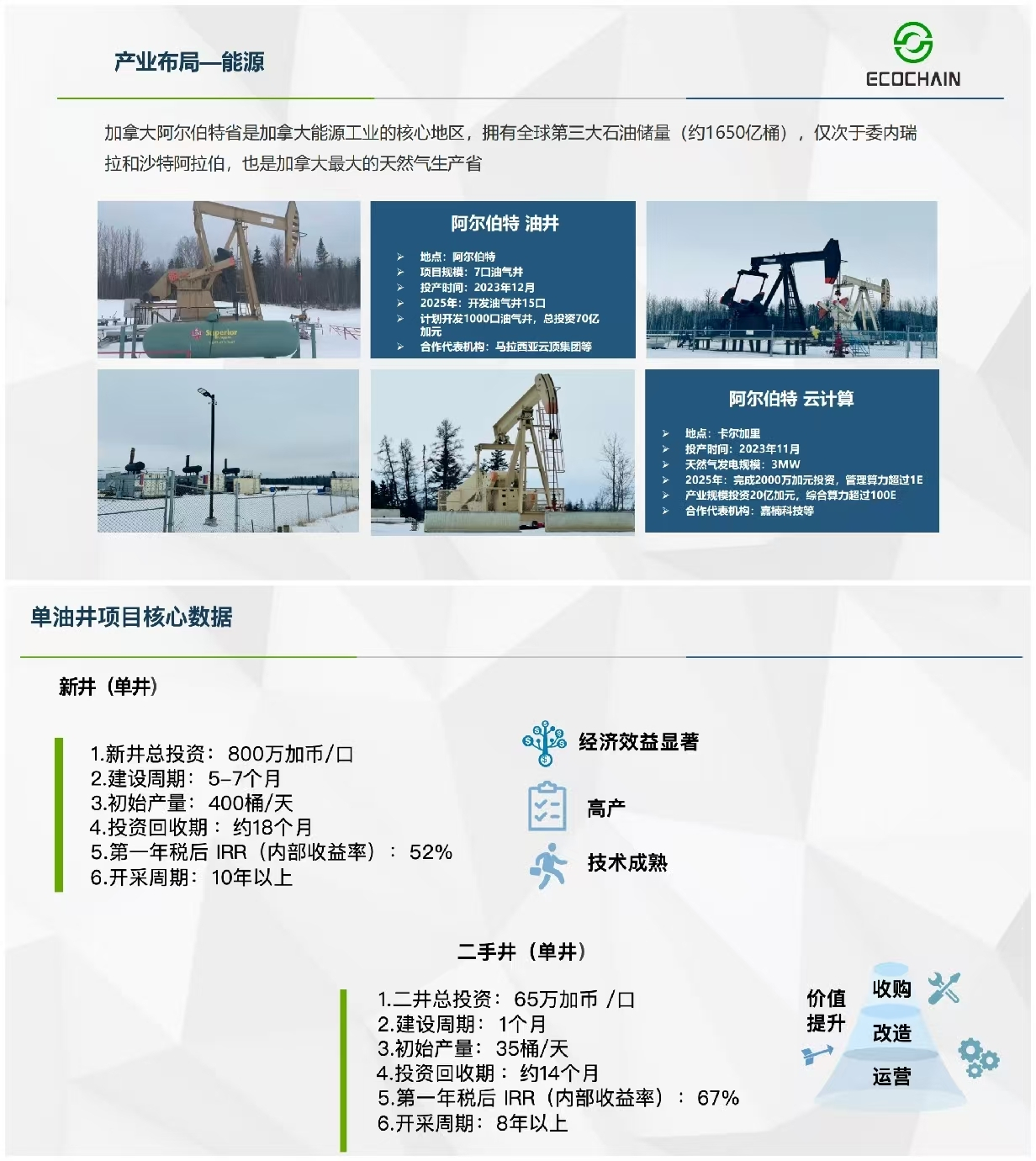
Add WeChat VCBLO1 (please include your name and collaboration needs in your message).