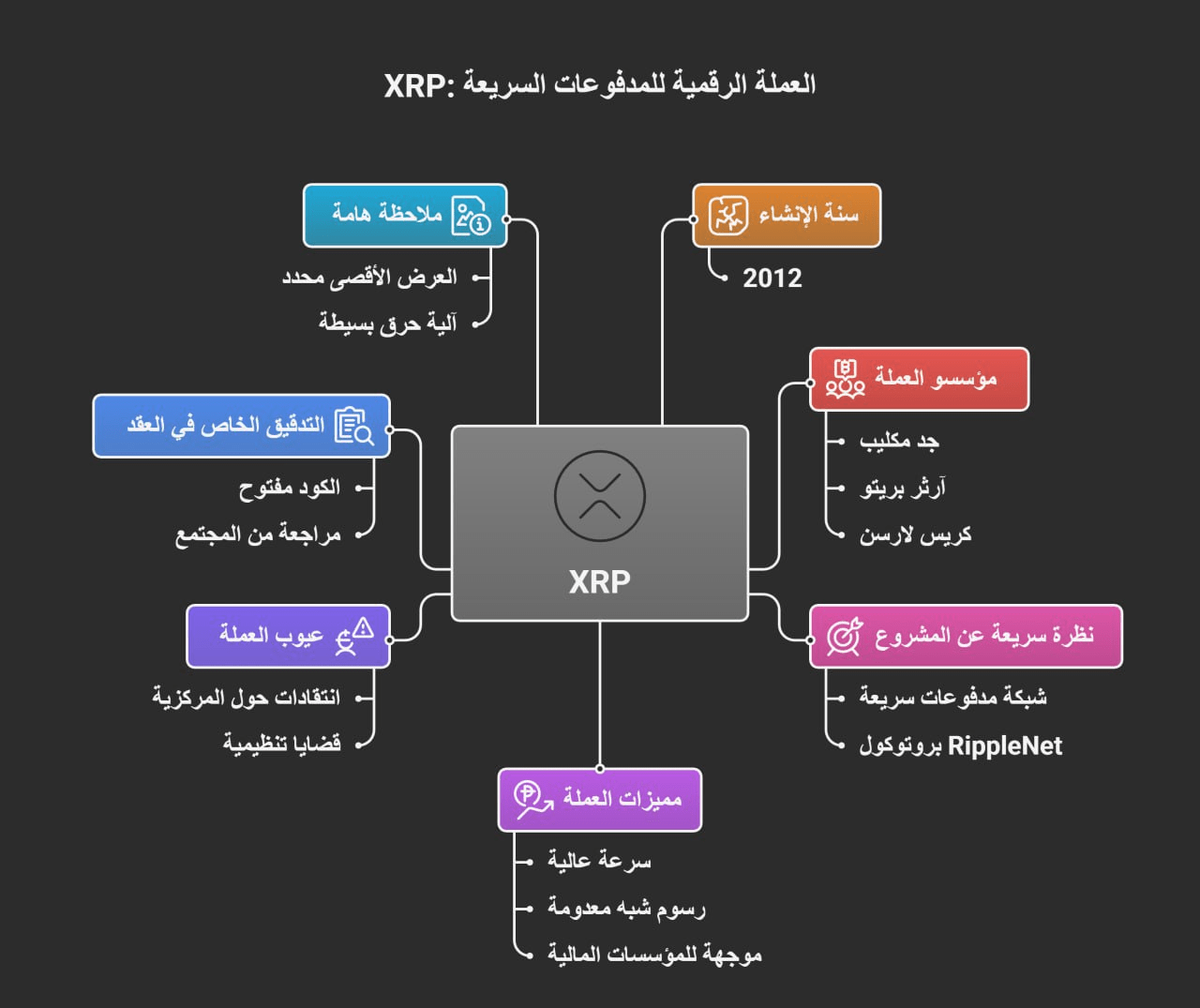
Digital Currency: $XRP
Year of Establishment: 2012
Currency Founders: Jed McCaleb, Arthur Britto, Chris Larsen
Country of Founders: United States of America
▎Project Overview:
XRP is part of the RippleNet network, designed to be a fast and efficient payment platform targeting banks and money transfer companies. Ripple aims to improve the speed and efficiency of cross-border financial transfers, facilitating global financial operations.
Features:
• High speed: Transactions are characterized by their quick execution, reducing the time required for transfers.
• Nearly zero fees: Ripple offers very low transaction fees, making it an attractive option for financial institutions.
• Aimed at financial institutions: XRP is designed to meet the needs of banks and remittance companies, enhancing its use in the financial sector.
Disadvantages:
• Criticism of centralization: Ripple faces criticism regarding its centralized nature, as it is considered that the control of the currency is somewhat centralized.
• Regulatory issues: Ripple faces legal problems, most notably the lawsuit filed by the U.S. Securities and Exchange Commission (SEC), which has affected its market reputation.
Audit and transparency:
The code for XRP is open and reviewed by the community, enhancing the project's transparency. However, the auditing of smart contracts is not heavily promoted, as XRP is not a DeFi platform in the traditional sense.
Important notes:
The maximum supply of XRP is set at 100 billion units, with a simple fee-burning mechanism that leads to slight contraction over time. Although no significant protocol breaches have been recorded, the challenges it faced were more regulatory than technical.