After the first occurrence of such an event, the next was a severe hack on the exchanges at that time, resulting in heavy losses and a 90% price collapse.
The second time was triggered by the pandemic, causing a circuit breaker in the US stock market, global panic, and a 70% crash
The third time was when the exchange itself experienced a crisis, triggering a tsunami, with prices dropping by 80%
Considering the historical events at that time, the narrative of cryptocurrency itself was not a major issue, but rather the trading environment changed drastically, such as exchanges and the US stock market. Recently, the price of coins has weakened, but there has been a large outflow of BTC, which raises the question of whether this indicates another black swan in the future. Coupled with Trump's unpredictable policies and global isolationism, according to historical projections, there is a high chance of an unexpected danger unfolding in the next 90 days.
The exchanges have already suffered losses twice, so it is unlikely to happen again. Now exchanges have strengthened their reserve proof and compliance, and even if there is a collapse, it will only be small exchanges, which won't have a significant impact on the environment.
There are still the underlying trading assets of virtual currencies and stablecoins left. Recently, there have been so many stablecoins born that it's almost a 'stablecoin year'. Stablecoins essentially absorb some of the functions of Bitcoin, which is why Bitcoin has not reached the expected heights of 160,000-200,000. This can also be seen from Cathie Wood's downward revision of her outlook on Bitcoin.
But with so many stablecoins, are they really stable? Now many projects just set up a webpage, start staking, and then begin exchanging for their stablecoins, offering annual returns of 15%-20%. There are indeed people who dare to dive in, such as USDai (used to buy Nvidia graphics cards for investment) and USDD (Sun Ge exchanging old coins for your real U). Honestly, it's a bit frightening.
Not long ago, I posted asking if Zerobase had shut down. The official website's node servers all showed 404 errors, GitHub hasn’t been updated, and all documents are invisible and blocked. Then, there was a hacker attack that stole U, what a 'coincidence'.
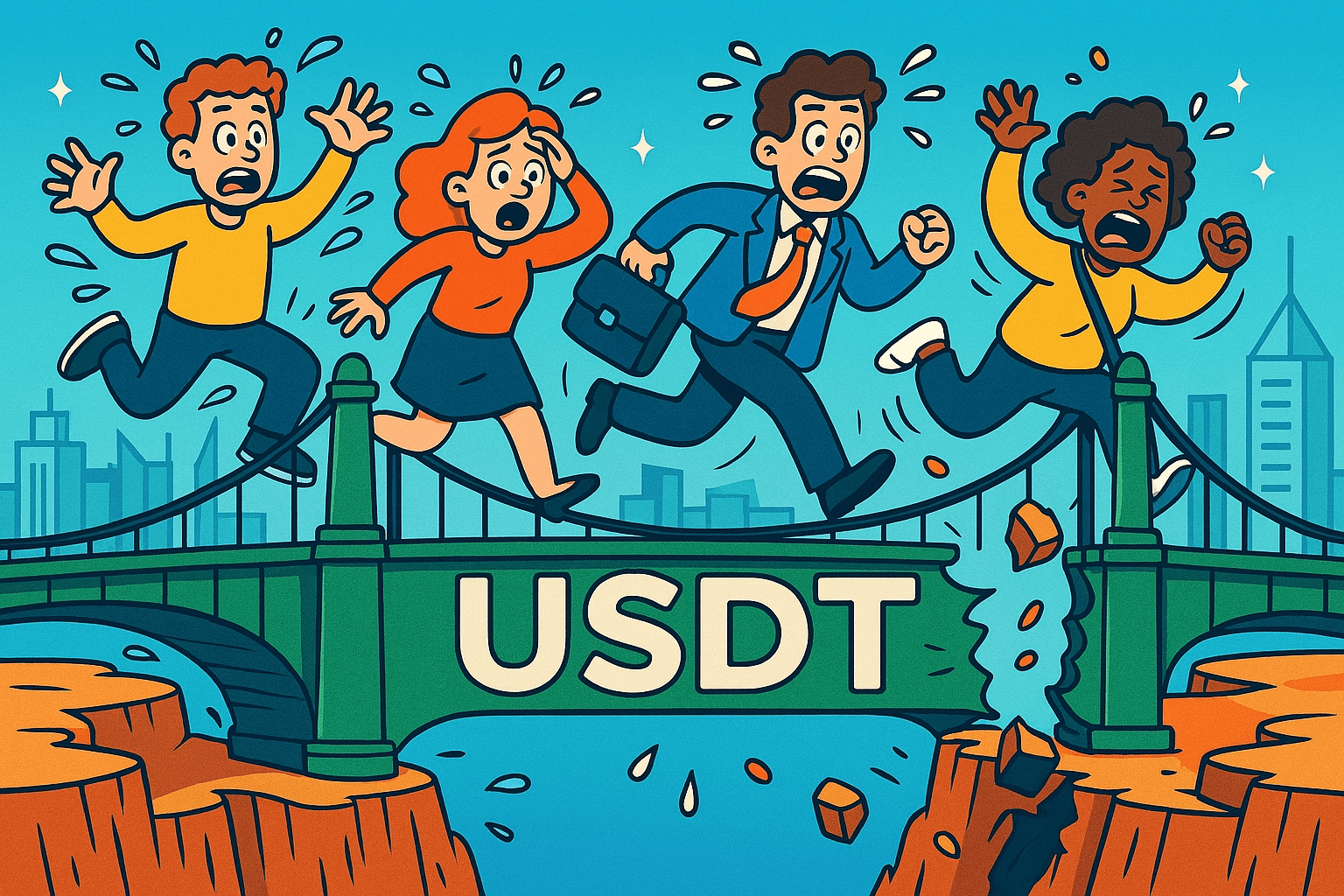
Although USDT is widely used, its rating has recently been downgraded. Buying gold and Bitcoin, using the most illiquid assets as collateral, can lead to catastrophic results during a bank run. Fortunately, gold has been rising recently, and silver is also on the rise. Once this wave of rare metals passes, with audit issues exposed, and Trump comes out with statements that all dollar-denominated goods will be taxed or some regulations targeting non-compliant stablecoins, the consequences could be quite terrifying.
From a historical perspective, financial products or models must have caused significant losses to some people before they can survive, develop, and truly become reliable models with relevant risk control capabilities.
For the next 90 days, I advise everyone to remain cautious and make careful choices. Huge risks are often accompanied by huge opportunities.
Recently, the DEX narrative has been very popular. It looks great, but there are also undercurrents. These two have the potential to disrupt the current crypto space and trigger a crisis of trust.
The above views, if there are any differences, can be shared with everyone in the comments.