

$ETH
The U.S. dollar has been losing strength recently, and this kind of movement does not happen without a reason. When a major currency starts falling, it usually means there is pressure building behind the scenes.
Right now, the United States has over $34 trillion in debt. At this level, fixing the problem is not easy.
Raising taxes is not enough
Cutting spending is very difficult
Growing the economy fast enough is unrealistic
So historically, governments choose another option.
📉 Currency Devaluation (Inflation)
When a currency becomes weaker, the real value of debt also becomes smaller. This makes debt easier for governments to manage and less painful politically.
But there is a hidden cost.
That cost is paid by ordinary people.
People holding cash
People with savings
People on fixed incomes
Their purchasing power slowly decreases over time.
🔄 What Usually Happens Next?
If the dollar continues to weaken gradually, history shows some common effects:
Hard assets (like commodities) start rising
Risk assets get repriced higher
Anything priced in dollars looks more expensive
Savers lose value
Borrowers benefit
This is not a theory or conspiracy.
It’s basic economics.
When debt becomes too large, governments almost always choose inflation instead of default.
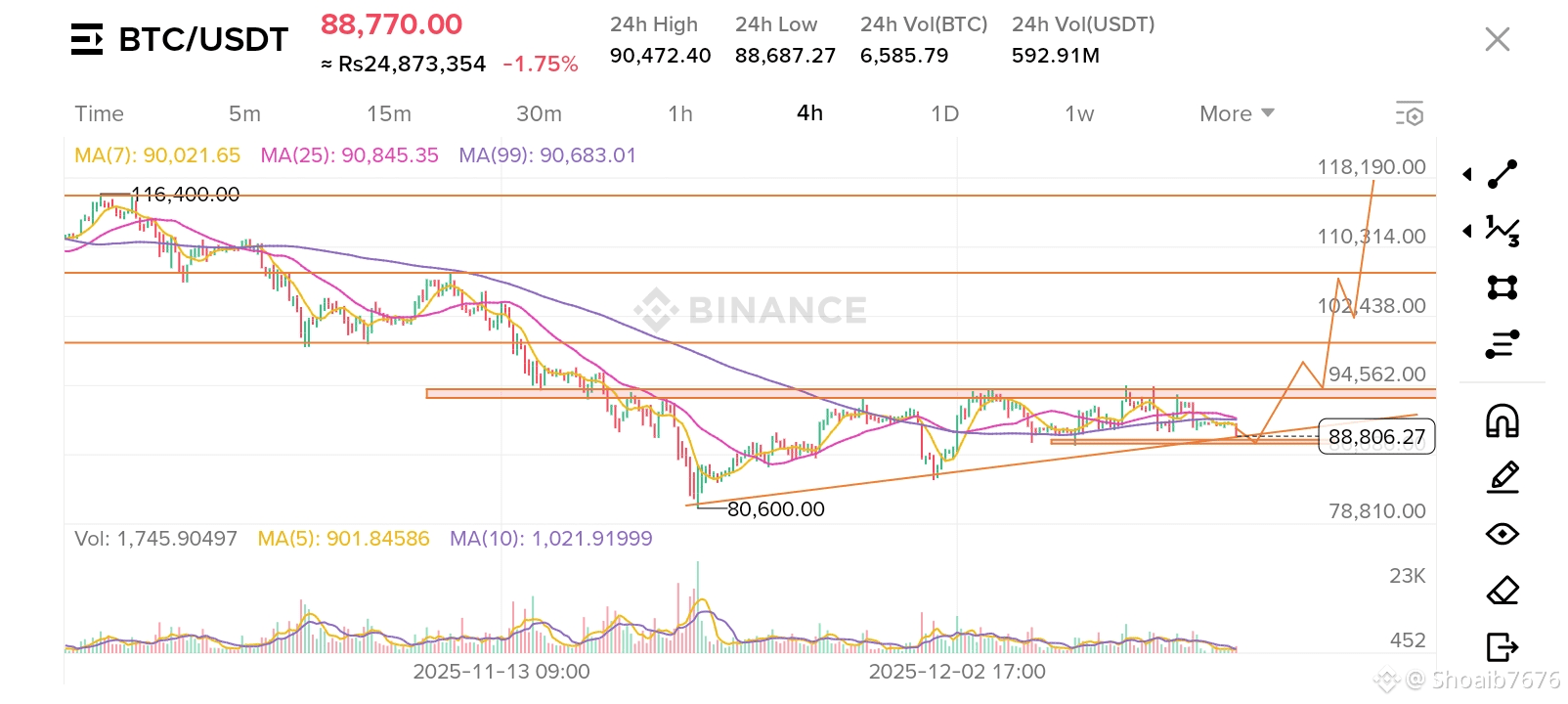
🪙 Why Bitcoin Matters Here$BTC
Bitcoin often performs well in this type of environment.
Why?
Because Bitcoin is priced in U.S. dollars.
If the dollar weakens, Bitcoin’s price in dollar terms usually goes up — not necessarily because Bitcoin changed, but because the value of the measuring currency changed.
While people debate opinions, capital quietly moves.
#BinanceAlphaAlert #TrumpTariffs #CPIWatch #WriteToEarnUpgrade #BinanceBlockchainWeek