
After 30 years working with the internet, having experienced promises like Second Life and many others, I learned to recognize when something can truly be transformative. Brazilians, with their bold culture and avant-garde spirit, have always been early adopters of technologies that can change lives.
Being part of the entrepreneurship team at Facebook gave me a privileged view of the challenge of scaling innovation with reach, culture, and mass adoption. That’s why the World project catches my attention so much — and at the same time, brings me great concerns.
World App: Ads OK. But What Really Matters Is Not Shining
The official ads for December were, at most, mediocre.
The true highlight, in my opinion, was the return of the World Chat — which at first seemed discontinued but returned strong, now with a solid foundation using the XMTP protocol. This goes beyond payments: it revives the spirit of cypherpunks and idealists of the decentralized web, with disruptive tools and purpose.
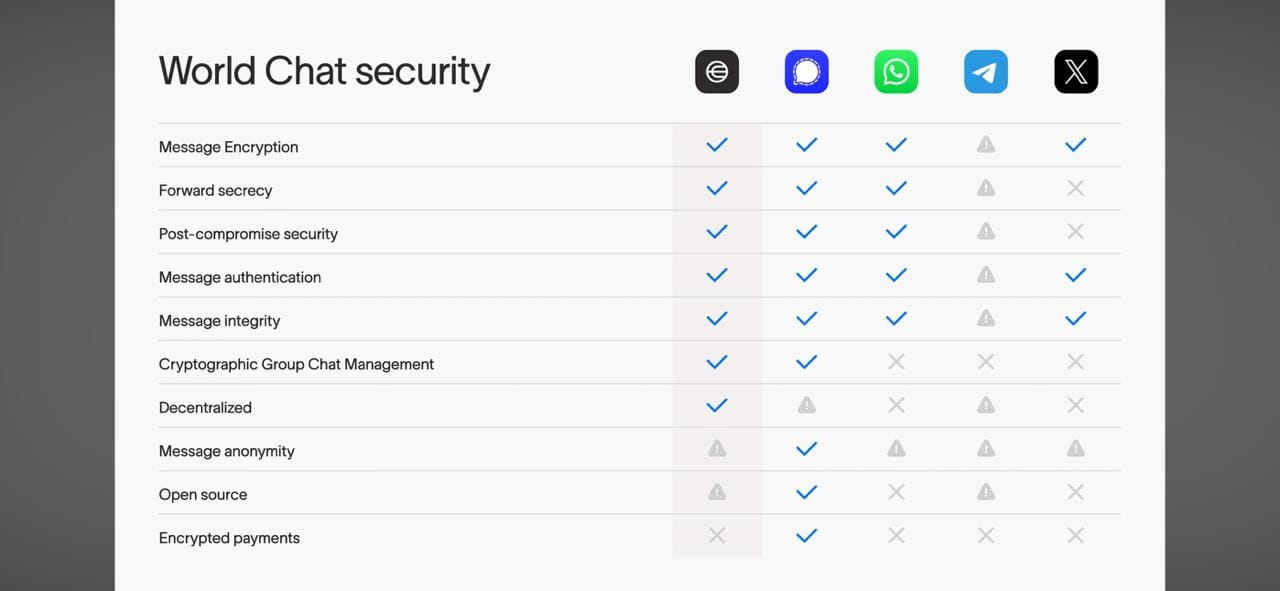
This type of infrastructure is for those looking to build on a firm foundation. And 'solid foundation' is indeed a technological mantra. The problem is that human solidity is absent.
The Human Weakness: The Achilles' Heel of the World
As in every decentralized project, culture represents at least 50% of success. However, in the World, it represents 1%. The lack of effort to build community, identity, and sense of belonging hinders the healthy growth of the ecosystem.
In a Web3 scenario, where there is a legitimate race for community engagement, no project is an island. It is essential to build bridges with organizations like Uniswap, Base, Polkadot, and the Ethereum ecosystem. The World, however, has failed in this aspect.
The future of this project will depend on the coming months and the next two years. There will be events and decisions that could define whether the World will indeed be a reliable and necessary solution in the age of AI — or just another lost idea.
Real case studies, like the ones we are developing at the Web3 Brotherhood, are essential to demonstrate applicability. After all, World is a high-complexity technology with real potential for social impact. But power without responsibility is a trap.
And the question that begs to be asked:
If there were no money involved, how many people would still be working on this project?
An Internet That Changes Too Fast
The way we interact online is changing. AI is accelerating everything.
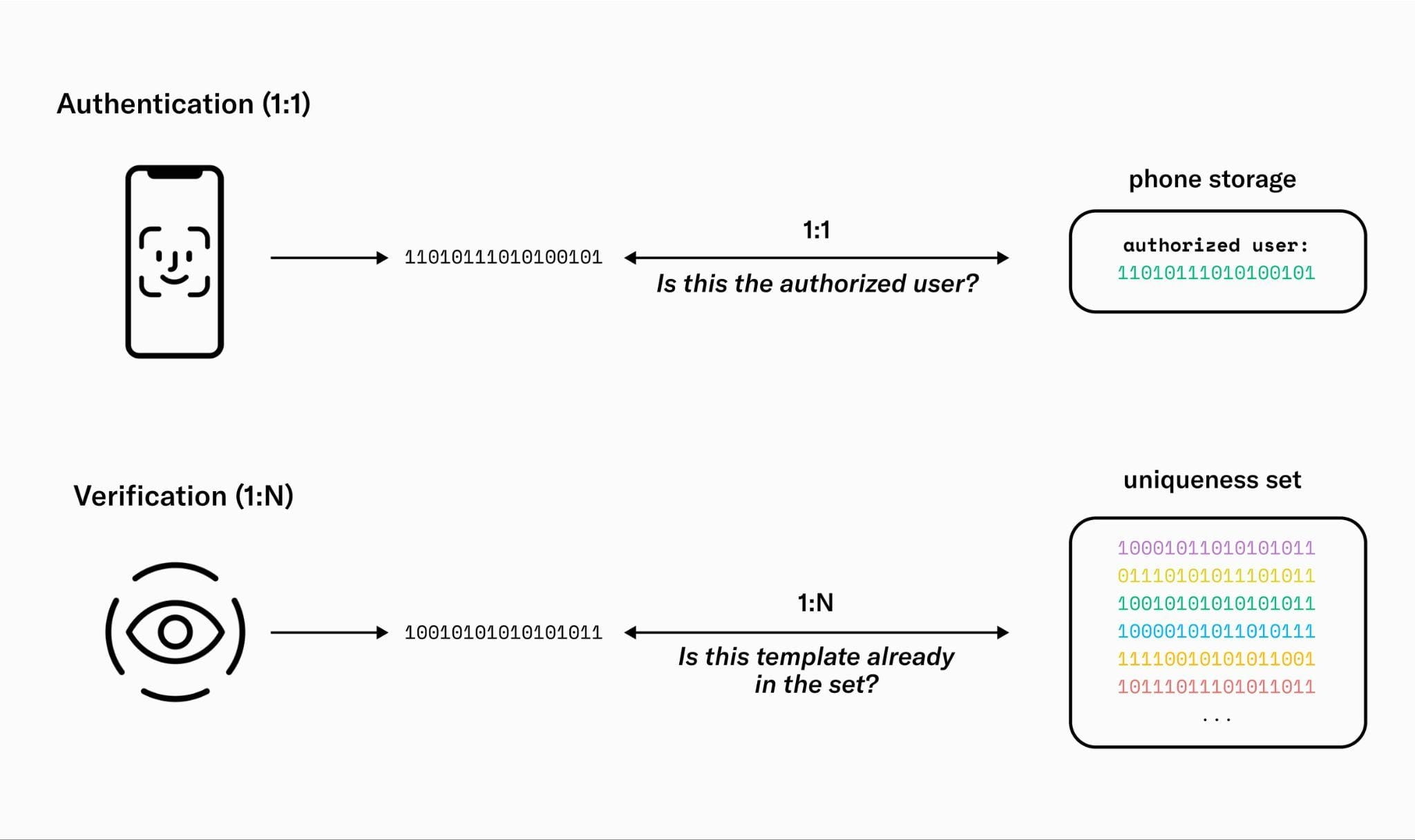
The World Network promises to be a layer of trust and digital verification for platforms and services. With the World App as the entry point, recent ads included:
Integration with Tinder
Virtual accounts
New stablecoins and assets
Earn functionality
Mini Apps exceeding 2 billion uses
Return of the World Chat
But behind these numbers, there is a fragile and disorganized community structure.
And If Everything Goes Wrong?
Taking a more realistic (and less idealistic) look, the truth is that the World faces serious structural problems, and community engagement is weak, centralized, or nonexistent. Unfortunately, this is common in the Web3 universe, where many projects face significant regulatory barriers and are still seeking strategic maturity.
Disruptive projects attract attention — both good and bad. The World, which I have been following since day 1 (when it was just a newsletter field that was never used), has been taking important steps but is getting lost among people.
There were presales of the Orbs without effective communication. There were those who minted commemorative NFTs, actively participated in the World Chain — and still, their actions were ignored. There is a lack of recognition. There is a lack of connection.
A Poorly Planned Funnel
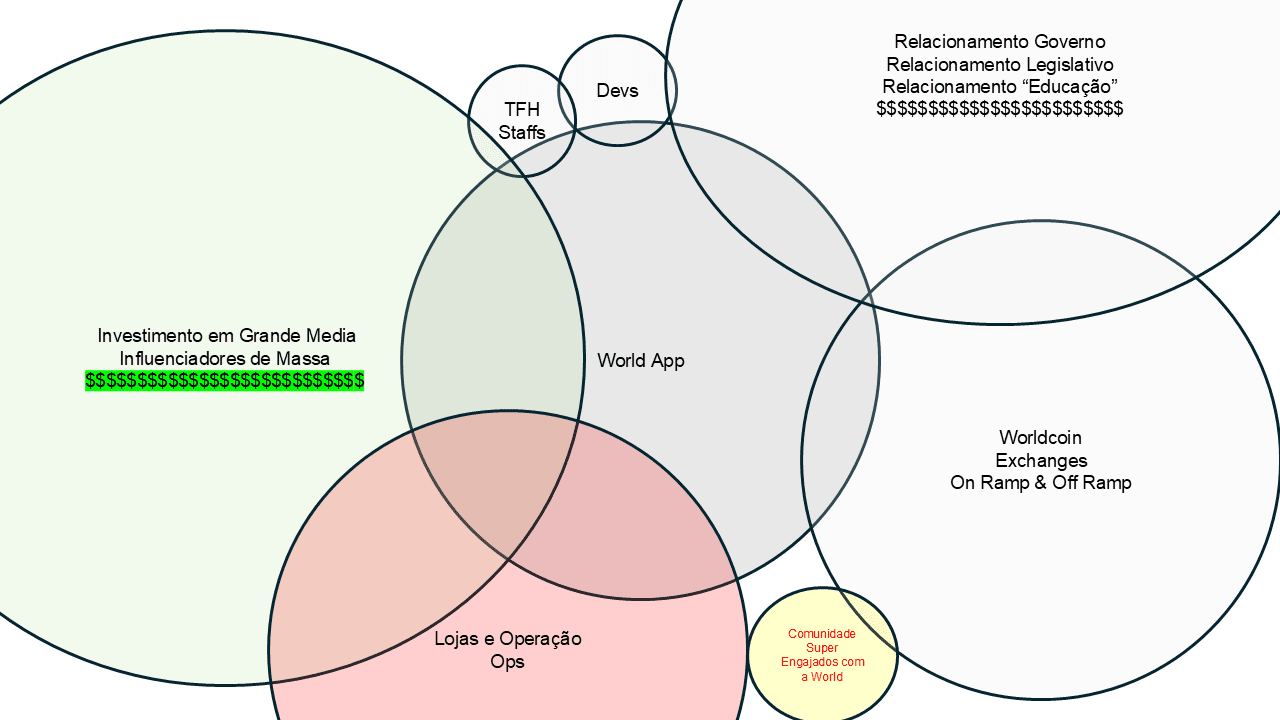
The World works intensively to open the top of the funnel, but completely ignores the middle and bottom. We all know how difficult it is to capture attention — but those who work with technology and communication know that maintaining engagement is even harder.
Millions are spent to attract, but there is minimal effort to keep the most engaged — those who truly drive the community.
It is possible that Tools for Humanity is doing a good technical and expansion job. However, upon analyzing the white paper and other materials, my suspicion is that the structural failure lies with the World Foundation — especially in the absence of education, culture, and fostering.
This work should have the same priority as technical development. And until this is balanced, there will be few who wear the shirt. And fewer and fewer.
Unaligned Communication, Disconnected Community
The World is aiming at the wrong target. Spending is on influencers who are not users, do not understand the importance of the project — and will forget everything as soon as the money stops.
Meanwhile, the true enthusiasts and participants of the ecosystem are left aside.
Conclusion

The moment is excellent for entry
The World has real potential to change how trust is built on the internet.
But for this, it urgently needs to balance technology with culture, infrastructure with community, and vision with human execution.
What we are building goes far beyond protocols. We are trying to create a new digital social fabric. And that will only be possible if the values are as solid as the code.
The question that remains is:
Are we really prepared for an internet where being human is something that needs to be verified?