Introduction
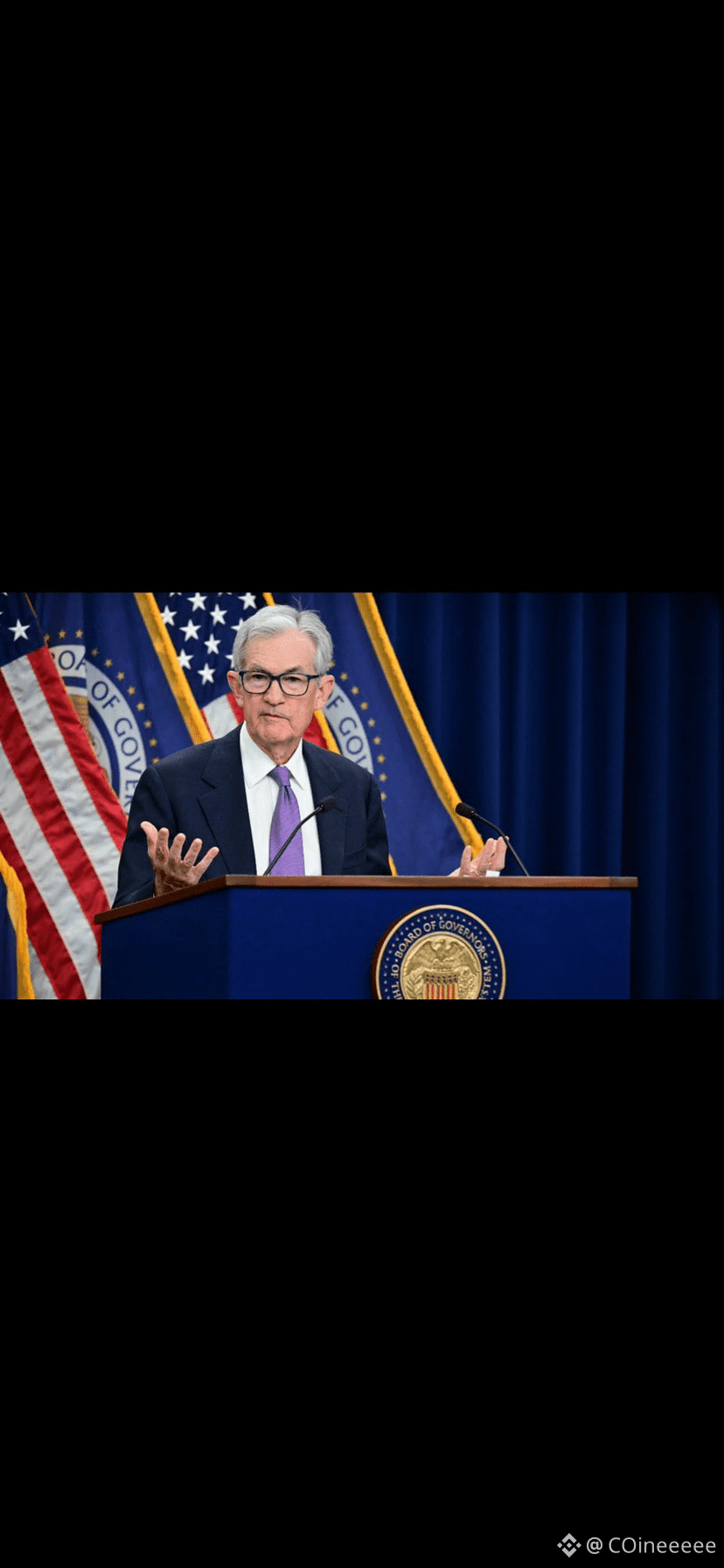
Jerome H. “Jay” Powell is the current Chair of the U.S. Federal Reserve — the central bank of the United States and one of the most powerful financial institutions in the world. Wikipedia
He helps decide interest rates, shape U.S. monetary policy, and has a big influence on global financial markets. What he says and does can affect things like inflation, loans, banks, jobs, and even stock and crypto markets
Full Name and Early Life
Full Name: Jerome Hayden Powell
Date of Birth: February 4, 1953
Place of Birth: Washington, D.C., USA
Family: Comes from a politically and financially connected family; his father was a lawyer and former Under Secretary of the Treasury.
Education
Undergraduate: Bachelor’s degree in Politics from Princeton University (1975).
Graduate: Juris Doctor (law degree) from Georgetown University Law Center (1979).
Early Career
Lawyer: Started his career in law, focusing on finance and corporate matters.
Investment Banker: Worked in private investment banking at Dillon, Read & Co., gaining experience in markets and financial management.
Government Service: Served as an official in the U.S. Treasury Department under President George H.W. Bush, dealing with debt management and financial policy.
Federal Reserve Career
Board Member: Joined the Federal Reserve Board of Governors in 2012, appointed by President Barack Obama.
Chair of the Federal Reserve: Appointed Chair in February 2018 by President Donald Trump; later re-nominated by President Joe Biden for a second term.
Term: Currently serving as Fed Chair, with his term ending in 2026.
Role and Responsibilities
As Chair of the Federal Reserve, Powell’s main responsibilities include:
Setting Monetary Policy: Leads the Federal Open Market Committee (FOMC) in deciding interest rates to control inflation and encourage growth.
Economic Oversight: Monitors the U.S. economy, including employment, inflation, and financial stability.
Crisis Management: Guides responses to economic crises, such as recessions or financial shocks.
Public Communication: Explains Fed decisions to the public and markets to maintain transparency and credibility.
Major Policies and Actions
Interest Rate Management: Oversaw both rate hikes and cuts in response to inflation trends and economic slowdowns.
COVID-19 Response: Supported emergency measures to stabilize markets during the pandemic.
Inflation Control: Emphasized the need to balance economic growth with controlling price increases.
Productivity Focus: Advocated for productivity improvements as a way to grow the economy without stoking inflation.
Challenges and Criticism
Political Pressure: Has faced criticism from former President Trump and other political figures for the pace of rate cuts or hikes.
Economic Complexity: Balances competing pressures: stimulating growth vs. keeping inflation in check.
Global Impact: Decisions impact global markets, not just the U.S., making his role highly scrutinized internationally.
Personal Traits
Leadership Style: Pragmatic, cautious, and data-driven.
Communication: Known for clear, calm communication during economic uncertainty.
Public Perception: Seen as a stabilizing force in U.S. monetary policy; respected for maintaining Fed independence.
Significance
Jerome Powell shapes U.S. monetary policy, which directly affects borrowing costs, job markets, inflation, and global financial stability.
His decisions influence everyday life — from mortgage rates to stock markets — making him one of the most important economic leaders in the world.$BTC $ETH $BNB #Jerome #DonaldTrump #CZ #btc