
I am Azu. I increasingly view enzoBTC as a 'routing ticket': it is not responsible for blowing up profits, but for bringing your BTC liquidity to the chain that 'most needs BTC and can best accommodate BTC'. Lorenzo defines enzoBTC as a wrapped BTC standard in external narratives, and combines it with stBTC and yield tokens to form an asset system of 'BTC liquidity financial layer'—you can understand that enzoBTC's task is to make BTC easy to transfer, useful, and well-connected, and then opportunities for profits, lending, and derivatives can naturally emerge in different ecosystems.
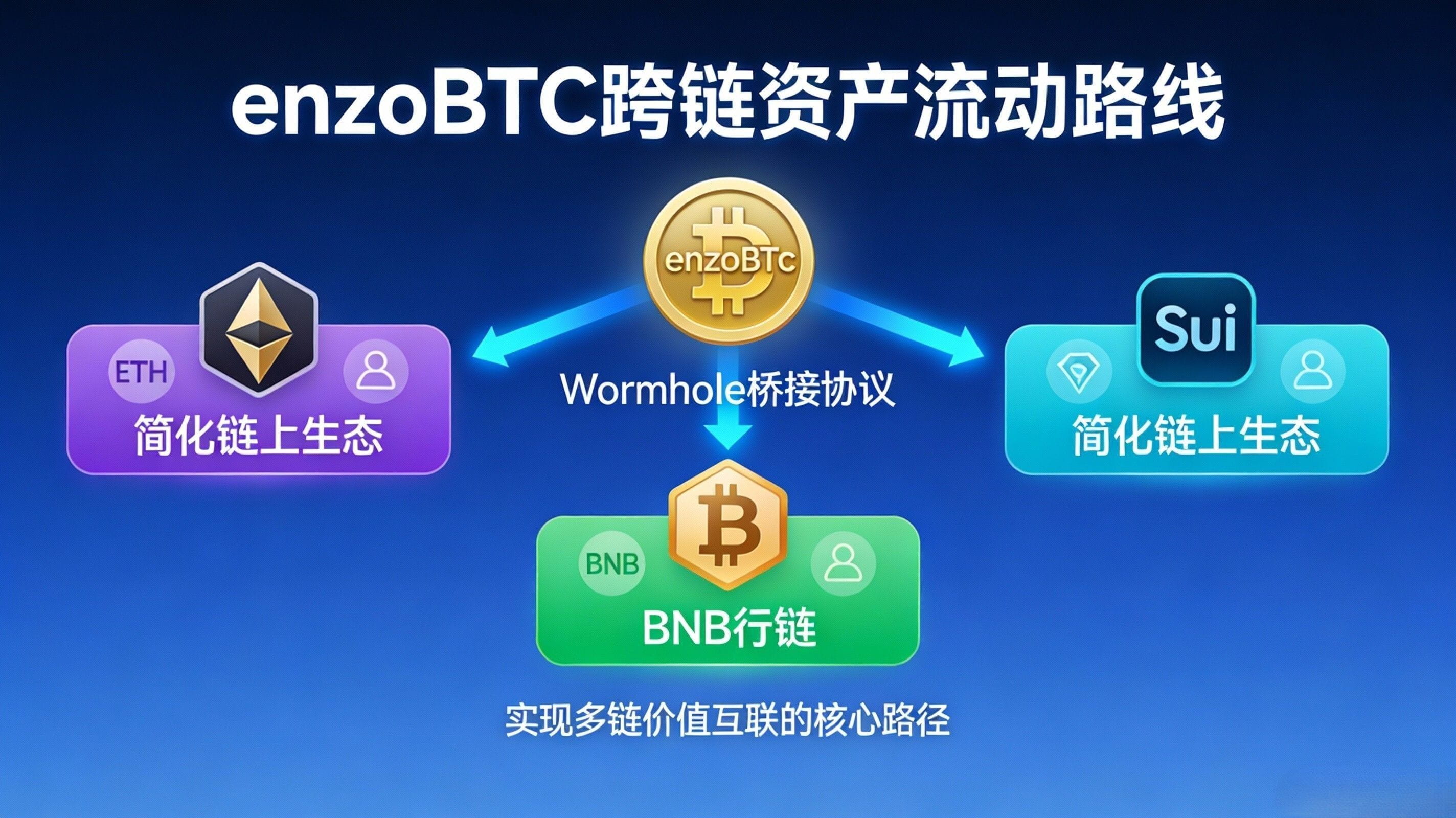
The most crucial underlying action of this 'routing ticket' is cross-chain standardization. Lorenzo announced in November 2024 that it completed integration with Wormhole, and enzoBTC and stBTC were fully whitelisted and supported by Wormhole, with Ethereum designated as the canonical chain for Lorenzo assets. Users can bridge enzoBTC from Ethereum to Sui and BNB Chain through Wormhole's Portal Token Bridge; they also disclosed a solid metric: enzoBTC + stBTC together account for 50% of the cross-chain BTC assets available through Wormhole, and early liquidity and on-chain scale have been achieved on Sui.

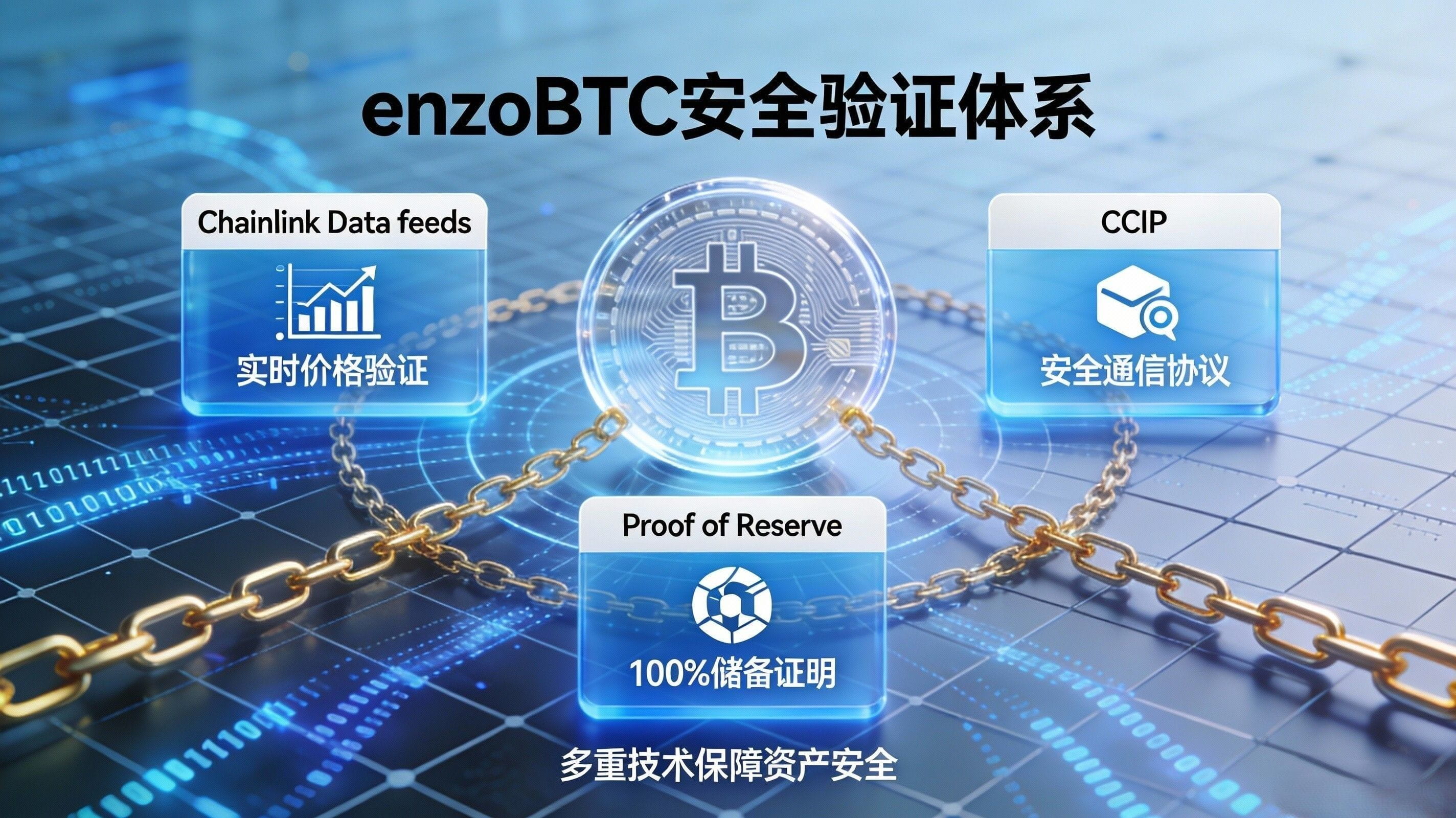
When you accept the premise that 'enzoBTC is a routing ticket', the strategic thinking becomes clearer: low-risk play is not about stacking yields, but treating it as a cash equivalent of BTC in the cross-chain era, prioritizing exit options, hedging, and reconfigurability. For example, if you find a more mature lending market, deeper trading pairs, or a better market-making environment on a certain chain, you would use enzoBTC as your entry asset, preferring conservative lending, keeping the collateralization ratio thick, rather than immediately thinking about cycling leverage, because the value of the routing ticket lies in 'you can switch at any time', rather than 'you must play this stop to the extreme'. Meanwhile, the 'verifiability' on the on-chain security level is not just decoration: the Chainlink ecosystem page labels Lorenzo as a project type integrating Data Feeds, CCIP, and Proof of Reserve. This type of infrastructure thinking essentially provides a clearer verifiable signal for wrapped/cross-chain assets - but you still have to account for cross-chain as a risk item, not as a free gateway.
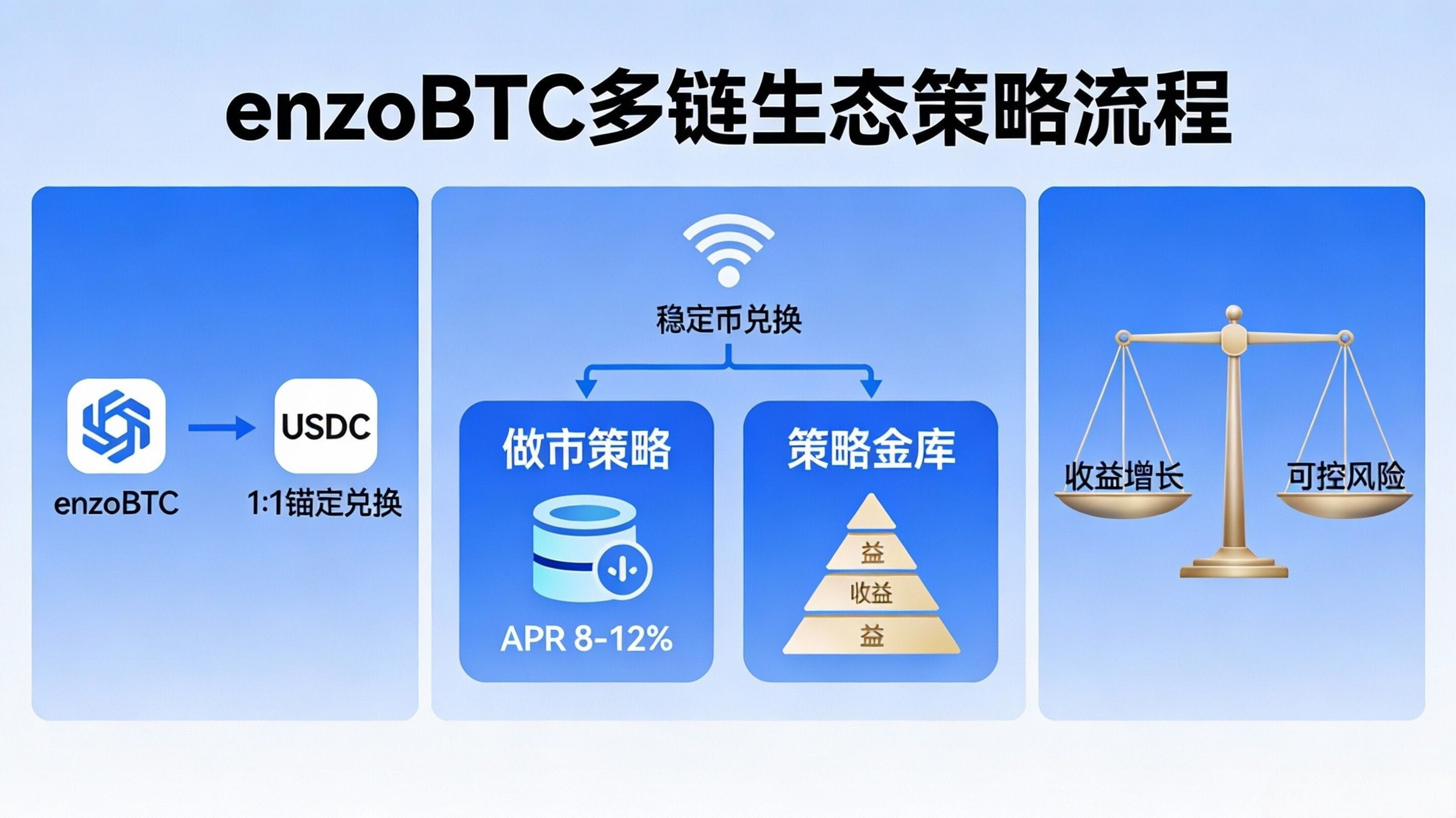
Medium-risk play is the type that will appeal to most people, 'letting the routing ticket start to work'. The most common approach is to bridge enzoBTC to a more active chain in a certain ecosystem, first exchanging it for BTC-related assets or stablecoin positions that you are more familiar with, and then pursuing a layer of 'transaction fees/incentives/interest rate' yield, such as market making, participating in strategy vaults, or using collateral to lend stablecoins for cash flow management. Here Azu reminds you not to just focus on APR: once you put enzoBTC into LP or lending, the risk upgrades from 'cross-chain channel' to a compound issue of 'cross-chain + liquidity depth + liquidation line + exit slippage'. When the market fluctuates, the first problem often is not the yield, but whether you can withdraw gracefully. Conversely, as long as you lighten your position, make the collateralization ratio thick, and plan your exit path in advance, this routing ticket enzoBTC will allow you to choose more efficient capital utilization across different chains, rather than being shackled by the hot and cold of a single chain's ecosystem.
The real purpose of writing this is to take the statement 'staking is not the end, but the beginning' a step further: when BTC turns into enzoBTC, what you have in hand is not just a token, but a capability - the ability to switch asset usage scenarios across multiple chains. You can use it steadily as the underlying asset for cross-chain configuration; or you can use it more aggressively to achieve higher capital efficiency, but regardless of which, the action guide from Azu is simply one coherent message: every cross-chain transfer, first do a small test run to confirm receipt and availability; every time you leverage, first write down the liquidation line and exit conditions; whenever you see 'high returns', first ask yourself where this return actually comes from and how you could lose in the worst-case scenario - if you can make these three things a habit, then enzoBTC is truly a 'routing ticket', otherwise it is just a ticket that makes you walk into risk faster.


