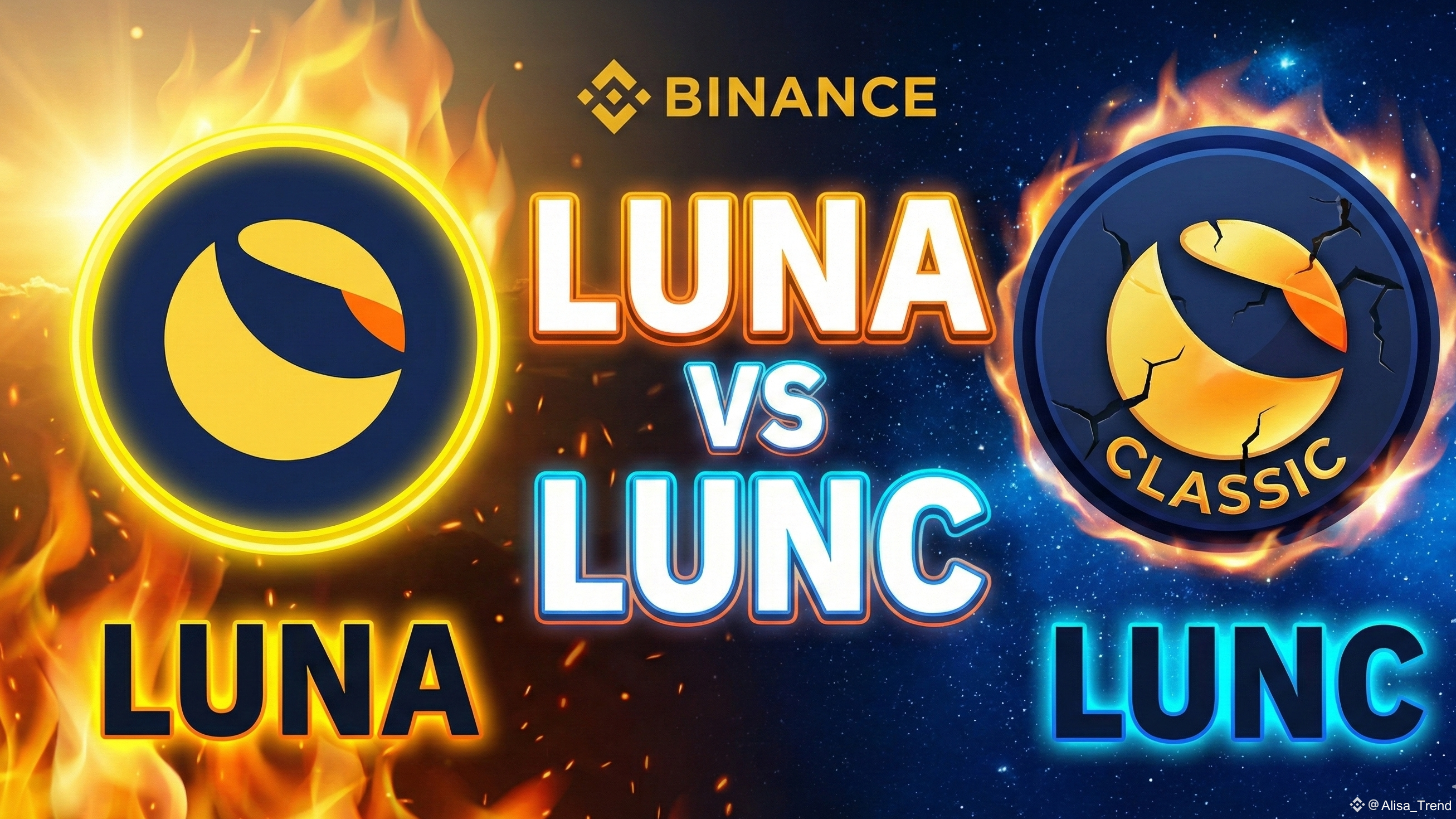
Here is the essential information for you to understand the current state of this asset:
1. What is LUNC (Terra Classic)?
Originally called LUNA, the currency changed its name to LUNC after the collapse of its algorithmic stablecoin (UST). When the system crumbled, the community created a "new" network called Terra 2.0 (which retained the name LUNA), while the old network continued to exist under the name Terra Classic (LUNC).
2. What caused the historic fall?
The parity with the dollar: The ecosystem depended on an algorithm that linked LUNA to the stablecoin UST.
The "Death Spiral": In May 2022, UST lost the value of $1.00. To try to recover this value, the system automatically issued trillions of new LUNA coins, which inflated the asset and caused its price to drop from approximately $119.00 to nearly zero in a few days.
3. Current Situation (December 2025)
Currently, the project is managed in a decentralized manner by the community and independent developer groups.
Price: The value is extremely low (fractions of cents), reflecting the gigantic supply of trillions of coins in circulation.
Burn Mechanism: To try to recover the value, there is a burn tax on each transaction. The Binance exchange is one of the largest contributors, destroying billions of tokens periodically to reduce the supply.
Network Update: Recently (December 2025), major exchanges like Binance announced temporary suspensions for software updates on the network, aiming to improve stability and security.
4. Is the risk worth it?
LUNC is currently considered a highly risky and purely speculative asset.
Pros: Very active and engaged community; support from major exchanges; potential for explosive appreciation in case of massive "burns."
Cons: Immense circulating supply (difficult to burn everything); history of catastrophic failure; regulatory uncertainty regarding the original founders (Do Kwon).
Market Summary (Estimate Dec/2025):
| Indicator | Status |
| :--- | :--- |
| Volatility | High |
| Supply | ~5.4 to 6.5 Trillions of LUNC |
| Trend | Lateralization / Consolidation |