

Regulatory shifts and SEC support reduced perceived risk, encouraging major firms to explore blockchain-based securities.
BlackRock’s 2024 tokenization move with Securitize accelerated institutional adoption across Wall Street.
On-chain ledgers enable atomic settlement, cutting intermediaries, speeding settlement and freeing trapped capital.
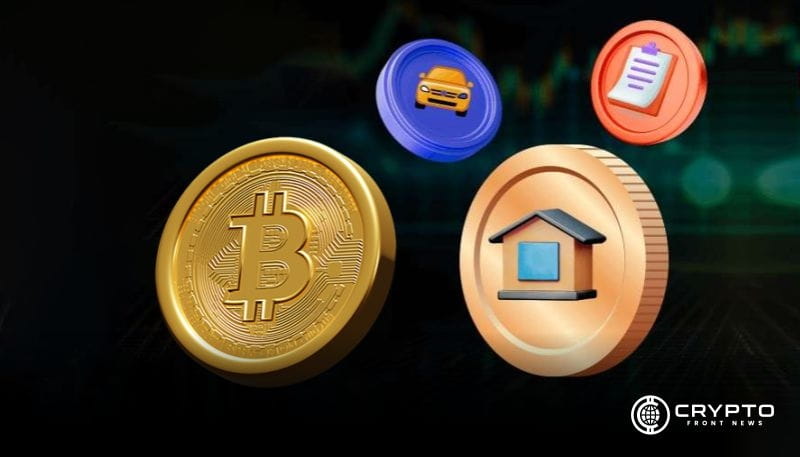
Wall Street’s core recordkeeping is changing as major firms move securities onto blockchains, according to Securitize CEO Carlos Domingo. Domingo said regulatory shifts, BlackRock’s 2024 entry and outdated settlement systems pushed tokenization into the mainstream. Firms now target faster settlement, fewer intermediaries and lower transaction costs through on-chain ledgers.
Regulation and Institutional Attention Align
Tokenization discussions accelerated after changes at the U.S. Securities and Exchange Commission, according to Domingo. He said SEC Chair Paul Atkins has supported responsible adoption of blockchain-based securities.
As a result, traditional firms became more willing to explore on-chain issuance without increased regulatory risk. However, regulatory clarity alone did not drive adoption. Domingo pointed to BlackRock’s decision in 2024 to tokenize assets with Securitize.
That move, notably from the world’s largest asset manager, drew attention across Wall Street. Soon after, firms including Apollo Group and JPMorgan increased activity around tokenized products.
Replacing Siloed Ledgers With On-Chain Records
Domingo explained that stocks, bonds and funds rely on fragmented ledgers that require constant reconciliation. Each trade, dividend, or redemption updates several disconnected systems. However, tokenization places ownership records on a single distributed ledger secured by cryptography.
This structure allows atomic settlement, where cash and securities exchange simultaneously. According to Domingo, that feature reduces intermediaries and releases capital faster. Settlement can occur instantly using stablecoins against tokenized securities. However, he noted that instant settlement remains optional, depending on market needs.
Market Size and Asset Focus
Securitize estimates the current tokenized asset market at $25 billion to $30 billion. Domingo said forecasts project growth toward $2 trillion over time. Even a reduced market share would represent substantial scale, based on those figures.
Early interest centered on illiquid assets, such as art and real estate. However, Domingo said focus shifted to highly liquid assets. Stablecoins represent tokenized dollars, while tokenized Treasuries rank second by size.
Recently, Securitize and BNY launched a tokenized AAA-rated CLO product. The company also plans to tokenize its own shares after a future public listing, according to Domingo.
The post Why Tokenization Is Becoming Wall Street’s Next Upgrade appears on Crypto Front News. Visit our website to read more interesting articles about cryptocurrency, blockchain technology, and digital assets.