


Bitcoin (BTC) has long moved in a four-year cycle linked to halving events, during which the price often peaks 12 to 18 months after each supply reduction, before entering a prolonged bear market.
The current cycle is no exception. Bitcoin peaked at nearly 126,200 USD in October, exactly 18 months after the halving in April 2024, before falling more than 30%.
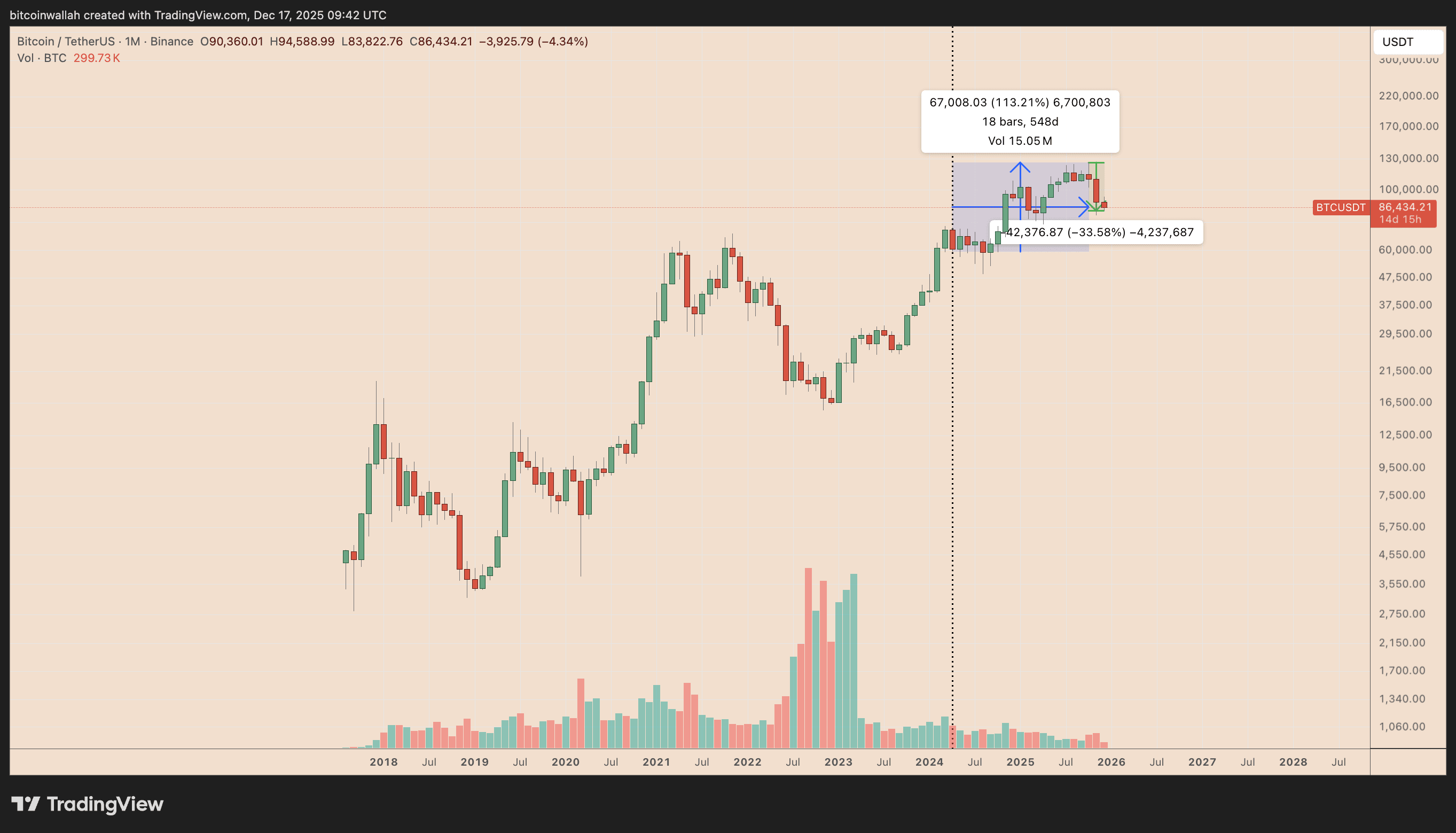
This trend reflects the early stages of previous bear markets, leading veteran experts like Peter Brandt to predict that Bitcoin could drop to around 25,000 USD in the near future.
Increased selling pressure.
João Wedson, founder of the on-chain analysis company Alphractal, pointed out signals from the SOPR (Spent Output Profit Ratio) index, a tool that helps identify the end point of the Bitcoin bull market. According to historical data, SOPR often marks market turning points by tracking the shift between profit-taking and loss sales.

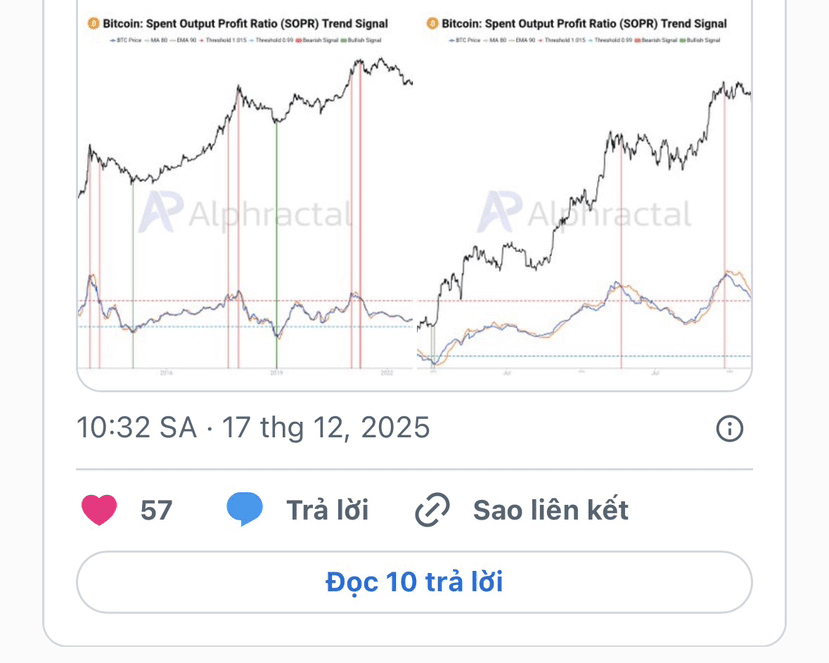
In bull markets, SOPR maintains above 1, reflecting profit-taking sales and often signaling local peaks. Conversely, when SOPR drops to or below 1, this indicates increasing selling pressure. A stable recovery above 1 typically signals that selling pressure has eased and the market is preparing to recover.
As of December, SOPR continues its downward trend, indicating that BTC is being traded with low profits or even losses, reinforcing the negative view based on the four-year cycle. Wedson commented:
'Many may believe that the cycle of Bitcoin has changed, but on-chain analysis shows that BTC still follows the same fractal pattern as before, nothing really different.'
Grayscale predicts a new record in June 2026.
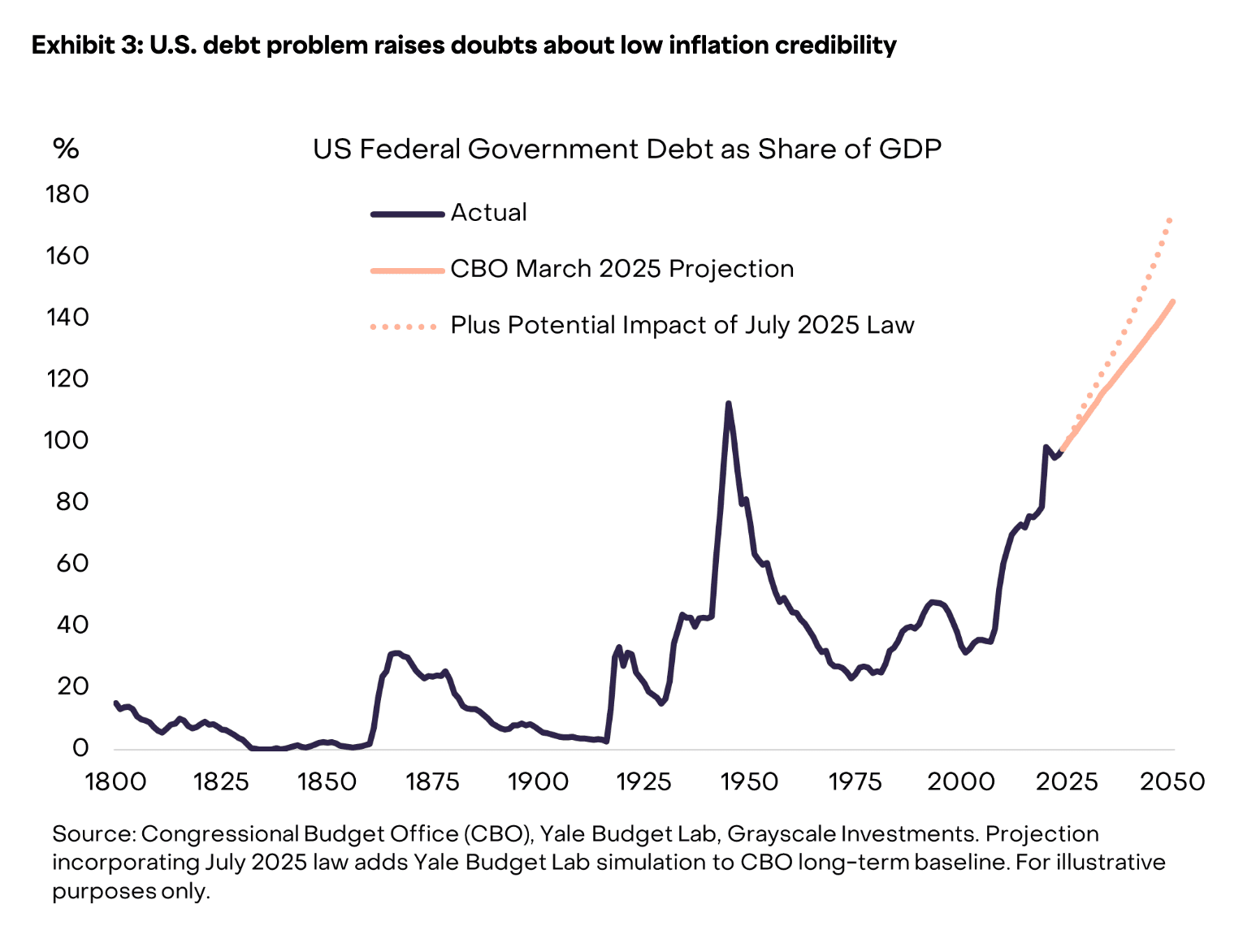
However, some experts believe that Bitcoin's four-year cycle may be losing its effectiveness. Recently, Grayscale Investments (USA) predicted that BTC's price will set a new record in the first half of 2026, thanks to strong macro demand due to the depreciation of fiat currency and a favorable regulatory environment in the U.S.
In the latest report, Grayscale commented:
'Fiat currencies and assets priced in fiat currencies face significant risks due to rising public debt, leading to long-term inflation risks. Scarce assets like gold, physical silver, or digital Bitcoin and Ether could play a counterbalancing role in investment portfolios against fiat currency risks.'
Bitcoin enters a super cycle like commodities: Fidelity.
Fidelity also presents an optimistic view in its cryptocurrency outlook report for 2026, discussing the possibility that Bitcoin will enter a 'super cycle' similar to the commodity super cycles that lasted nearly a decade in the 2000s.
According to Mr. Chris Kuiper, Vice President of Research at Fidelity Digital Assets, the key factor lies in the emergence of a completely new group of investors that could drive the market to grow stronger than in previous cycles.
'We have noted that traditional money managers and investors have begun to participate in the Bitcoin market and other digital assets,' Mr. Kuiper shared. 'I believe the potential for capital flow into this sector is still very large, and we have only seen the tip of the iceberg.'
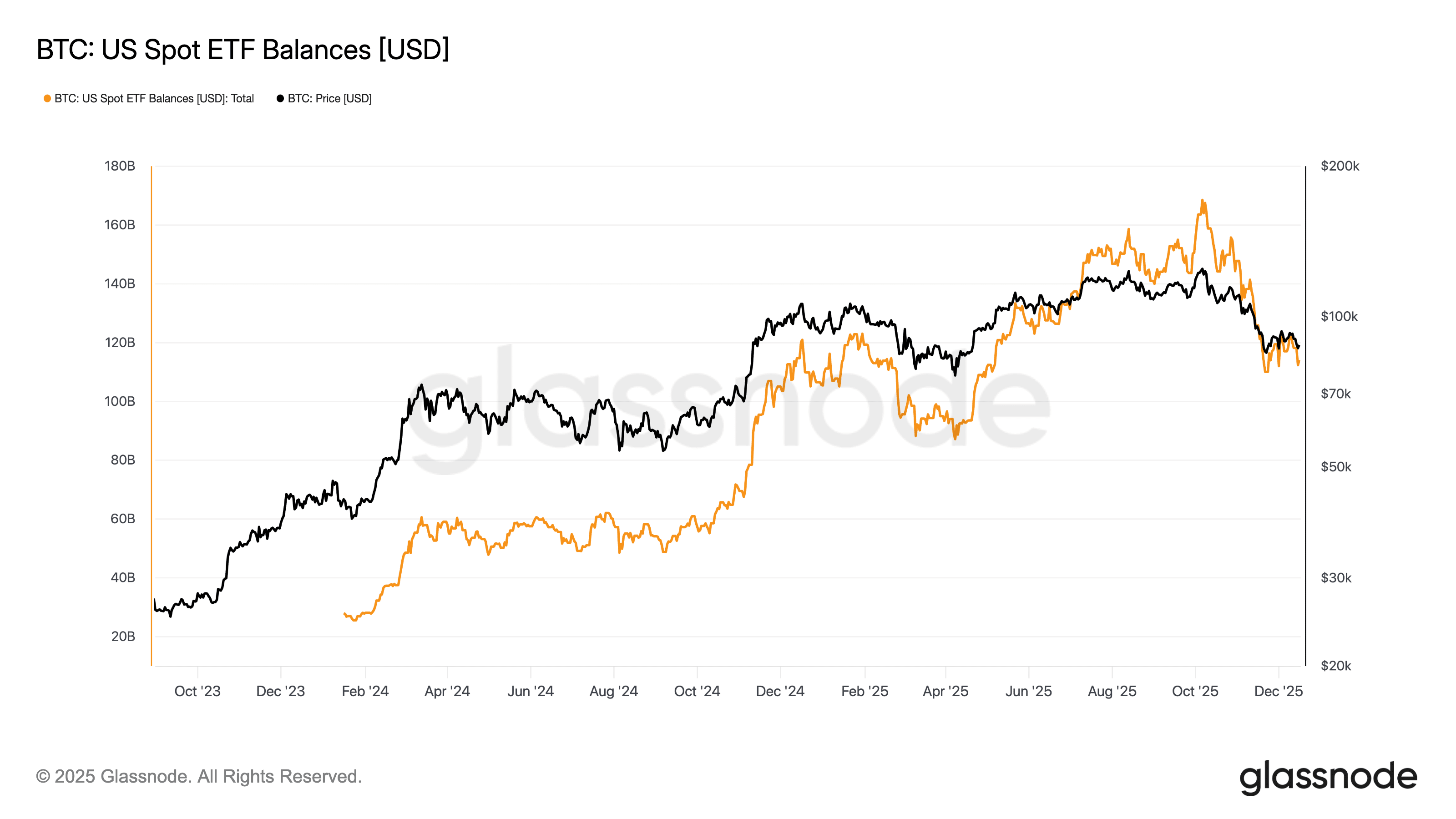
As of December, Bitcoin ETFs in the U.S. backed by BlackRock, Fidelity, and other organizations have held a total of over 1,30 million BTC (equivalent to approximately 114,13 billion USD), an increase of 309% compared to the launch in January 2024. Concurrently, public companies are also holding over 1,08 million BTC (nearly 100,42 billion USD) in treasury, a group of investors that barely existed before 2020.
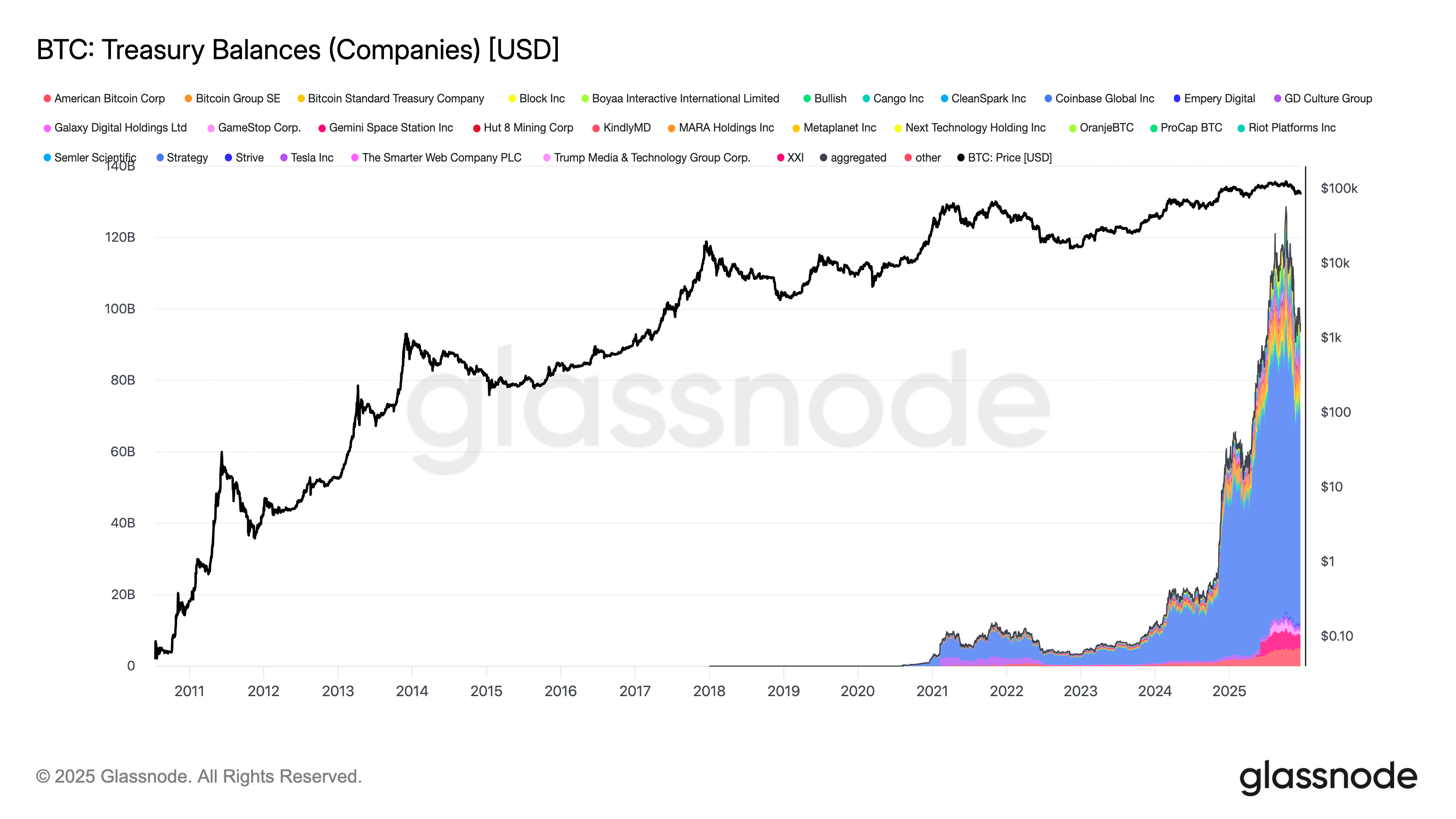
Over time, the role of Bitcoin miners has diminished after each halving, while new demand from ETFs and corporate treasuries is shifting growth and adjustment dynamics, which have shaped Bitcoin's four-year cycle in the past.