
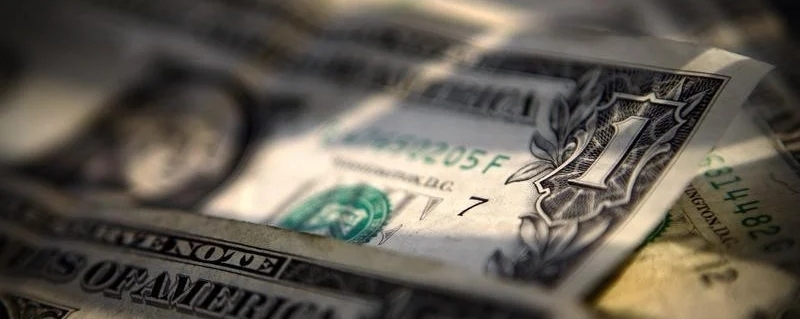
The U.S. dollar still holds the top position in global trade and finance, despite recent shifts in trade relationships caused by tariffs, according to the IMF’s chief economist.
#USStrikes10IranianMilitaryTargets $SPCXB
Pierre-Olivier Gourinchas said on Friday that the dollar remains the primary anchor of international trade, banks, and central bank reserves. His remarks came after President Donald Trump imposed unilateral tariffs on most countries around the world.
Gourinchas told reporters: "We witness very, very slight movements indicating our departure from a world centered on the dollar. We are firmly established in a world centered on the dollar. This does not mean it cannot change at some point, but the developments we have seen during the past ten years remain very, very marginal."
Gourinchas, who will leave the IMF next week to return to teaching, said that recent sharp rises in gold prices were driven mostly by gold exchange-traded funds, which allow investors to buy gold without needing to hold the actual metal. He added that stablecoin issuers hold gold as an asset, which increased demand and prices. He further said that central banks do not actively buy gold.
Gold rose on Friday as the dollar fell and expectations for U.S. interest rate increases eased slightly following U.S. inflation data released on Thursday, which suggested that price pressures may have peaked. Spot gold rose by about 1.4% to $4,083.00 per ounce in early afternoon trading hours. Gold was still on track to record its fourth consecutive weekly decline.
The U.S. dollar fell from its recent highs after the release of the Federal Reserve’s preferred inflation gauge, which
and on Thursday.$TSLAB $BB