Beginner-friendly article on Spot and Futures Trading, written in simple language with clear headings. 📊💹
Basics of Spot and Futures Trading – A Complete Beginner’s Guide
Trading in financial markets has become very popular due to easy access through online platforms. Two of the most common types of trading are Spot Trading and Futures Trading. Understanding their basics is very important before investing your money. This article explains both in detail for beginners. 🚀
What is Trading?
Trading means buying and selling assets like cryptocurrency, stocks, commodities, or forex to earn profit from price changes. Traders try to buy at a lower price and sell at a higher price. 📈📉
What is Spot Trading?
Spot Trading is the simplest form of trading. In spot trading, you buy or sell an asset at the current market price, and the ownership is transferred immediately.
Example:
If Bitcoin’s price is $40,000 and you buy 1 BTC in spot trading, you own that Bitcoin instantly.
Key Features of Spot Trading
✔ Immediate ownership of assets
✔ No expiry date
✔ No leverage (usually)
✔ Lower risk compared to futures
✔ Suitable for beginners
How Spot Trading Works
Create an account on a trading platform
Deposit funds
Choose the asset (BTC, ETH, stock, etc.)
Buy or sell at market or limit price
Hold or sell anytime
Advantages of Spot Trading 🌟
Easy to understand
No liquidation risk
Ideal for long-term investment
Lower stress for new traders
Disadvantages of Spot Trading ⚠️
Profit only when price goes up
Capital requirement is higher
Slower profit growth
What is Futures Trading?
Futures Trading involves a contract to buy or sell an asset at a future date at a fixed price. You do not own the actual asset; instead, you trade price movements.
Key Features of Futures Trading
✔ Uses leverage
✔ Can profit from both rising and falling markets
✔ Has liquidation risk
✔ High risk, high reward
✔ Suitable for experienced traders
How Futures Trading Works
Open a futures trading account
Choose leverage (e.g., 5x, 10x, 20x)
Open a Long (buy) or Short (sell) position
Monitor margin and liquidation price
Close trade to realize profit or loss
Long and Short Positions Explained
📌 Long Position: You expect the price to go up
📌 Short Position: You expect the price to go down
Example:
If BTC is $40,000
Long → Profit if price rises
Short → Profit if price falls
Advantages of Futures Trading 🔥
Higher profit potential
Earn in both market directions
Less capital required due to leverage
Disadvantages of Futures Trading ⚠️
High risk of loss
Liquidation can wipe out funds
Emotional stress
Not beginner-friendly
Spot Trading vs Futures Trading (Comparison)
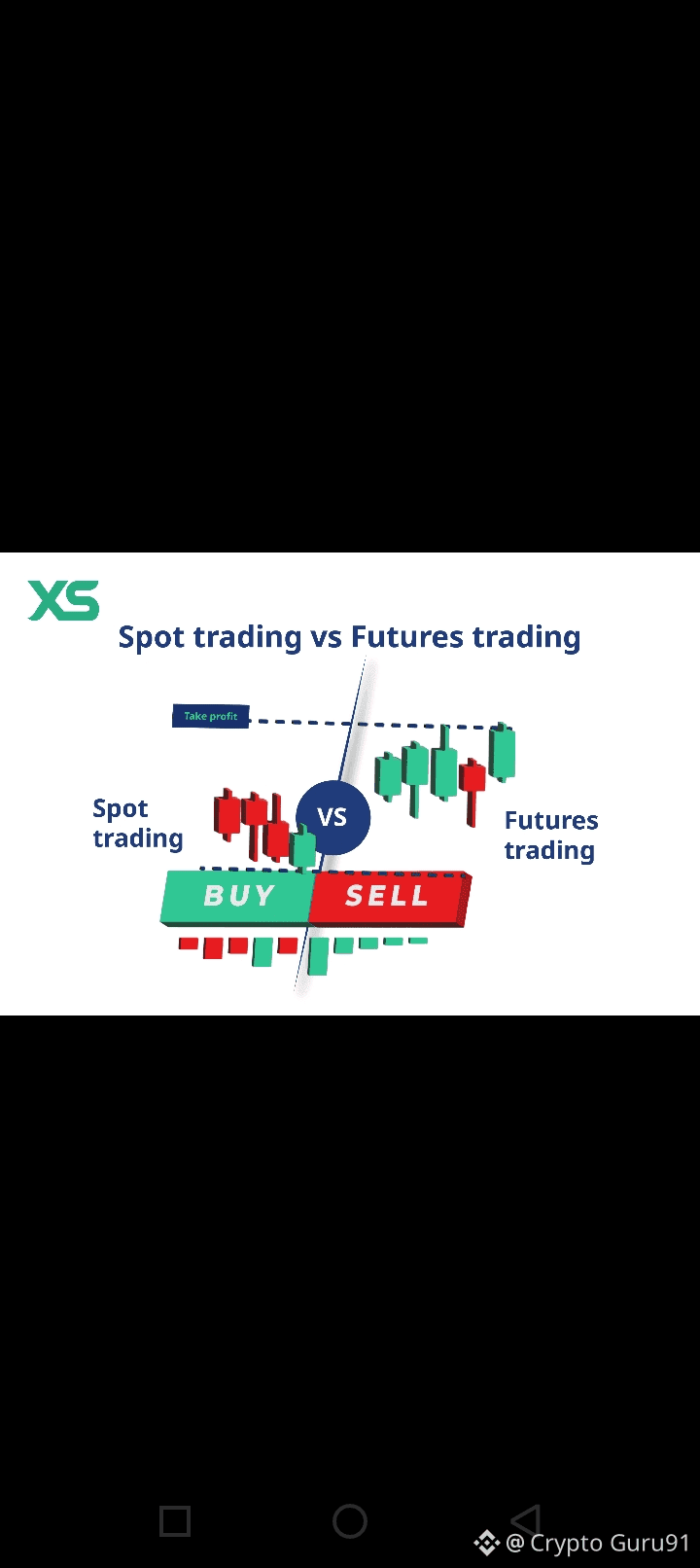
FeatureSpot TradingFutures TradingOwnershipYesNoLeverageNoYesRisk LevelLowHighProfit DirectionOnly upwardUp & DownLiquidationNoYesBest ForBeginnersAdvanced traders
Risk Management Tips 🛡️
✔ Always use stop-loss
✔ Never invest all your money
✔ Avoid high leverage
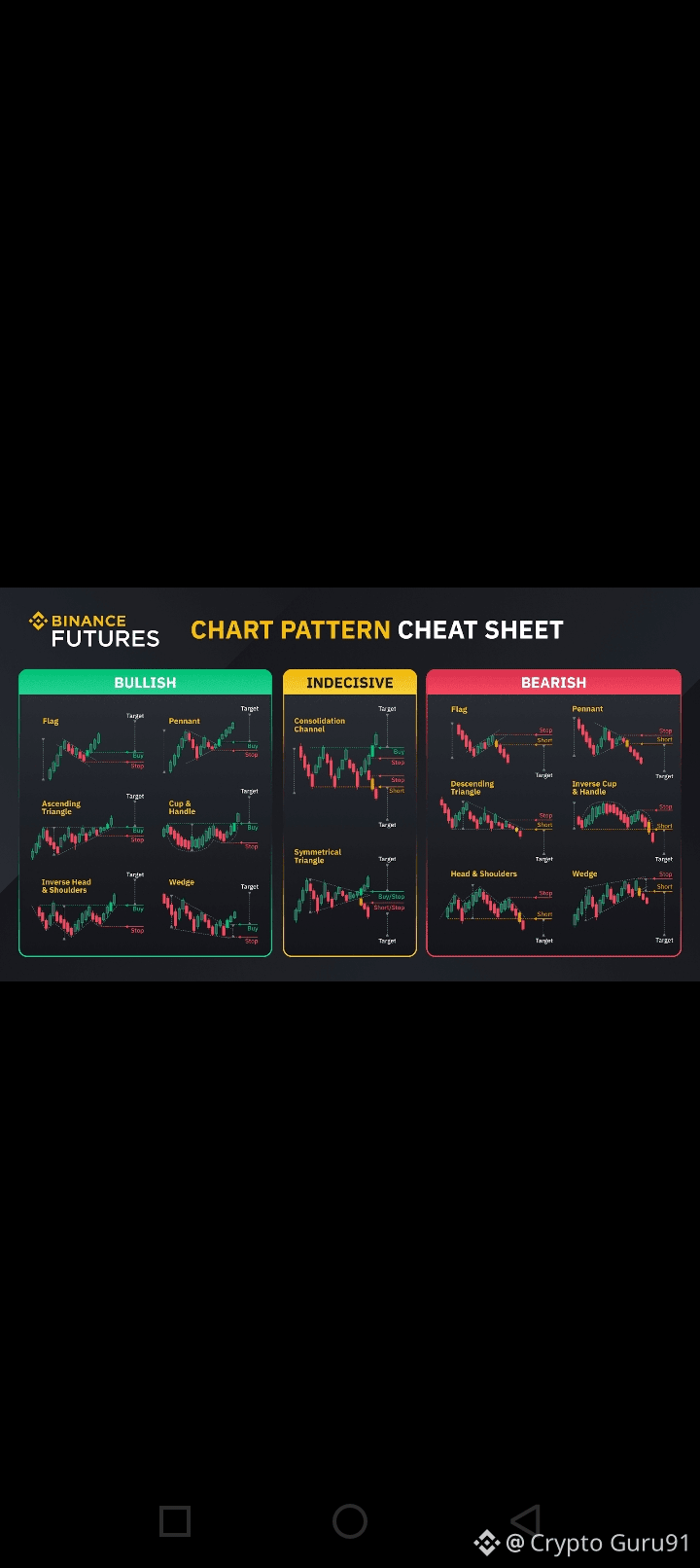
✔ Learn technical analysis
✔ Control emotions
Which One Should Beginners Choose?
👉 Spot Trading is best for beginners because it is safer and simpler.
👉 Futures Trading should only be used after gaining experience and proper knowledge.
Conclusion
Both Spot and Futures Trading have their own benefits and risks. Spot trading is ideal for long-term and low-risk investors, while futures trading is suitable for traders who understand market behavior and risk management. Always learn, practice on demo accounts, and trade responsibly. 📚💡