Tomorrow, July 1, 2026—two days from now—the deadline for the transitional period for applying MiCA regulations in Europe ends. Any crypto-asset service provider (CASP) that does not have an active license will be officially prohibited from providing services to clients in the European Union. 🛑
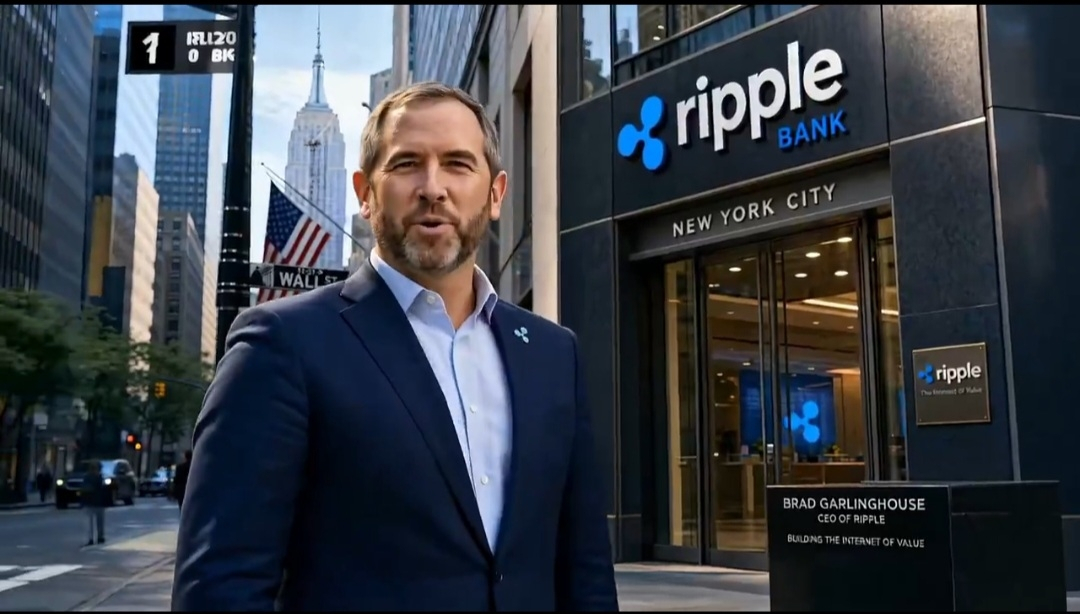
Ripple company’s timing was ideal and extremely precise! 🎯 The company has just announced a major regulatory achievement in Europe by obtaining preliminary approval for a CASP license from the Luxembourg Financial Sector Supervisory Authority (CSSF).
Here’s what this achievement means, and what it unlocks for both RLUSD** and XRP—along with the hurdles they still need to overcome:
1. The strength of “single passporting” (Passporting) 🌍
Luxembourg is a key hub for managing investment funds, institutional assets, and digital assets. And by securing this approval, Ripple isn’t targeting just one country—once this initial license is fully active, it can be “passport-ed” or extended across all 30 countries in the European Economic Area (EEA). 🇪🇺 Instead of submitting separate, cumbersome registration applications in dozens of countries, Ripple got the “master key” to the entire European bloc. 🔑
2. Multi-asset integration (EMI + CASP) 💼
Ripple already holds an Electronic Money Institution (EMI) license in Luxembourg. Combining this license with the new CASP license gives it a huge advantage in attracting major financial institutions:
Stablecoins (RLUSD) receive an excellent EMI license to issue its upcoming dollar-backed stablecoin (Ripple USD) under the strict MiCA rules for electronic money tokens. 💵
The comprehensive encryption ecosystem (XRP) gives them the official CASP green light license to handle digital custody services, cryptocurrency exchanges, and payments. ⛓️
For European banks, fintech companies, and institutions, this means they can take advantage of Ripple’s integrated payments network to settle cross-border transactions using a single connection point that is fully compliant with the law. 🏦✨
3. Let’s clarify the details: “preliminary approval” or “Bank Rebl”? 🔍
Although this is a sweeping win for Ripple’s compliance-first strategy, there are two technical distinctions that must be considered to avoid pre-empting events:
*This is a “green light” message—conditional approval. 🟢 Ripple has not yet been granted the final, active license. It must meet specific final technical and operational requirements set by the CSSF before the “single passporting” feature is officially enabled.
Ripple is still a fintech company and blockchain infrastructure provider, not a licensed commercial bank. 🏦 However, because it complies with MiCA, it can operate as a regulator-approved infrastructure layer *for the benefit of* traditional banks that want to move their asset settlement to the blockchain (On-chain). ⚙️
While some big players—like (Binance)—are retreating or limiting their services in certain EU countries due to the strict July 1 deadline, Ripple is moving directly toward full legal compliance. 📈 That puts it in an excellent, front-runner position to lead the next wave of institutional adoption of digital assets in Europe. 🚀