


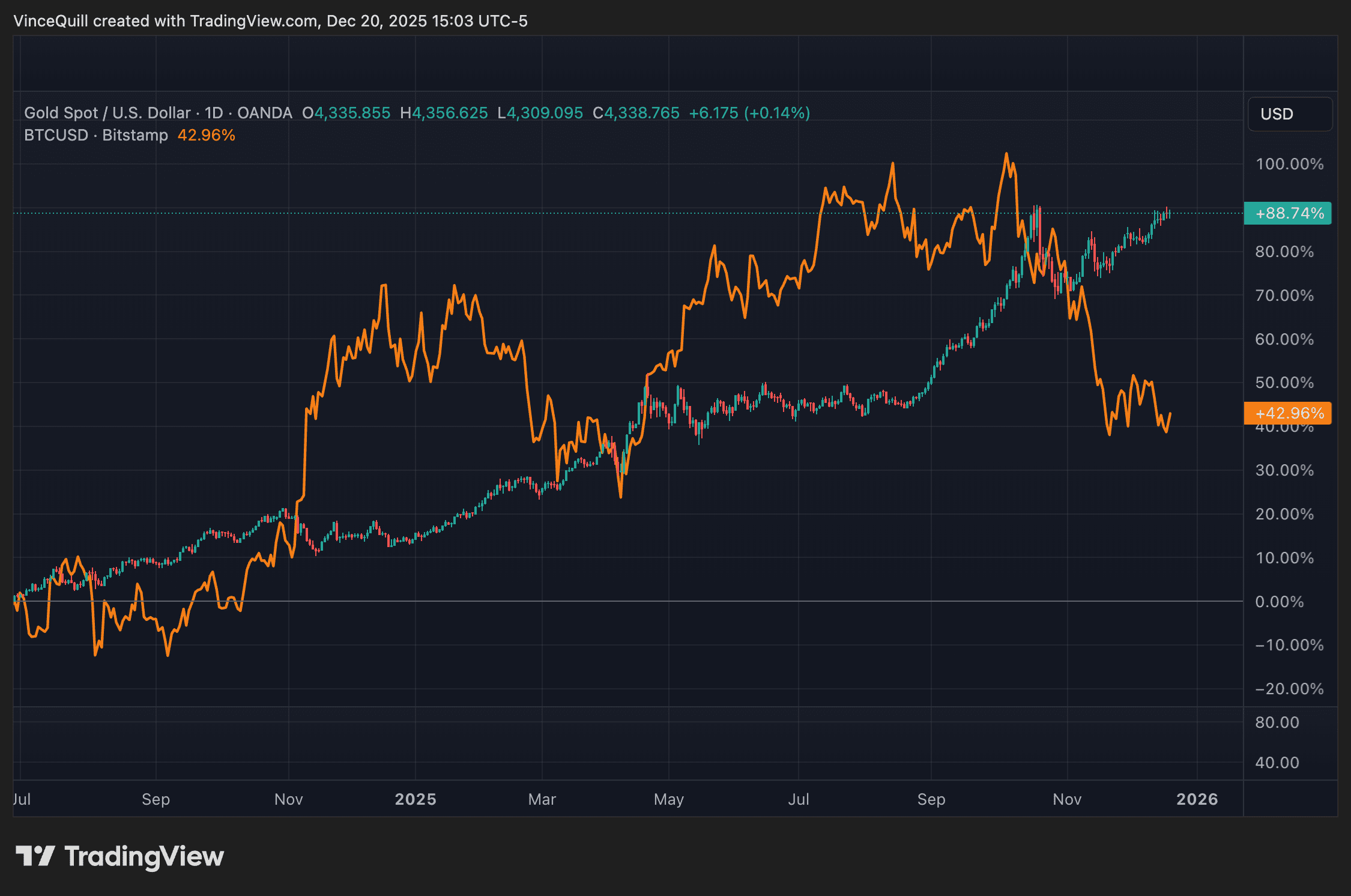
According to market analyst, educator, and Bitcoin advocate – Matthew Kratter, the value of Bitcoin (BTC) will outperform gold in the long term. He advises investors holding BTC not to sell to switch to gold, even if the price of gold surges above $4,000/ounce.
Kratter argues that Bitcoin is a superior store of value based on characteristics such as scarcity, portability, verifiability, divisibility, and many other distinct features of currency. He emphasizes:
“The supply of gold has been continuously increasing by 1-2% each year for decades, even centuries. Although this rate seems small, in the long run, it causes the total amount of gold on the market to double every 47 years.”
Kratter also warns that the supply of gold could spike if large, untapped gold mines are discovered, which still lie deep underground or even in space.
He cites historical examples: The new gold rush from the Americas to Europe in the 16th century caused severe inflation, contributing to the collapse of the Spanish and Portuguese empires due to the sudden influx of gold into the market.
Currently, experts still debate whether gold or Bitcoin is the better store of value and optimal payment medium. Bitcoin supporters argue that BTC is an inevitable advancement in the evolution of currency, while gold advocates claim that Bitcoin is still too new and volatile to be a safe store of value.
Gold has many inherent limitations and is unlikely to become a monetary foundation in the digital age.
Kratter states: “Transporting and insuring large quantities of gold is extremely costly, making gold a very inefficient tool for balancing international trade.”
He added that moving even a small amount of gold through airports or highly monitored environments is already difficult, while transporting large quantities is almost impossible.
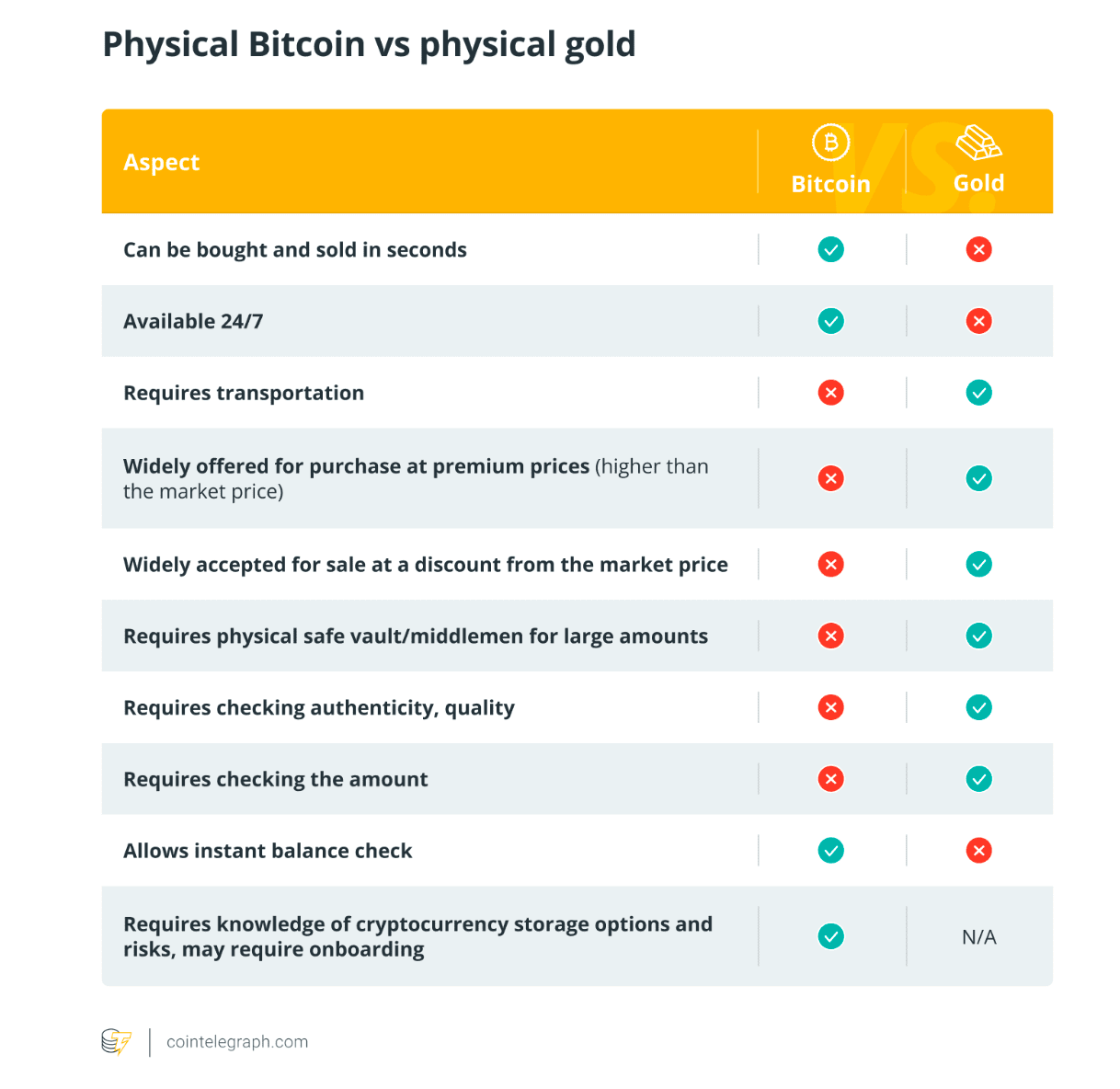
The physical nature of gold makes it unsuitable for online financial transactions or transferring value in digital space. Gold cannot be sent over the Internet, while crypto-gold products – that is, physical gold held by a third party and represented on the blockchain – carry counterparty risks.
Kratter points out risks such as the issuing organization potentially creating more gold tokens than the actual gold being stored, refusing to exchange digital tokens for physical gold, or the possibility of the government seizing the reserve gold.