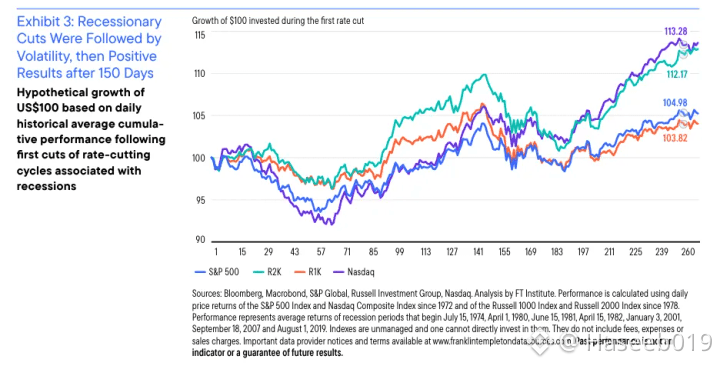
The recent market narrative “Fed Dovish Now” reflects a clear change in tone from the Federal Reserve, signaling a move away from aggressive tightening toward a more growth-supportive stance. This shift is driven by easing inflation pressures and signs of slowing economic momentum.
Under the leadership of Jerome Powell, the Fed has emphasized data dependency, suggesting that future policy decisions will prioritize economic stability over restrictive rate policies. Markets have interpreted this as confirmation that peak interest rates are likely behind us.
A dovish Fed typically results in lower yields, increased liquidity, and improved risk appetite. Equity markets respond positively as borrowing costs decline and valuations expand. At the same time, the U.S. dollar tends to soften, providing tailwinds for commodities and emerging markets.
From an asset-allocation perspective, investors are repositioning toward growth assets, including equities, technology stocks, and alternative investments. Fixed-income markets are also seeing renewed interest, particularly in longer-duration bonds as expectations of further rate cuts build.
For risk assets such as cryptocurrencies, a dovish monetary backdrop is historically supportive, as excess liquidity seeks higher returns outside traditional markets. However, volatility remains elevated, reinforcing the importance of disciplined positioning.
🔍 Market Implication
The Fed’s dovish turn marks a transition phase — not an all-clear signal. While liquidity conditions are improving, sustainability will depend on inflation trends and labor-market resilience.
Conclusion:
“Fed Dovish Now” is less about immediate rate cuts and more about policy direction. Markets that understand this shift early are better positioned to capture opportunity while managing downside risk.

#FedDovishNow #FranceBTCReserveBill #ListedCompaniesAltcoinTreasury #BinanceAlphaAlert #TrumpTariffs