

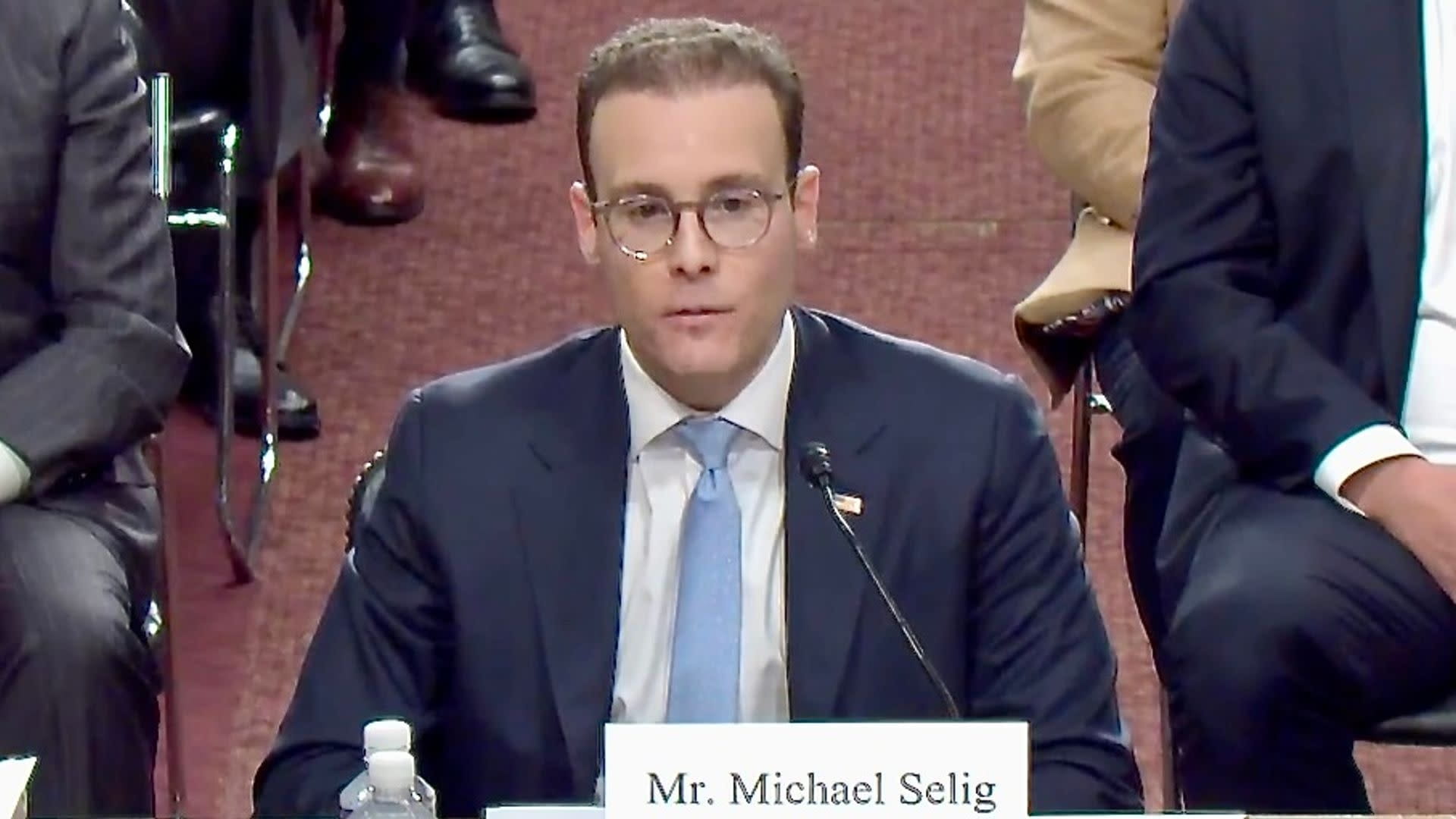
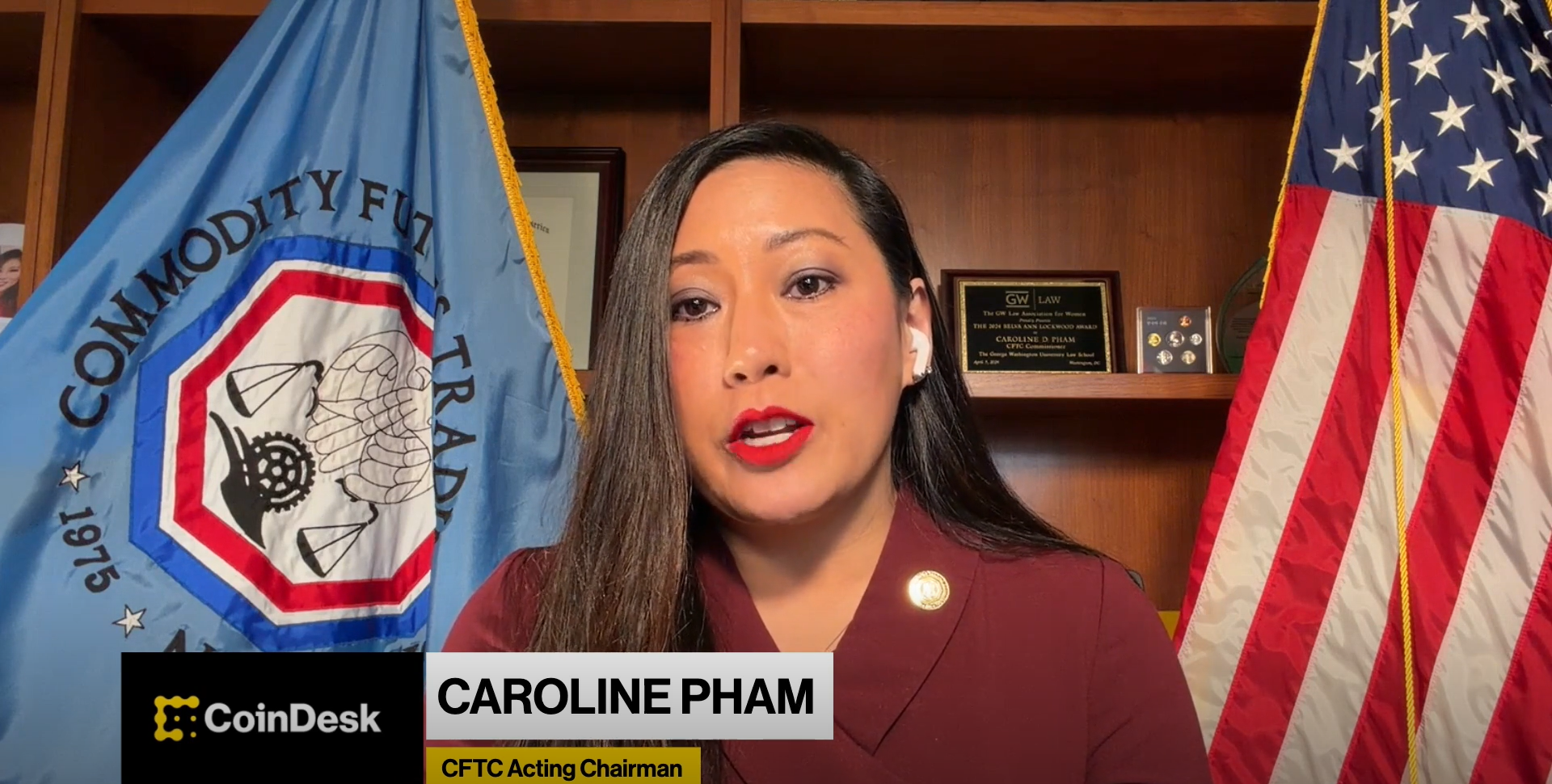
When the U.S. Senate confirmed Mike Selig and Travis Hill to lead the Commodity Futures Trading Commission (CFTC) and the Federal Deposit Insurance Corporation (FDIC), respectively, most media coverage focused on the political implications and direction of market regulation. However, for builders in the crypto space, the real transformation occurs at the technical level. How will these two new leaders, known for being 'crypto-friendly,' reshape the regulatory tech stack in the U.S.? How will the 'crypto sprint' initiative being advanced by the CFTC specifically impact the design standards for smart contracts? What new technical specifications will the FDIC's regulation of stablecoin issuers spawn? More importantly, how will the technological policy shifts of these regulatory agencies define the development paradigm, compliance architecture, and standardization process of crypto infrastructure in 2026? Let's delve into the substantive technical impacts brought about by these leadership changes in two key financial regulatory agencies.
Source: Yahoo
A fundamental shift in regulatory technology philosophy
Mike Selig leading the CFTC and Travis Hill leading the FDIC marks a silent yet profound shift in technology governance philosophy. Selig, coming from a background of former SEC officials, brings not only inter-agency transfer of regulatory experience but also a new concept of 'regulation as a service.' In his technological vision, regulation should not be a barrier to innovation but should become an integrable and predictable technical infrastructure. This concept is particularly evident in the CFTC's 'crypto sprint' initiative: the plan aims to promote the inclusion of stablecoins as tokenized collateral, formulate specific rules for integrating blockchain technology into regulatory language, and encourage regulated platforms to issue spot leverage crypto products. From a technical perspective, this means that the regulatory framework is shifting from 'post-event punishment' to 'pre-event design guidance,' requiring developers to embed compliance logic during the protocol design phase.
Travis Hill of the FDIC brings a perspective of technological modernization in banking regulation. He publicly criticized the Biden administration's 'pre-approval' policy, emphasizing that banks should manage risks autonomously rather than wait for regulatory directives. This de-bureaucratization approach to technology governance implies a more flexible technical architecture space for stablecoin issuers and crypto-friendly banks. Hill’s experience in addressing 'de-banking' issues gives him a better understanding of the technical integration challenges faced by crypto enterprises. The leadership changes in both agencies point to a clear technical direction: regulation is shifting from abstract legal texts to concrete technical interfaces and standardized requirements.
In-depth analysis of the CFTC's technology agenda
The CFTC's 'crypto sprint' initiative is essentially a technical roadmap for the crypto derivatives market. From the disclosed information, its technology agenda focuses on three levels: regulatory standardization of smart contracts, a traceability framework for cross-chain assets, and compliance interfaces for decentralized trading platforms. Among them, the most technically influential is the plan to incorporate blockchain technology into the CFTC's regulatory language. This is not just an update of terminology but signifies that regulatory rules will be articulated with more precise technical terms, reducing ambiguity. For example, the definition of 'market manipulation' may need to be specific to certain smart contract calling patterns, while the identification of 'market abuse' may require analysis of specific structures in on-chain trading patterns.
The spot leverage product launched by Bitnomial is an early testing ground for the CFTC's technology agenda. The core technical issues that need to be addressed include deep integration of real-time risk engines with smart contracts, automated clearing mechanisms across margin accounts, and trading pause functions that meet regulatory requirements. Technically, this may require the development of new oracle systems that can translate off-chain regulatory signals (such as CFTC emergency orders) into on-chain contract state changes in real time. Solutions to these technical challenges are likely to become standard architectural models for future crypto derivatives. For developers, understanding the CFTC's technical requirements is no longer optional but a foundational input for product design.
The technical framework for FDIC regulation of stablecoins
The FDIC's regulatory power over stablecoin issuers is redefining the technical architecture requirements for stablecoins. Under the leadership of Travis Hill, the FDIC is likely to push for a risk-based classification regulatory framework, where stablecoins with different reserve structures will face different technical compliance requirements. Fully reserved stablecoins may need to implement real-time reserve proof systems, while partially reserved stablecoins may require more complex risk management algorithms and stress testing frameworks. The key to technical implementation lies in how to prove compliance to regulatory agencies without disclosing trade secrets.
The experience Hill has accumulated in addressing the 'de-banking' issue is being translated into specific technical policies. The FDIC may promote standardized API agreements between banks and crypto enterprises to reduce integration technical friction. These APIs could include standardized KYC data formats, real-time transaction monitoring interfaces, and automated channels for suspicious activity reporting. For stablecoin issuers, this means the need to build more modular and auditable technical architectures that can interface with multiple banking systems simultaneously while maintaining operational transparency and security. Technical challenges include cross-agency data synchronization, compliance verification under privacy protections, and emergency switching mechanisms in case of system failures.
Technical interface design for cross-regulatory coordination
As both the CFTC and FDIC delve deeper into cryptocurrency regulation, cross-agency technical coordination has become a key challenge. The SEC has long established a regulatory framework in this area, now forming a tri-agency co-governance situation. Technically, several core issues need to be resolved: a unified event reporting standard, a shared risk data model, and coordinated enforcement action technical protocols. The CFTC focuses on derivatives trading, the FDIC emphasizes banks and stablecoins, and the SEC oversees security tokens, with overlapping yet differing data needs across the three agencies.
Technical solutions may include regulatory data lake architectures that allow different agencies to access unified data sources based on permissions; standardized event classifications ensuring that the same trading activity receives consistent tagging across different regulatory frameworks; and metadata specifications for smart contracts that enable contracts to automatically generate compliance reports that meet the requirements of multiple agencies. The open-source community may play a significant role in this area, developing reference implementations and toolkits for cross-regulatory compliance. For project parties, this means designing more flexible data extraction and report generation systems that can dynamically adjust output formats based on the requirements of different regulatory agencies.
Source: CoinDesk
The regulatory evolution of smart contract standards
The policy direction of the newly appointed regulatory leadership is pushing smart contract standards towards a 'regulatory-friendly' evolution. This is not just about adding compliance check functions, but rethinking regulatory integration from the contract architecture level. Possible technical evolutions include: configurable permission management layers that allow dynamic adjustments to access controls based on different jurisdictions; built-in regulatory reporting hooks that automatically trigger compliance logs during critical state changes; and standardized pause and upgrade mechanisms that meet the technical requirements for regulatory intervention.
ERC standards may face significant expansions. For example, new token standards may be needed to support regulatory requirements for transfer restrictions (such as identity-based holding period limits), automated dividend distribution (to meet security token requirements), and governance participation verification (to ensure compliant voting). These expansions need to add necessary regulatory functions while maintaining backward compatibility. Development tools also need corresponding upgrades, and smart contract compilers may need to integrate compliance check plugins, while development environments may require testing frameworks that simulate different regulatory scenarios. This evolution process will create new opportunities for developers focused on regulatory technology.
The need for upgrading developer toolchains
The new regulatory environment requires an upgrade of the entire crypto development toolchain. From smart contract development, testing deployment to monitoring and maintenance, each link needs to enhance compliance capabilities. Development frameworks like Hardhat and Foundry may need to integrate regulatory testing suites that can verify whether contracts meet specific requirements from the CFTC, FDIC, and SEC. These tests may include transaction pattern analysis, risk assessment simulations, and verification of regulatory report generation.
Monitoring and operations tools also require significant upgrades. Real-time transaction monitoring systems need to be able to detect patterns that may trigger regulatory concern, such as concentrated abnormal trading volumes, suspicious address associations, or characteristics of market manipulation behavior. Alert systems need to be configurable based on the regulatory agency's focus, providing early warnings before potential violations occur. Operations platforms must support rapid regulatory responses, such as trade pauses, fund freezes, or system upgrades. The demand for these tools will give rise to new regulatory technology entrepreneurial opportunities, especially for those able to translate complex regulatory requirements into simple developer experiences.
The new landscape for regulatory technology entrepreneurship
The leadership changes at the CFTC and FDIC have painted a new opportunity landscape for regulatory technology entrepreneurs. First are compliance automation tools that help projects meet the requirements of multiple regulatory agencies. These tools need to handle complex rule logic and translate it into executable technical checks. Second are data reporting and analytics platforms that can aggregate data from multiple blockchains and traditional systems to generate reports that meet regulatory formats. Third are risk assessment and monitoring systems that use machine learning and pattern recognition techniques to detect potential violations.
It is particularly noteworthy that the trend towards open-sourcing regulatory technology is growing. As regulatory requirements become more technical and transparent, open-source implementations may become the foundation of industry standards. For example, open-source compliance smart contract templates, regulatory report generators, or multi-agency data coordination protocols. These open-source projects not only help project parties meet compliance requirements but also allow the community to participate in the refinement of regulatory frameworks, forming more reasonable and practical technical standards. For entrepreneurs, regulatory technology is shifting from a marginal field to a core infrastructure track, especially in the United States, the world's largest crypto market.
Adjustments to the builders' technology roadmap for 2026
In the face of a new regulatory technology environment, builders need to adjust their 2026 technology roadmap. First are considerations for technology selection, choosing development stacks and protocols that are easier to integrate regulatory functions. Second are architectural design principles that adopt modular and upgradeable designs, facilitating future adaptation to regulatory changes. Third is the allocation of compliance budgets, transforming regulatory compliance from a post-design cost into a pre-design element.
Specific technical measures may include establishing a regulatory technology tracking system to continuously monitor the evolution of technical requirements from the CFTC and FDIC; participating in industry standard formulation to influence regulatory technology specifications; investing in compliance technical infrastructure, such as internal monitoring systems and reporting automation tools; and cultivating cross-domain technical teams that understand both blockchain development and financial regulation. Teams that can proactively layout regulatory technology will not only reduce compliance risks but may also gain competitive advantages in the new regulatory environment.
The leadership changes at the CFTC and FDIC mark the beginning of a new era, as crypto regulation shifts from political debate to technical implementation. For builders, this means clearer technical requirements, a more predictable regulatory environment, and more opportunities to participate in standard-setting. The year 2026 will not only be a year of continued innovation in crypto technology but also a year of regulatory technology maturation and deep integration with industry technology. In this integration process, teams that master core blockchain technology while understanding regulatory logic will define the architectural paradigm for the next generation of crypto infrastructure.