
Agent systems rarely experience dramatic failures. There is no sudden stop, no obvious vulnerabilities, no single moment when everything stops working. Instead, they degrade. Actions continue to be performed correctly, messages spread according to expectations, and results look reasonable in isolation. What breaks first is coordination.
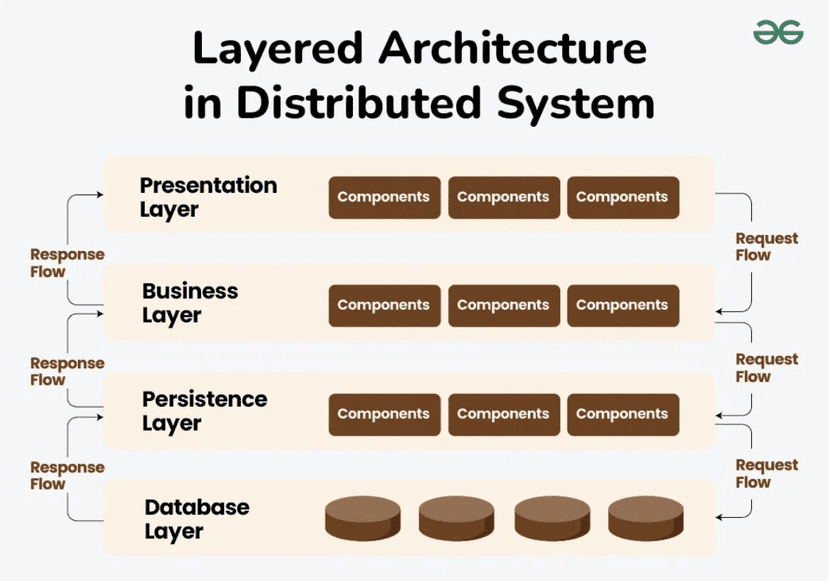
As the number of agents increases, the boundaries of authority become less clear. Two agents operate within their perceived capabilities, but their decisions interfere at the system level. Each action is locally rational. The cumulative effect is not so. Over time, the system diverges from its original intent without any explicitly expressed error.
This is why coordination failures are often misdiagnosed as performance issues. Teams try to optimize throughput, reduce latency, or improve communication among agents. These changes make the system faster, but do not address the root cause. Coordination is not a messaging problem. It is a structural problem.
The main issue lies in the lack of clearly defined boundaries of identity. When agents do not have clearly defined identities, they implicitly inherit permissions from the environment. The emergence of overlapping authorities occurs naturally. Accountability becomes difficult to track. Governance responds after conflicts arise rather than preventing them structurally.
In complex systems, coordination depends on constraints. Agents must know not only what they can do but also where their influence ends. Without this, collaboration turns into interference. The system does not collapse immediately; it adapts to increasing divergence.
This is where Kite positions identity as infrastructure rather than metadata. Identity defines the framework before execution. It limits where agents can act, which resources they can obtain, and when they must retreat to governance rules. Coordination becomes something that can be enforced rather than something that occurs spontaneously.
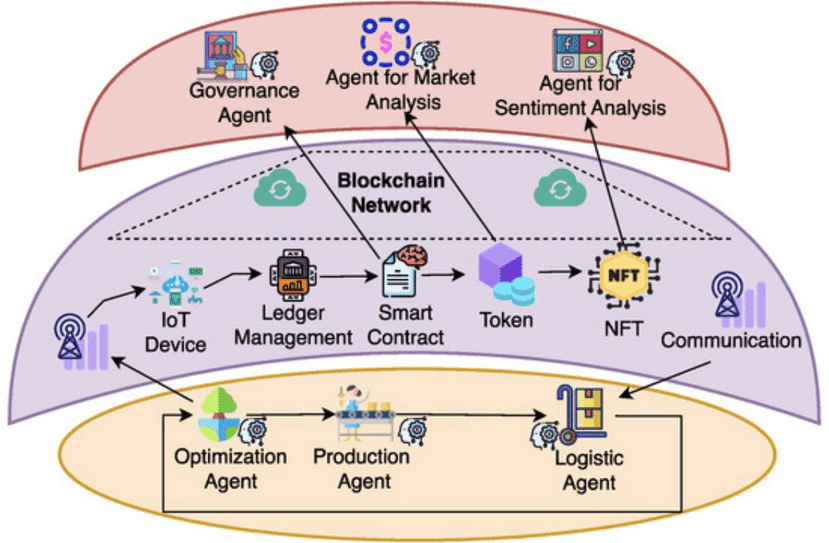
Systems that scale successfully do not rely on agents behaving well. They rely on agents that have structural constraints. Coordination does not break down because agents are autonomous. It breaks down because autonomy remains undefined.
@KITE AI $KITE #KITE

